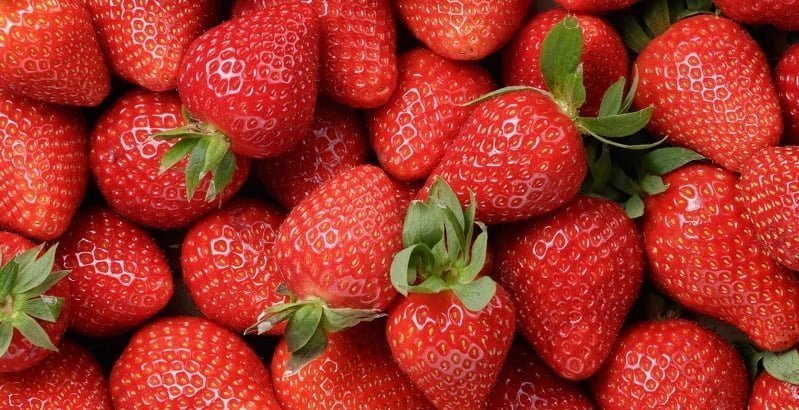
Strawberries and diabetes can fit together in a balanced eating plan. Most people with diabetes do not need to avoid strawberries, but portions, added sugars, and the rest of the meal matter. Strawberries are a whole fruit with fiber and a generally lower glycemic impact than many sweet foods. Still, blood sugar responses vary by person, medication plan, activity, and meal timing.
A better approach is to treat strawberries as a carbohydrate-containing food. Measure the portion, choose unsweetened forms when possible, and watch your usual glucose pattern. That gives you more useful information than labeling fruit as simply good or bad.
Key Takeaways
- Strawberries can fit into many diabetes eating plans when portions are considered.
- Fresh and unsweetened frozen strawberries are usually easier to portion than dried fruit.
- Total carbohydrate matters more than sweetness alone.
- Pairing strawberries with protein, fat, or higher-fiber foods may reduce rapid glucose swings.
- Ask a clinician or registered dietitian if fruit choices cause repeated highs or lows.
Strawberries and Diabetes: Glycemic Facts That Matter
Strawberries are usually considered a lower-glycemic fruit, but glycemic index is only one part of the picture. Glycemic index estimates how quickly a carbohydrate food may raise blood glucose compared with a reference food. Glycemic load adds portion size into that estimate, which often makes it more practical for meals.
Why this matters: a small bowl of strawberries and a large sweetened smoothie are not the same glucose challenge. The fruit form, serving size, ripeness, added sugar, and meal pairing all change the impact. If you are comparing fruit options, a broader look at Low GI Fruits can help explain why berries often appear on lower-glycemic lists.
Fiber also matters. Whole strawberries contain fiber, which slows digestion compared with juice or strained fruit drinks. They also provide vitamin C and water, making them a lighter sweet option than many desserts. That does not make them a treatment for diabetes, and no fruit can “fight” diabetes by itself.
For a deeper explanation of how glycemic index fits into glucose management, see Glycemic Index in Diabetes. Use glycemic index as a guide, not a rulebook. Your meter, continuous glucose monitor, and care plan give the more personal information.
How Many Strawberries Fit Into a Meal or Snack?
There is no single strawberry limit that works for everyone with diabetes. A reasonable portion depends on your carbohydrate target, medication plan, appetite, activity, and what else is on the plate. Many diabetes meal plans use carbohydrate servings to organize meals, but the exact target should come from your care team.
As a general nutrition reference, one cup of sliced fresh strawberries is often less than one standard carbohydrate serving. Exact values vary by berry size and how the portion is measured. Dried strawberries, sweetened strawberries, and strawberry desserts can contain much more carbohydrate in a smaller amount.
If you count carbohydrates, use the nutrition label for packaged foods or a reliable food database for fresh foods. If you use mealtime insulin based on carbohydrate intake, follow the plan given by your prescriber or diabetes educator. Do not change insulin, sulfonylurea, or other diabetes medication doses because of fruit choices without professional guidance.
A carb-serving calculator can help you estimate how a strawberry portion fits into a meal based on total carbohydrate. It is a math aid, not personalized nutrition advice.
Carb Serving Calculator
Convert total carbohydrate grams into carb choices for meal planning and diabetes education.
These calculations are for education only and do not replace clinical advice, diagnosis, or treatment. Always confirm medical decisions with a qualified healthcare professional.
Quick tip: Measure strawberries in a bowl before eating, rather than grazing from a container.
Fresh, Frozen, Dried, and Cream: Why Form Changes the Math
Fresh strawberries are the simplest option to assess because they have no ingredient list. You can rinse them, remove the tops, and measure a portion before adding them to meals. If you add sugar, syrup, sweetened yogurt, granola, or dessert toppings, count those carbohydrates too.
Unsweetened frozen strawberries can also fit well. Freezing does not make berries unsuitable for diabetes. The key is the label. Choose packages with strawberries as the only ingredient, or check carefully for added sugar, syrup, sweetened juice, or dessert-style mixes.
Dried strawberries require more caution. Drying removes water, so the carbohydrate becomes more concentrated by volume. A small handful may represent more fruit than it appears. Some dried products also contain added sugar, sweetened coatings, or flavoring blends. For many people, dried fruit is easier to overeat than fresh fruit.
Strawberries and cream can be simple or sugar-heavy. Plain cream or plain Greek yogurt changes the meal differently than sweetened whipped topping or ice cream. Fat and protein may slow digestion, but they do not erase carbohydrate. They can also add calories and saturated fat, which may matter for heart health goals.
Eating strawberries at night is not automatically a problem. The bigger issue is whether the snack fits your evening pattern. If bedtime snacks lead to repeated morning highs, or if medications put you at risk for overnight lows, review the pattern with your care team.
How Strawberries Compare With Other Fruits
The phrase strawberries and diabetes should not distract from the larger fruit question. People often ask for the best or worst fruits for diabetes, but rigid lists can mislead. Whole fruit differs from fruit juice. A measured portion differs from a large bowl. Unsweetened fruit differs from syrup-packed fruit.
For a broader comparison, Best Fruits for Diabetics reviews common fruit choices, while Choosing Fruits With Diabetes focuses on practical selection. The goal is not to find a miracle fruit. The goal is to choose whole, portioned foods that match your glucose targets and preferences.
| Fruit Pattern | Why It Matters | Practical Check |
|---|---|---|
| Whole berries | Often lower in sugar density and easier to portion. | Measure fresh or unsweetened frozen servings. |
| Apples, pears, and citrus | Whole forms provide fiber and slower eating time. | Choose whole fruit more often than juice. |
| Bananas, grapes, and mango | Common portions may contain more carbohydrate. | Use smaller measured portions if needed. |
| Dried fruit | Carbohydrate is concentrated after water removal. | Read labels and keep portions small. |
| Fruit juice or syrup-packed fruit | Liquid or added sugars may raise glucose faster. | Check added sugars and serving size. |
Blueberries and strawberries can both be reasonable choices, especially when eaten whole and unsweetened. If you are comparing berries, portion size still matters. A larger serving of any fruit can add more carbohydrate than expected.
If sugar labels feel confusing, Diabetes and Sugar explains added sugar, natural sugar, and why total carbohydrate often matters most for blood glucose.
Practical Ways to Eat Strawberries With Diabetes
Strawberries usually work best when they are part of a planned meal or snack. Pairing them with plain yogurt, cottage cheese, nuts, seeds, or a higher-fiber grain may make the snack more filling. It may also reduce the chance of eating a much larger portion because the fruit is the only item on the plate.
Simple combinations often work better than complicated “diabetes-friendly” desserts. Try sliced strawberries over plain Greek yogurt, mixed into unsweetened oatmeal, added to a salad, or paired with a small handful of nuts. If you use sweeteners, syrups, flavored yogurts, or packaged toppings, check the label.
Smoothies deserve extra care. Blending makes fruit easy to drink quickly, and many recipes combine several fruit servings at once. Juice, sweetened milk alternatives, honey, and flavored protein powders can add more carbohydrate than expected. If you enjoy smoothies, measure ingredients before blending and compare your glucose response with your usual target range.
Example: one person may see a steady pattern after strawberries with yogurt at breakfast, but a sharper rise after a large strawberry smoothie. That does not mean strawberries are the problem. It may mean the form, portion, or added ingredients changed the meal.
For more snack ideas that balance convenience and glucose awareness, see Healthy Snacks for Diabetics. Use those ideas as starting points, then adjust with your care team if you notice repeated highs or lows.
When to Ask for Individual Nutrition Guidance
Fruit advice should be personalized when blood sugar patterns are unstable. Ask your clinician or registered dietitian for help if strawberries, berries, or other fruits seem linked with repeated readings outside your target range. The answer may involve portion changes, meal timing, medication review, or a different way to count carbohydrates.
Professional guidance is especially important if you use insulin or medicines that can cause hypoglycemia, which means low blood glucose. It is also important during pregnancy, kidney disease, gastroparesis (slow stomach emptying), eating disorder recovery, or major appetite changes. These situations can change how fruit fits into the day.
If you monitor at home, track the meal, portion, and reading pattern rather than judging one number alone. A record helps your care team see whether the issue is the fruit, the serving size, the full meal, or another factor. For context on glucose readings, Blood Sugar Range Chart explains common terms and why targets differ.
Seek urgent medical help for severe hypoglycemia symptoms, confusion, fainting, chest pain, trouble breathing, or signs of diabetic ketoacidosis such as vomiting, deep breathing, fruity-smelling breath, or severe weakness. Food choices are only one part of safety when symptoms are serious.
Putting Strawberries Into a Balanced Diabetes Eating Pattern
A practical view of strawberries and diabetes is flexible, not restrictive. Strawberries can be a sweet, nutrient-containing fruit choice when they are whole, measured, and unsweetened. They become harder to assess when they are dried, blended into large drinks, covered in sweet toppings, or eaten without attention to the full meal.
The most useful next step is pattern-based. Choose a portion, pair it with a balanced food, and compare your glucose response with your personal targets. If the result is not consistent, bring those details to a clinician or dietitian rather than removing whole food groups without a plan.
You can browse more educational diabetes topics through the Diabetes Category. Use related content as background information, not as a replacement for individualized care.
Authoritative Sources
- For official fruit-choice guidance, see the American Diabetes Association fruit page.
- For detailed nutrient data by food form, review the USDA FoodData Central database.
- For glycemic index reference values, consult the University of Sydney GI database.
For most people, strawberries and diabetes are compatible when the serving is measured and the full meal is considered. Fresh or unsweetened frozen berries are usually easier to fit than sweetened, dried, or dessert-style forms.
This content is for informational purposes only and is not a substitute for professional medical advice.