Key Takeaways
- Convenience vs. flexibility: pens simplify everyday use; syringes allow more mixing options.
- Dose accuracy depends on training, device fit, and needle length.
- Needle length and gauge affect comfort, leakage, and absorption.
- Priming prevents underdosing; storage and handling still matter.
Choosing between insulin pen vs syringe affects routine, accuracy, and cost. Understanding real-world trade-offs helps you match the device to your dosing needs and daily habits.
Insulin Pen vs Syringe: Core Differences
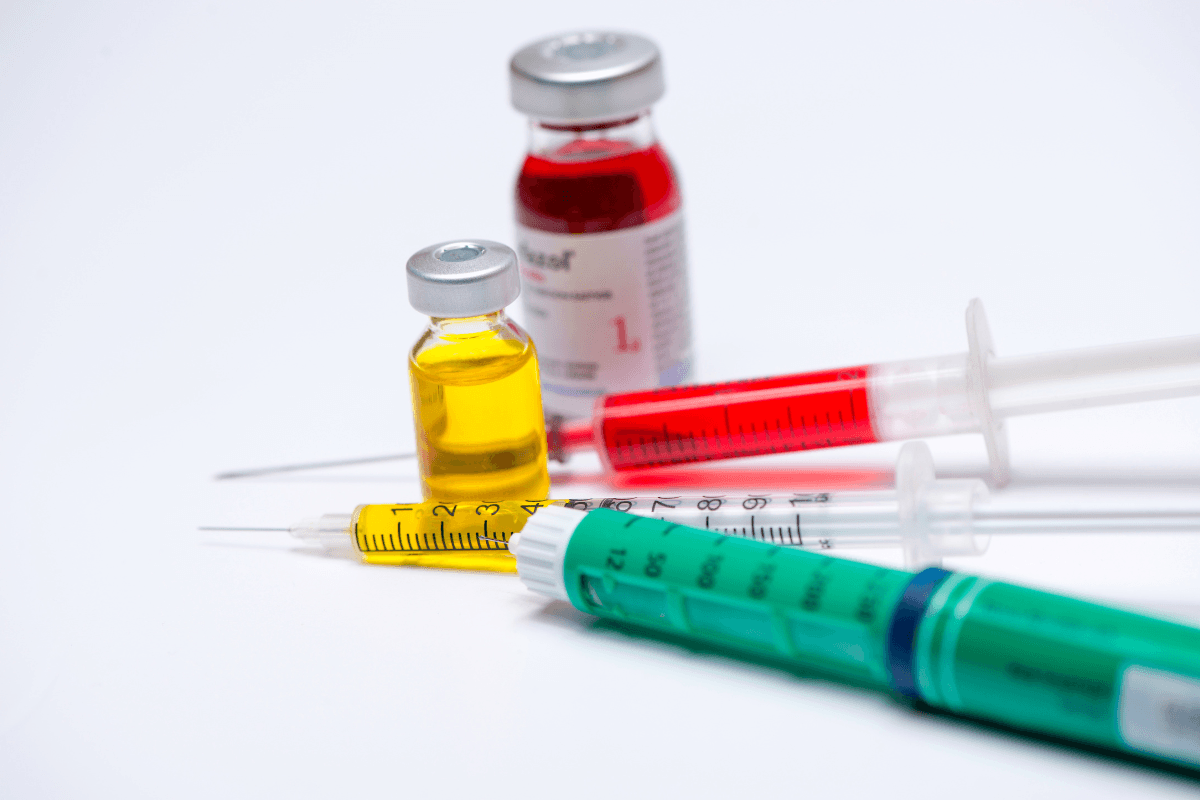
Pens package insulin in a cartridge and use a dial to set doses. They can reduce steps, simplify travel, and help with consistency. Syringes draw insulin from a vial and allow flexible mixing, which some regimens still require. Both deliver subcutaneous injections (under-the-skin), but they differ in handling and error risks.
People often prefer pens for ease and discretion at work or school. Syringes may fit those needing custom dose increments or specific premix ratios. Device choice should consider hand strength, vision, and the ability to follow steps. For a broader look at device categories, see Diabetes Devices for how pens, pumps, and meters interact in daily care.
When Pens Make Sense, When Syringes Do
Pens suit most basal-bolus (long-acting + rapid-acting) regimens and people seeking fewer steps. Many find dialing a dose and clicking the plunger quicker and easier. Syringes can be better when using vials for animals, mixing insulins that are not available in cartridges, or when exact half-unit adjustments require a specific syringe scale.
The difference between insulin syringe and insulin pen becomes clearer with specific scenarios. For example, arthritis or tremor may make pen operation easier, while very small pediatric doses can be more precise with certain syringes. Vial protection also matters for syringe users; see Insulin Vials Accessories for storage safeguards that reduce breakage risk.
Types of Pens and Needles
Modern pens include prefilled designs and reusable bodies with replaceable cartridges. A disposable insulin pen is simple: use it until empty or expired, then discard per local sharps rules. Reusable bodies can accept new cartridges, reducing plastic waste, and may support niche formulations. Both types work with single-use pen needles of varying lengths and gauges.
Needle selection influences comfort and absorption. Short 4–6 mm needles often reach subcutaneous tissue reliably for many adults, with less risk of intramuscular injection. Thinner gauges (e.g., 32G) may feel more comfortable, though technique still matters. For a step-by-step look at needle choice and technique, see the Pen Needles Guide, and compare size details on BD Nano Pro Needles for specific dimensions and compatibility. Evidence reviews summarize best practices on length and gauge; see this pen needle length review for clinical context.
Dose Accuracy, Units, and U‑100 Conversions
Accuracy depends on dialing the correct dose, steady plunger pressure, and a steady hand. Syringes rely on precise draw-up to avoid air bubbles and meniscus errors. Always match insulin concentration to the device scale to prevent misdosing. For structured conversations about dose changes with your clinician, the Insulin Dosage Chart explains common frameworks and safety checks.
Most North American products use U‑100 insulin, meaning 100 units per milliliter. A u 100 insulin syringe 1ml holds up to 100 units, with markings designed for that concentration. Pens that deliver U‑100 similarly dose in units rather than milliliters. For background on labeling and safety, the FDA insulin basics page outlines standard concentrations and usage cautions.
How to Use a Pen Safely
Set the dose, attach a new needle, prime, inject at 90 degrees (or as instructed), and hold the plunger fully depressed for 10 seconds before withdrawing. Priming clears air and ensures a full dose. If you skip priming, what happens if you don t prime insulin pen is underdosing, which may show as unexplained hyperglycemia. Rotate sites and avoid lipohypertrophy (fatty lumps) to keep absorption predictable.
Good technique reduces discomfort and waste. Keep spare needles and alcohol swabs in your kit, and dispose of sharps safely. For best-practice steps, ADA’s insulin injection guidance covers site rotation, angles, and hygiene. Device-specific instructions matter, too—see the workflow in Tresiba FlexTouch Pen for timing and design features that affect daily use.
Practical Costs, Access, and Brands
Costs vary by formulation, region, insurance coverage, and device ecosystem. Some pens use proprietary cartridges, while vials remain broadly interchangeable with compatible syringes. Insurers may prefer specific brands, and copays can differ between long-acting and rapid-acting options. Review plan formularies before switching devices.
People often compare insulin pen vs syringe cost when budgeting supplies, including needles and sharps containers. Cartridge-based basal options may have different coverage than vials. For basal cartridge specifics, see Lantus Insulin Cartridge for how a long-acting option is packaged and stored. Formulation guidance, including mixed products, appears in Premixed Insulin Guide to clarify when mixes influence device choice.
Special Populations and Conditions
Some groups benefit from particular devices. Children and very lean adults may need shorter needles and careful site rotation to avoid intramuscular injections. Older adults with visual impairment might prefer pens with audible clicks and clear dose windows. People with neuropathy or hand weakness may need devices with larger grips and minimal force requirements.
Clinicians often recommend insulin pens for type 2 diabetes when stepwise intensification adds mealtime doses. Type 1 regimens can also benefit from rapid titration and discrete dosing. Pen features differ across brands and dose increments—review device specifics with your care team. Basal pen overviews like Lantus Insulin Pen explain how long-acting pens support stable background insulin.
Compare With Pumps and Cartridges
Pumps deliver continuous subcutaneous insulin via a cannula and can automate basal rates and bolus calculators. Many people weigh insulin pen vs pump based on lifestyle, skin tolerance for infusion sets, and the need for advanced features. Pens remain simpler and cheaper to start, while pumps may reduce variability for some users with frequent hypoglycemia or dawn phenomenon.
Cartridge choices also shape decisions. A refillable insulin pen cartridge can reduce waste and packaging, while prefilled pens maximize convenience. For cartridge fundamentals, see Insulin Cartridges Types to understand capacities and handling. Long-acting concentration differences also affect doses; review details in Toujeo Dosage Guide for how higher-strength basal formulations change unit settings and technique.
Recap
Pens simplify dosing and travel; syringes keep mixing flexibility and broad compatibility. Your best choice depends on manual dexterity, dose sizes, formulation needs, and coverage. Align the device with your routine, and practice safe technique to protect accuracy and comfort.
Note: Disposal rules differ by region; ask your pharmacist about local sharps options.
This content is for informational purposes only and is not a substitute for professional medical advice.