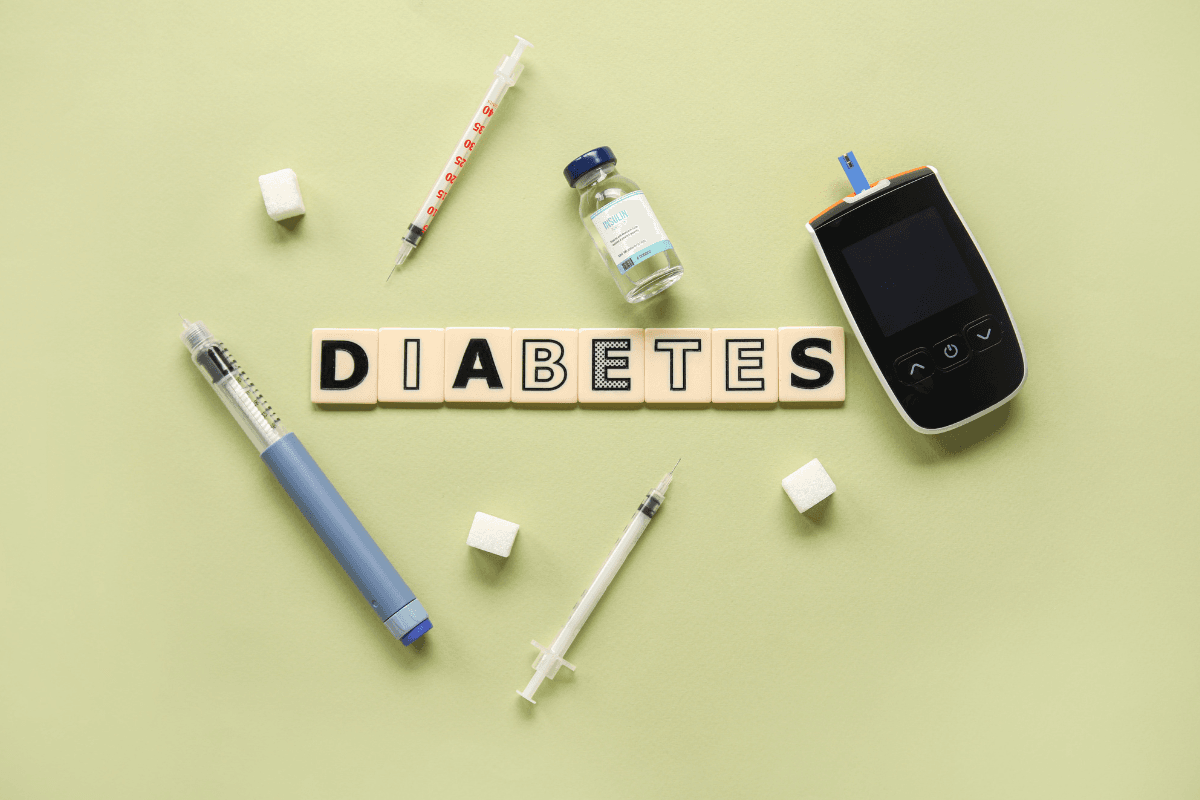
Understanding common diabetes medications helps you discuss options with your clinician. This overview explains how major drug classes work, where they fit, and how they differ. You will also find a concise chart and practical safety pointers.
Key Takeaways
- Core classes differ by mechanism, benefits, and risks.
- Choice depends on A1C goals, comorbidities, and tolerance.
- SGLT2 inhibitors and GLP-1 receptor agonists may aid weight and organs.
- Insulin remains essential for type 1 and many with type 2.
Common Diabetes Medications: Classes and Mechanisms
Diabetes therapies lower blood glucose through several mechanisms. Some reduce hepatic glucose output, others increase insulin secretion, improve insulin sensitivity, slow carbohydrate absorption, or increase urinary glucose excretion. Selection varies by diabetes type, A1C level, kidney function, cardiovascular status, and patient preference. The American Diabetes Association outlines a stepwise, risk-based approach in the current standards; for evidence details, see the ADA Standards of Care guidance document.
Type 1 diabetes requires insulin replacement. Type 2 diabetes may start with metformin, then add agents based on risk profiles. GLP-1 receptor agonists (incretin mimetics) and SGLT2 inhibitors often provide organ and weight benefits. Thiazolidinediones improve insulin sensitivity but may cause fluid retention. Sulfonylureas and meglitinides stimulate insulin release and can cause hypoglycemia. DPP-4 inhibitors are weight-neutral and generally well tolerated.
Oral Agents: Metformin and Beyond
Metformin (a biguanide) reduces hepatic glucose production and improves sensitivity. It is typically first-line if tolerated, given its long safety record and neutral weight effect. When one medicine is insufficient, clinicians consider add-ons from other oral classes. A practical diabetes medications list usually spans biguanides, TZDs, DPP-4 inhibitors, SGLT2 inhibitors, alpha-glucosidase inhibitors, and secretagogues.
DPP-4 inhibitors (e.g., sitagliptin) augment endogenous incretins, offering modest A1C lowering with low hypoglycemia risk. SGLT2 inhibitors (e.g., empagliflozin) increase urinary glucose excretion, and they can reduce heart failure hospitalizations and slow kidney disease progression in appropriate patients. For context on weight and metabolic trends with incretin therapies, see this overview of GLP-1 Weight Loss Drugs, which explains how the class affects appetite and weight.
Injectables: Insulins, GLP-1s, and Combinations
Insulin is required for type 1 diabetes and often used in type 2 when oral agents are insufficient. Basal insulins cover fasting needs, while bolus insulins target meals. GLP-1 receptor agonists are injectable peptides that enhance glucose-dependent insulin release and slow gastric emptying. Fixed-ratio combinations pair basal insulin with a GLP-1 agent for complementary effects. For patients using pen supplies, this explainer on Insulin Cartridges reviews formats and handling considerations.
Some long-acting insulins combine with GLP-1 agents to simplify regimens. For example, understanding potential adverse effects can guide counseling; for a focused review of a fixed-ratio product, see Xultophy Side Effects for what to monitor in practice. To orient therapy options quickly, the following diabetes medications chart summarizes key classes and examples.
| Class | How It Works | Examples (Generic/Brand) |
|---|---|---|
| Biguanide | Reduces hepatic glucose output | Metformin |
| SGLT2 inhibitor | Increases urinary glucose excretion | Empagliflozin, Dapagliflozin |
| GLP-1 receptor agonist | Enhances insulin, slows gastric emptying | Semaglutide, Dulaglutide |
| DPP-4 inhibitor | Prolongs endogenous incretins | Sitagliptin, Linagliptin |
| TZD | Improves insulin sensitivity | Pioglitazone |
| Sulfonylurea | Stimulates insulin secretion | Glipizide, Glimepiride |
| Meglitinide | Short-acting insulin secretagogue | Repaglinide |
| Alpha-glucosidase inhibitor | Delays carbohydrate absorption | Acarbose |
| Insulin (basal/bolus) | Replaces insulin | Glargine, Degludec / Lispro, Aspart |
| Amylin analog | Slows gastric emptying | Pramlintide |
Basal vs. Bolus Insulin in Practice
Basal insulin (e.g., glargine, degludec) provides steady coverage for fasting and between-meal periods, limiting hepatic glucose output. Bolus, or prandial, insulin (e.g., aspart, lispro) targets meal-related spikes and is dosed around carbohydrate intake and blood glucose readings. Many type 2 regimens begin with basal insulin, then add bolus doses if A1C remains above goal. Some patients transition to premixed insulin to reduce injections, balancing convenience with mealtime flexibility. Injection technique, timing, site rotation, and hypoglycemia preparedness are essential parts of education.
Choosing the Right Therapy: Risks, Goals, and Combinations
There is no single best medicine for diabetes type 2 because needs vary. Clinicians weigh A1C targets, risk of hypoglycemia, weight goals, cost, and patient preferences. Cardiovascular disease, kidney disease, and heart failure often push choices toward SGLT2 inhibitors or GLP-1 receptor agonists. For broader reading on related topics and to compare options, browse the Diabetes article archive for stepwise guides and safety updates.
If additional structure is needed, clinicians may combine complementary classes, such as metformin plus an SGLT2 inhibitor, or a GLP-1 receptor agonist with basal insulin. Shared decision-making helps match benefits and trade-offs. Patients concerned about supplies can also review Diabetes Products to understand device formats and injection aids from a practical standpoint.
New and Emerging Options
Research continues to deliver next-generation incretin therapies and novel mechanisms. A prominent development is a new pill for type 2 diabetes under investigation: oral GLP-1 receptor agonists. For study status and efficacy signals, see the evolving data in Orforglipron Clinical Trials, which summarizes phase results and tolerability trends.
Early pipelines also explore dual or triple agonists and alternative targets beyond the incretin axis. These approaches aim to improve glycemic control while supporting weight and cardiometabolic outcomes. As with all investigational treatments, decisions await regulatory review and head-to-head comparisons. You can also find comparative context in outcome-focused reviews that discuss class differences and trial endpoints.
Brands and Names: Navigating Labels
Drug names can be confusing because a single medicine may have a generic name and several brand names. Clinicians often prescribe by generic name to avoid confusion when pharmacies substitute equivalent brands. Understanding diabetes tablets names helps patients recognize what they are taking and avoid duplications. Always cross-check active ingredients, not just brand labels, especially when switching products.
Combination products list multiple actives in one tablet or pen. For example, metformin may pair with an SGLT2 inhibitor or a DPP-4 inhibitor, which simplifies regimens but requires careful monitoring for side effects of each component. Injectable combinations pair basal insulin with a GLP-1 agent, reducing daily shots while covering fasting and meal-time needs. Keep a written medication list and update it after clinic visits or pharmacy changes.
Safety, Interactions, and Monitoring
All glucose-lowering therapies carry risks. Sulfonylureas and insulin can cause hypoglycemia; glucagon rescue and education may reduce harm. SGLT2 inhibitors increase urinary glucose and can raise genitourinary infection risk; the U.S. Food and Drug Administration issued an FDA safety communication on ketoacidosis risks and serious infections. GLP-1 receptor agonists commonly cause gastrointestinal effects at initiation and dose escalation, which often improve over time.
Kidney function (eGFR, or kidney filtration rate) affects drug choice and dosing. For example, certain SGLT2 inhibitors retain cardiovascular and renal benefits at lower eGFR thresholds, while metformin may require adjustment or avoidance in advanced impairment. Reliable references, like the NIDDK overview of medicines for type 2 diabetes, provide broad summaries; review the NIDDK guidance for class-by-class safety considerations. When creating a list of diabetes medications by class, include monitoring labs, contraindications, and interaction checks in your plan.
Recap
Glucose-lowering therapy is a toolbox, not a single path. Classes differ in mechanism, benefits, and trade-offs, so choices should reflect goals, comorbidities, and tolerance. Use the chart to orient options, then discuss personalized steps with your care team. For continuing updates, tap into disease-specific articles that track trials, labels, and practice implications.
Tip: Keep an updated medication list and note why each agent was chosen. This improves clinic visits and reduces unintentional duplication.
This content is for informational purposes only and is not a substitute for professional medical advice.