
Please note: a valid prescription is required for all prescription medication.
Promotion
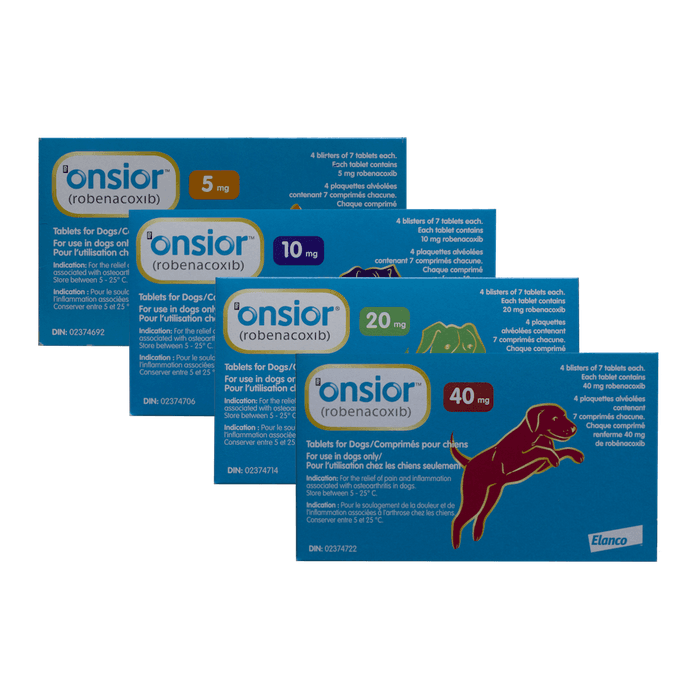
Onsior Dog
Onsior® Tablets for Canine Osteoarthritis
Sitewide Super Sale - Get 15% off when you buy 3 or more of the same product using the code LESS15 at checkout.
Applies to all products originating from Canada. Maximum quantity limited to a 90-day supply per order.
Price:
Price range: $53.99 through $89.99
You save


Onsior is a veterinary anti-inflammatory medicine used to relieve joint pain in dogs. It targets inflammation associated with osteoarthritis and helps improve mobility. You can order with US shipping from Canada, and compare options even if you are without insurance.
What Onsior Is and How It Works
Onsior® contains robenacoxib, a nonsteroidal anti-inflammatory drug (NSAID) that preferentially inhibits cyclooxygenase-2 (COX-2). By reducing prostaglandin production, it can decrease pain, swelling, and stiffness in affected joints. This medicine is used under veterinary supervision for canine osteoarthritis.
CanadianInsulin.com is a prescription referral platform. We verify prescriptions with your prescriber when required, and licensed Canadian pharmacies dispense your order.
This treatment is part of the COX-2 selective class, which aims to maintain anti-inflammatory effect while limiting effects on protective gastric pathways. Your veterinarian may recommend it as part of a broader plan that can include weight control, controlled exercise, and joint-support supplements. For background on osteoarthritis, see the overview in Canine Osteoarthritis and this guide on joint disease in pets, Understanding Arthritis.
Who It’s For
This medicine is for dogs diagnosed with osteoarthritis where an NSAID is appropriate. It may be considered for adult dogs needing ongoing management of stiffness, limping, or reduced activity tied to degenerative joint disease. The phrase Onsior Dog refers to the canine-labeled product.
Dogs with active gastrointestinal ulcers, significant kidney or liver disease, bleeding disorders, or known NSAID hypersensitivity should generally avoid this class. Puppies, pregnant, or lactating dogs may not be candidates; your veterinarian will advise based on the official label and clinical status.
Dosage and Usage
The treatment is typically given once daily as directed by your veterinarian. Give the tablet at the same time each day and use the lowest effective dose for the shortest duration consistent with goals of care. Your veterinarian determines the onsior dosage dog needs based on weight and clinical response.
Offer fresh water at all times. If stomach upset occurs, ask your veterinarian whether giving with a small meal is acceptable for your dog. Do not combine this medicine with other NSAIDs or corticosteroids unless your veterinarian specifically instructs you to do so.
Strengths and Forms
These are film-coated oral tablets for dogs. Commonly published strengths include 5 mg, 10 mg, 20 mg, and 40 mg presentations; availability can vary by pharmacy. Your veterinarian may prescribe a specific size for accurate dosing, such as onsior 5mg for dogs when appropriate by weight. Explore other pet therapies in our catalog of Pet Medications.
Missed Dose and Timing
If you miss a dose, give it when remembered unless it is close to the next scheduled dose. If it is near the next dose, skip the missed one and resume the regular schedule. Do not double up doses. Try to establish a routine, such as dosing with a consistent daily activity, to support adherence.
Storage and Travel Basics
Store tablets in the original container, tightly closed, and keep them out of reach of children and pets. Protect from moisture and excess heat. When traveling, keep the labeled container with you and carry a copy of your dog’s prescription or clinic receipt if available.
Do not store tablets in a hot car or humid bathroom. Use a small travel pill case only if you can keep the label information handy. If you cross borders with the medication, keep veterinary documentation accessible and follow the instructions on the label.
Benefits
This NSAID can reduce joint pain, stiffness, and swelling, supporting improved mobility over time. Once-daily dosing may simplify routines. Many dogs accept the tablet form, which can aid consistent use. Owners often find the regimen easier to maintain when pain behaviors lessen.
For some dogs, therapy within this class can help them resume gentle activity and physical therapy plans. Discuss any changes in exercise with your veterinary team, who can tailor a program that complements medication benefits.
Side Effects and Safety
Common side effects may include:
- Vomiting or soft stools
- Decreased appetite
- Lethargy or reduced activity
- Increased thirst
Serious but less common risks can include gastrointestinal ulceration or bleeding, kidney issues, and liver dysfunction. Signs such as black stools, persistent vomiting, yellowing of gums, or marked lethargy require prompt veterinary guidance. Dogs with dehydration or preexisting organ disease may need closer monitoring before and during treatment.
Drug Interactions and Cautions
Avoid combining with other NSAIDs or corticosteroids unless specifically directed. Use caution with diuretics, ACE inhibitors, certain antibiotics, or anticoagulants, as interactions may affect kidney blood flow or bleeding risk. Alcohol-containing products and off-label human pain medicines are not appropriate for dogs.
Tell your veterinarian about all supplements and diets, including fish oil, glucosamine, and herbal products. Periodic lab work may be advised for dogs on long-term NSAID therapy or those with concurrent conditions.
What to Expect Over Time
Dogs may show gradual changes in comfort and mobility as inflammation is controlled. You may notice improved willingness to rise, climb, or walk moderate distances. For chronic joint disease, the goal is steady function rather than cure, alongside weight control and tailored activity.
Discuss realistic goals for onsior for arthritis in dogs with your veterinarian. Follow-up visits can help adjust the plan, including non-drug strategies. If your dog’s signs worsen or new signs develop, contact the clinic promptly. Some dogs may be switched to a different NSAID or adjunct medication when appropriate; one option your veterinarian may consider is Deramaxx.
Compare With Alternatives
Veterinarians may also consider other approved NSAIDs. Carprofen has a long history of use; see Rimadyl for a commonly used option. Firocoxib is another COX-2 selective NSAID that may be suited to some dogs; learn about Previcox as a potential alternative.
Pricing and Access
You can compare Canadian pricing and request US delivery from Canada through our platform. Review current options, then add your prescription details at checkout. If you prefer to buy onsior tablets for dogs through a veterinarian, you can still compare prices for planning purposes.
We show available package sizes when in stock so you can align fills with your follow-up schedule. You can also review basic purchasing guidance in our article library, and discuss affordability options with your clinic if you are without insurance.
Availability and Substitutions
Supply can vary by strength and package size. If a specific strength is unavailable, your veterinarian may provide a therapeutic alternative or a different NSAID in the same class. In some cases, meloxicam is considered; see Metacam for a commonly used option.
Patient Suitability and Cost-Saving Tips
This medicine may suit adult dogs with osteoarthritis who can safely take an NSAID under veterinary oversight. Dogs with a history of GI ulcers, bleeding tendencies, severe kidney or liver disease, or intolerance to NSAIDs might need a different approach. Your veterinarian will decide based on examination and lab results.
To save, ask about multi-month fills when appropriate, and set refill reminders to avoid gaps in therapy. Combine orders for eligible medications to reduce per-order fees. Keep follow-up appointments so the care plan stays effective and safe.
Questions to Ask Your Clinician
- Is this NSAID appropriate for my dog’s diagnosis and history?
- What signs should prompt me to stop and call the clinic?
- Can I give it with food, and at what time each day?
- How will we monitor kidney and liver health over time?
- What non-drug strategies support joint comfort and mobility?
- If this NSAID is not tolerated, what alternatives are available?
Authoritative Sources
For detailed manufacturer information about robenacoxib in companion animals, review the product page on the Elanco site: Elanco Onsior veterinary information.
The FDA provides public information on approved veterinary NSAIDs and reference documents for robenacoxib: FDA Animal Drugs database.
Health Canada’s Drug Product Database lists veterinary robenacoxib products marketed in Canada: Health Canada DPD search.
Order from CanadianInsulin with prompt, express, temperature-controlled handling when required. Medical disclaimer: This content is for informational purposes only and is not a substitute for professional medical advice.
Express Shipping - from $25.00
Shipping with this method takes 3-5 days
Prices:
- Dry-Packed Products $25.00
- Cold-Packed Products $35.00
Standard Shipping - $15.00
Shipping with this method takes 5-10 days
Prices:
- Dry-Packed Products $15.00
- Not available for Cold-Packed products
What is Onsior used for in dogs?
It is a veterinary NSAID containing robenacoxib, used to control pain and inflammation associated with osteoarthritis. Your veterinarian decides if it fits your dog’s health status.
How is Onsior given to dogs?
Tablets are given by mouth, typically once daily as directed by your veterinarian. Give the lowest effective dose for the shortest duration consistent with treatment goals.
Can I give Onsior with food?
Many dogs tolerate NSAIDs better with a small meal, but follow your veterinarian’s advice and the product label. If vomiting or diarrhea occurs, contact the clinic for guidance.
What are common side effects of Onsior?
Common effects can include vomiting, soft stools, decreased appetite, and lethargy. Rare but serious risks include GI bleeding, kidney issues, or liver problems; seek veterinary help if severe signs appear.
Can I use Onsior with other pain medicines?
Do not combine with other NSAIDs or corticosteroids unless your veterinarian instructs you to do so. Tell your veterinarian about all medicines and supplements before starting therapy.
How long can my dog stay on Onsior?
Duration depends on your dog’s response and risk factors. Your veterinarian will set the plan and may recommend periodic checks to ensure continued safety and effectiveness.
What if I miss a dose of Onsior?
Give the missed dose when remembered unless it is close to the next dose. If it is near the next dose, skip the missed one and continue with the regular schedule. Do not double doses.
Rewards Program
Earn points on birthdays, product orders, reviews, friend referrals, and more! Enjoy your medication at unparalleled discounts while reaping rewards for every step you take with us.
You can read more about rewards here.
POINT VALUE
How to earn points
- 1Create an account and start earning.
- 2Earn points every time you shop or perform certain actions.
- 3Redeem points for exclusive discounts.
You Might Also Like
Select options
This product has multiple variants. The options may be chosen on the product page
Select options
This product has multiple variants. The options may be chosen on the product page
Select options
This product has multiple variants. The options may be chosen on the product page
Select options
This product has multiple variants. The options may be chosen on the product page
Related Articles
Weight Management
Zepbound storage: Keep It Safe With Clear Temperature Rules
This guide explains Zepbound storage so your medication stays effective. You will learn temperature limits, how long doses can stay unrefrigerated, travel practices, and what to do if a pen…
Weight Management
Zepbound and Fatigue: Practical Tips to Ease Tiredness Safely
Feeling drained after starting tirzepatide can be unsettling. Many users describe a mix of low energy, mild aches, and disrupted sleep early on. If you are navigating Zepbound and fatigue,…
Cardiovascular, Diabetes, Type
Mounjaro Heart Benefits Beyond Weight Loss: Evidence-Based Guide
Patients often ask how tirzepatide might support cardiovascular health beyond weight loss. Understanding Mounjaro heart benefits requires looking at mechanisms, evolving trial data, and safety signals. This guide synthesizes key…
Diabetes, Type 2
Ozempic Rebound: A Practical Guide to Prevent Weight Regain
Many people stop GLP-1 therapy and wonder what comes next. Appetite changes, routine shifts, and metabolism can collide. A clear plan helps you keep progress steady and predictable, not reactive.…