
Please note: a valid prescription is required for all prescription medication.
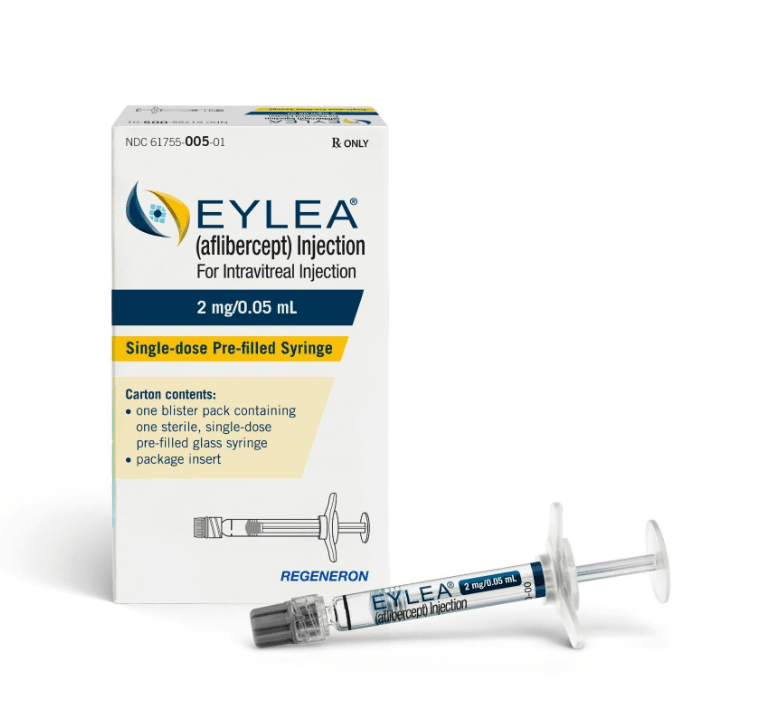
Eylea
Buy Eylea Online


Buy Eylea online with a valid prescription and compare current listed pricing, any available injection presentations, and key safety basics before checkout. If you are checking an Eylea dose on your prescription, match the product name, strength, quantity, and clinician instructions to the selected listing before ordering. You can also review handling needs and US delivery from Canada where available, without losing sight of the medical details that make this eye treatment different from routine injectables.
Eylea is aflibercept injection, an anti-VEGF medicine that blocks a signal involved in abnormal blood-vessel growth and fluid leakage in the retina. It is given as an intravitreal injection, meaning an injection inside the eye, by a trained eye-care professional rather than by the patient at home.
Eylea Dose, Price and Available Options
Start by comparing the current listed price with the exact presentation shown on the product listing. The Eylea price can differ by presentation, quantity, and service path, so check the selected strength, total units, and product name before moving to checkout. A vial, prefilled syringe, or other listed presentation should be matched to the clinic order rather than chosen by appearance or package size alone.
If you are comparing Eylea without insurance, look at the cash-pay amount shown for the selected item and whether your order path asks for any added details. The Eylea cost should be read alongside quantity and presentation, because a listed container is not the same thing as a treatment schedule. Your retinal specialist decides the treatment interval.
| What to compare | Why it matters |
|---|---|
| Current listed price | Reflects the selected product option and quantity shown. |
| Strength and volume | Standard adult Eylea is commonly listed as 2 mg in 0.05 mL. |
| Presentation | Vial and prefilled syringe formats may be listed separately. |
| Quantity or pack count | Total order contents do not set your injection schedule. |
| Cash-pay or coverage status | Your payment route can change what information is needed. |
Quick tip: Keep the clinic order nearby while comparing listings, because retinal injections are not selected by appearance alone.
How to Buy Eylea Online
Choose the listing that matches the prescribed aflibercept product, then confirm the strength, presentation, quantity, and patient details before checkout. A valid prescription is required before Eylea can be supplied. Prescription details may be confirmed with your prescriber when needed, which helps keep the selected product aligned with the treatment plan.
- Match the product name to the clinic order.
- Check the listed strength and volume.
- Confirm vial or syringe details if shown.
- Review quantity before payment.
- Keep prescriber contact details available.
Access can include US shipping from Canada when the selected product and order details support it. Some patients also compare cash-pay options for specialty eye medicines, but no listing should be treated as interchangeable with a different aflibercept strength or product name.
The safest order path is practical and specific: select the correct injection, make sure the order details match the clinic record, and save any handling instructions for the appointment team. Do not change the date, dose, or treated eye based on online product information.
Product Details to Match Before Checkout
Eylea contains aflibercept and is used in the eye. The standard product is different from Eylea HD, which is a higher-dose aflibercept product. If your clinic order mentions an Eylea HD dose, Eylea 8 mg, or a comparison such as Eylea 8 mg vs 2 mg, confirm the exact product name before ordering.
- Brand name: confirm Eylea versus Eylea HD.
- Active ingredient: aflibercept injection.
- Route: intravitreal use by a trained clinician.
- Presentation: match vial or syringe if specified.
- Treated eye: confirm right, left, or both eyes.
- Visit timing: follow the clinic schedule only.
Strength details matter because retinal medicines are measured in small volumes. A 2 mg injection strength, a vial label, and a package quantity each describe different things. None of those details tells you to use more medicine or to shorten the interval between visits.
What This Eye Injection Is Used For
This medicine may be prescribed for retinal conditions where abnormal blood vessels or fluid leakage can affect vision. Approved uses include neovascular, or wet, age-related macular degeneration, diabetic macular edema, diabetic retinopathy, macular edema after retinal vein occlusion, and retinopathy of prematurity in certain patients.
Condition-level details can help you organize questions before a retina visit. Review pages for Wet Age Related Macular Degeneration, Diabetic Macular Edema, Macular Edema Due To Retinal Vein Occlusion, and Diabetic Retinopathy when those topics match your diagnosis.
The diagnosis on the clinic order matters because follow-up testing, treated-eye instructions, and dosing frequency can differ. Laterality, meaning which eye is treated, should be written clearly before the injection visit.
Dosing Information to Review With Your Clinician
The Eylea dose most often discussed for adult retinal conditions is 2 mg given as 0.05 mL of a 40 mg/mL solution. Many schedules start with more frequent injections and then move to a longer interval, but the exact plan depends on the condition, eye findings, and clinician assessment.
| Condition context | Common label-based dosing pattern |
|---|---|
| Wet age-related macular degeneration | Often begins every 4 weeks for initial doses, then may extend. |
| Diabetic macular edema | Often begins every 4 weeks for initial doses, then may extend. |
| Diabetic retinopathy | May follow a schedule based on retinal findings and label guidance. |
| Macular edema after retinal vein occlusion | Commonly given every 4 weeks while directed by the specialist. |
| Retinopathy of prematurity | Pediatric dosing differs and must be directed by a specialist. |
This table is for product matching and discussion, not self-adjustment. Eylea dosing can change after eye imaging, pressure checks, vision testing, or response to prior injections. If the appointment schedule and product listing do not seem to match, ask the clinic to clarify before the order is completed.
Eylea HD dosing schedule questions should be kept separate from standard 2 mg Eylea. High-dose aflibercept has different strength and volume details, so it should not be substituted based on convenience, availability, or listed price.
Storage and Handling for Delivery
Eylea is a biologic eye medicine and is usually stored refrigerated at 2°C to 8°C. It should be protected from light, kept in its original carton when appropriate, and not frozen. Do not shake the product, and do not use it if the container or packaging appears damaged.
Because this injection is administered in a clinical setting, plan ahead for how the product will be transferred to the appointment. Your clinic may have specific instructions for receiving, storing, or bringing the medicine to the visit. Follow those instructions over general online handling notes.
Why it matters: Temperature handling helps protect a sensitive biologic medicine before a clinician-administered injection.
Orders that require temperature control may use cold-chain shipping when appropriate. If a package arrives warm, broken, leaking, or outside the expected handling condition, do not take it to an injection visit as usual without asking the clinic or support team what to do next.
Safety Checks Before Buying
Do not receive this medicine if you have an active eye infection, an infection around the eye, active inflammation inside the eye, or a known serious allergy to aflibercept or any product ingredient. These are important contraindications for intravitreal treatment.
Commonly reported effects can include a bloodshot eye, eye discomfort, floaters, cataract, vitreous detachment, and increased eye pressure. Some symptoms after an injection need urgent medical attention. Contact a clinician promptly for severe eye pain, worsening redness, light sensitivity, sudden vision loss, many new floaters, or a curtain-like change in vision.
- Eye infection risk: watch for pain or worsening redness.
- Retinal detachment risk: report flashes or a curtain effect.
- Eye pressure rise: attend pressure checks as directed.
- Blood clot concerns: discuss stroke or heart attack history.
- Pregnancy questions: ask before treatment if relevant.
Anti-VEGF medicines have a small potential risk of arterial thromboembolic events, such as stroke or heart attack. The risk is not the same for every patient. Share your cardiovascular history, recent procedures, pregnancy plans, breastfeeding status, and current eye medicines with the treating specialist.
Monitoring, Interactions and Clinic Questions
Monitoring is part of treatment with an intravitreal medicine. Your clinic may check vision, retinal imaging, eye pressure, and signs of inflammation or infection. These checks help determine whether the next appointment, product strength, or treatment interval remains appropriate.
There are no routine food restrictions tied to this injection, but your clinician should know about other eye drops, recent eye surgery, blood thinners, and medicines that affect bleeding or healing. Do not stop or change another medicine because of an online product listing.
Useful questions for the clinic include which eye is being treated, whether the prescribed product is standard Eylea or Eylea HD, how the appointment schedule will be confirmed, and who should store the product before the visit. These questions help connect the online order to the real clinic workflow.
Related Eye Care Resources and Sources
Patients comparing retinal treatment listings can browse the Ophthalmology product category for eye-care medicines and supplies. The Ophthalmology Articles section can also help organize non-urgent questions about eye conditions, appointment preparation, and treatment terms.
Authoritative product details should come from official labeling and the treating eye specialist. Official label details are summarized in the Eylea prescribing information, including approved uses, dosing schedules, storage requirements, contraindications, and serious warnings.
This content is for informational purposes only and is not a substitute for professional medical advice.
{acf_product_technical_information}
Express Shipping - from $25.00
Shipping with this method takes 3-5 days
Prices:
- Dry-Packed Products $25.00
- Cold-Packed Products $35.00
Standard Shipping - $15.00
Shipping with this method takes 5-10 days
Prices:
- Dry-Packed Products $15.00
- Not available for Cold-Packed products
What is Eylea used for?
Eylea is an aflibercept eye injection used for certain retinal diseases involving abnormal blood vessels or fluid leakage. Approved uses include wet age-related macular degeneration, diabetic macular edema, diabetic retinopathy, macular edema after retinal vein occlusion, and retinopathy of prematurity in selected patients. The exact reason for treatment should come from the eye specialist, because diagnosis affects the visit schedule and monitoring plan.
How is Eylea given?
Eylea is given by intravitreal injection, which means the medicine is injected into the eye. It is not a self-injected medicine. A retina specialist or trained eye-care professional prepares the eye, gives the injection, and monitors for pressure changes, inflammation, infection, or vision symptoms. The appointment schedule and treated eye should be confirmed with the clinic before each injection visit.
How does Eylea HD differ from standard Eylea?
Standard Eylea and Eylea HD both contain aflibercept, but they are different products with different strength and volume details. Standard adult Eylea is commonly associated with a 2 mg dose, while Eylea HD is associated with an 8 mg dose. They should not be treated as interchangeable based on product name alone. Confirm the exact product written by the eye specialist before treatment.
What side effects should be monitored after an injection?
After an intravitreal injection, monitor for worsening eye pain, increasing redness, light sensitivity, sudden vision loss, many new floaters, flashes of light, or a curtain-like shadow over vision. These symptoms can signal serious problems such as infection, inflammation, retinal detachment, or pressure changes. Mild irritation or a bloodshot eye can occur, but any severe, worsening, or unusual symptom should be reported promptly to the treating clinic.
What should I ask my eye specialist before treatment?
Ask which eye will be treated, whether the product is standard Eylea or Eylea HD, what strength is intended, how often visits are expected, and what symptoms require urgent care. It is also helpful to ask who should store the medicine before the appointment and whether any other eye drops or recent procedures affect the plan. Bring a current medicine list to each visit.
Rewards Program
Earn points on birthdays, product orders, reviews, friend referrals, and more! Enjoy your medication at unparalleled discounts while reaping rewards for every step you take with us.
You can read more about rewards here.
POINT VALUE
How to earn points
- 1Create an account and start earning.
- 2Earn points every time you shop or perform certain actions.
- 3Redeem points for exclusive discounts.
You Might Also Like
Select options
This product has multiple variants. The options may be chosen on the product page
Select options
This product has multiple variants. The options may be chosen on the product page
Select options
This product has multiple variants. The options may be chosen on the product page
Select options
This product has multiple variants. The options may be chosen on the product page
Related Articles
Dermatology, Infectious Disease,
How to Get Rid of a Cold Sore and Ease Symptoms Safely
A cold sore usually cannot be erased overnight. If you want to know how to get rid of a cold sore, the fastest practical step is to treat it early,…
Diabetes, Endocrine &
What Is Glucagon Like Peptide 1 and What Does It Do?
What is glucagon like peptide 1? In simple terms, it is a hormone your gut releases after you eat. Clinically, it is called glucagon-like peptide-1, or GLP-1, an incretin (a…
Type 2 Diabetes,
Does Metformin Cause Weight Loss? Expectations and Limits
Yes, metformin can cause modest weight loss in some people, but it is not primarily a weight-loss drug. If you are asking does metformin cause weight loss, the practical answer…
Women’s Health
Non Hormonal Contraception: Options, Risks, and Fit
Non hormonal contraception means birth control that prevents pregnancy without using estrogen or progestin. Common options include the copper IUD, condoms, diaphragms, spermicides or contraceptive gels, fertility awareness-based methods, withdrawal,…