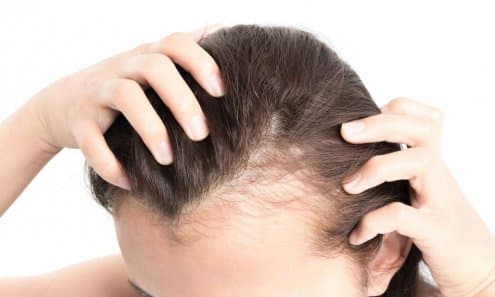
Concerns about metformin and hair loss are common in diabetes and PCOS communities. This guide explains what is known, what is suspected, and what else might be causing shedding. You will learn how clinicians distinguish pattern hair loss from stress-related shedding, and how vitamin B12, thyroid, and iron status can play a role. We also summarize practical steps to discuss with your healthcare professional.
Key Takeaways
- Complex picture: multiple factors influence hair changes with this drug.
- Check basics: B12, thyroid, iron, and overall nutrition first.
- Distinguish causes: pattern loss vs diffuse stress-related shedding.
- PCOS context: improved insulin action can help some hair symptoms.
- Professional review: consider dermatology if shedding persists or worsens.
What We Know About Metformin and Hair Loss
Evidence linking the drug directly to hair shedding is limited and mixed. Case reports and community discussions exist, but controlled trials rarely list alopecia as a common adverse effect. Several indirect pathways could still matter, including nutrient shifts, hormonal changes, and body-weight dynamics. Individual susceptibility varies, making careful evaluation essential.
Clinicians first check for non-drug causes because hair loss has many triggers. Thyroid dysfunction, low iron stores, low vitamin B12, major illness, rapid weight changes, and genetic predisposition can all drive shedding. Reviewing the medication list often helps, since other agents may contribute. For a broader comparison of common therapies, see Diabetes Medications Overview to compare classes when balancing efficacy and tolerability.
How Could Metformin Affect Hair? Hormones, Nutrients, Shedding
Three pathways are usually discussed. First, improved insulin sensitivity can reduce circulating insulin and androgens, which may benefit scalp follicles in people with insulin resistance. Second, long-term therapy can reduce vitamin B12 absorption in some individuals, which may affect hair quality if deficiency develops. Third, rapid weight loss or systemic stress can trigger diffuse shedding known as telogen effluvium (stress-shedding).
Some researchers describe metformin telogen effluvium when shedding appears after fast weight change, illness, or childbirth. This is usually temporary once triggers resolve. For public dermatology guidance on diffuse shedding, see the dermatology guidance offered by the AAD, which outlines typical timelines and patterns. Because insulin physiology also shapes hair biology, you may find Insulin Resistance vs Deficiency helpful for physiology differences shaping hair health perceptions.
Note: The U.S. prescribing information acknowledges B12 decreases with long-term therapy; periodic assessment is prudent in at-risk groups. See FDA-endorsed drug safety information for concise overviews used in clinical counseling.
PCOS, Hirsutism, and Hair Outcomes
In polycystic ovary syndrome, improved insulin action can lower hyperinsulinemia and reduce ovarian androgen production. That change can blunt hirsutism (excess body/facial hair) in some, while potentially supporting scalp follicle health. Clinical results vary, and hair cycles respond slowly, so changes may be subtle and delayed. Individual nutrition, stress, and genetics still exert strong influence.
Readers often ask about metformin hair growth pcos. Some small studies and real-world reports suggest modest benefits for androgen-driven symptoms, mainly by improving metabolic drivers. For wider reproductive and metabolic context, see Metformin for PCOS for broader reproductive and metabolic context around PCOS therapy. If weight-loss medicines are part of your plan, hair change discussions may also include GLP-1 agents; see Wegovy and Hair Loss for context on GLP-1 weight loss drugs and shedding.
Which Hair Loss Are We Seeing? Androgenic vs Diffuse
Accurately naming the pattern guides next steps. Androgenetic alopecia (pattern hair loss) shows progressive thinning over the crown and hairline in genetically predisposed people. Telogen effluvium presents as diffuse shedding, often after stress, illness, or marked dietary change. Traction alopecia reflects chronic pulling hairstyles, while alopecia areata is autoimmune and patchy. Each has distinct evaluation and management pathways.
Some readers worry about metformin and androgenic alopecia. Current data do not show that the medicine drives pattern baldness. In fact, metabolic improvement could theoretically reduce androgen effects in insulin-resistant populations. However, if pattern loss began before therapy or follows a strong family history, the medicine is unlikely the primary cause. For an overview of how choices stack up across diabetes treatments, see Invokana vs Metformin for a head-to-head diabetes therapy comparison overview.
Check B12, Thyroid, and Iron: Correct What’s Correctable
Vitamin B12 deficiency may develop with long-term therapy, especially in older adults, vegetarians, people with malabsorption, or those on acid-suppressing drugs. Low B12 can cause fatigue, neuropathy, glossitis, and hair texture changes. If deficiency is confirmed, clinicians address the root cause and replete B12 as appropriate. For general background, see the NIH’s vitamin B12 fact sheet, which reviews symptoms and risk factors.
People sometimes search for metformin b12 deficiency hair loss. Testing B12, ferritin (iron stores), and TSH (thyroid) is reasonable when shedding appears. Hypothyroidism commonly worsens hair density; treatment with levothyroxine can help when indicated. See Synthroid because hypothyroidism is a frequent, reversible hair loss driver. Dietary foundations also matter during diabetes or PCOS care; consider Diet for Insulin Resistance for dietary patterns supporting stable glucose and hormones.
Formulation, Co‑Therapies, and Tolerability
Tolerability can influence nutrition, weight stability, and perceived hair quality. Gastrointestinal side effects may reduce intake or lead to dietary restriction, indirectly affecting hair. Some patients do better with extended-release formulations, allowing steadier dosing and fewer GI issues. Discuss options with your clinician if symptoms limit food variety or protein adequacy.
Formulation choice and combination therapy can also shape overall metabolic control and quality of life. See Glumetza for extended-release formulation details relevant to tolerability. If combining with other agents, comparative reading like Diabetes Medications Overview can help to compare classes when balancing efficacy and tolerability, and Quercetin and Metformin for potential adjuncts under investigation affecting insulin pathways.
Monitoring and When to Seek Care
Ask whether the timeline fits the symptom. Diffuse shedding that starts two to three months after a stressor often represents telogen effluvium and slowly improves. In contrast, patterned thinning over years points to genetics. Worsening scalp itching, inflammation, or scarring requires prompt evaluation because scarring alopecias demand early treatment.
People often ask, “does metformin cause hair loss in women?” Sex-specific data are limited; clinicians weigh history, labs, and pattern. Consider a medication review, dietary assessment, and screening labs (CBC, ferritin, TSH, B12). For those exploring SGLT2 or DPP-4 combinations, Janumet XR can show sitagliptin–metformin pairing details for combination therapy context, and Invokana vs Metformin for a head-to-head diabetes therapy comparison overview.
Recovery: What to Expect
Recovery depends on the cause. If labs reveal a correctable issue, addressing it may improve shedding over subsequent hair cycles. Telogen effluvium generally settles once the trigger resolves, but shedding can persist for several months due to the hair growth timeline. Pattern hair loss progresses more steadily and often needs targeted dermatology care.
When people report hair loss on metformin, clinicians typically consider weight change, intercurrent illness, nutrient status, and family history before attributing causality. If a formulation switch improves diet tolerance, hair may feel thicker with better protein and micronutrient intake. For chronic cardiometabolic care, resources like Diabetes and Hypertension 2025 discuss integrated risk reduction, which indirectly supports skin and hair health through overall wellness.
Compare and Contextualize Within Your Care Plan
Medication choices happen in the context of goals, comorbidities, and preferences. If GI tolerability limits nutrition, discuss formulation timing, meal pairing, or alternative regimens. Some individuals pair therapy with SGLT2 or GLP‑1 agents for additional metabolic benefits. Others prioritize simplicity or specific side-effect profiles.
For patients evaluating alternatives or add-ons, see Invokamet for canagliflozin–metformin combinations when dual mechanisms are considered, and Dapagliflozin to understand SGLT2 effects that may influence weight and hydration. These comparisons can help structure a practical discussion with a clinician. Finally, exploring Probiotics and Type 2 Diabetes may be useful for gut-health strategies supporting nutrient absorption and energy balance.
Recap
Current evidence does not confirm a direct, frequent causal link, but individual cases occur and deserve thoughtful evaluation. Rule out common drivers first, especially B12 deficiency, thyroid disorders, and low iron stores. Distinguish pattern thinning from stress-shedding, and consider PCOS-specific dynamics. Discuss any persistent changes with your healthcare professional and plan targeted testing where appropriate.
Tip: Keep a brief hair diary with photos, timelines, recent illnesses, weight changes, and medication adjustments. Bringing concrete details to appointments helps clinicians identify patterns faster.
This content is for informational purposes only and is not a substitute for professional medical advice.