
Tobacco use changes glucose control in measurable ways. People living with diabetes face higher risks, and those at risk may develop the condition sooner. Understanding mechanisms, test-day effects, and quitting strategies helps you plan safer routines and steadier readings.
Key Takeaways
- Nicotine triggers stress hormones that raise glucose temporarily.
- Long-term smoking worsens insulin resistance and A1C trends.
- Vaping and smokeless tobacco may still disrupt testing routines.
- Quitting improves insulin sensitivity but needs dose-aware monitoring.
Mechanisms: Nicotine, Hormones, and Insulin Action
Early in any plan, clarify how smoking and diabetes interact. Nicotine stimulates catecholamines (stress hormones), which prompt the liver to release glucose. It also tightens blood vessels and can impair skeletal muscle uptake of glucose. Over time, these effects contribute to insulin resistance (reduced insulin response) and wider glycemic variability.
These physiologic shifts matter during illness, exercise, or dose changes. Even one cigarette can cause short-lived hyperglycemia, while chronic use increases baseline insulin needs. If you use mixed regimens, review basal and bolus patterns. For background on combination options, see Premixed Insulin for how premixed insulin works and timing considerations in real life: Premixed Insulin.
Smoking and Diabetes: Why the Risks Add Up
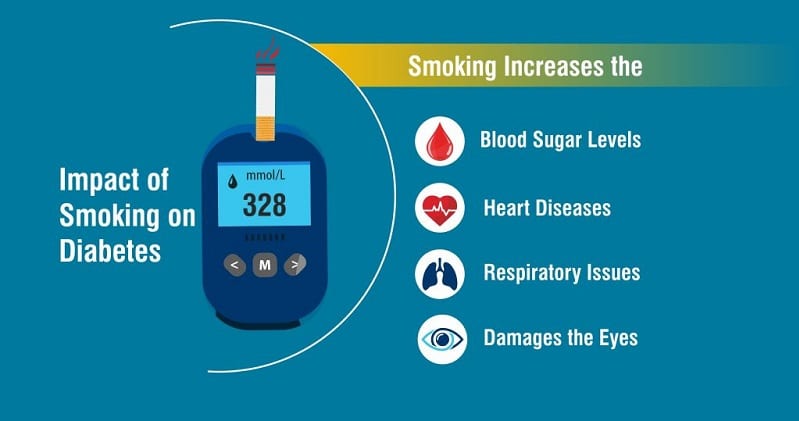
Tobacco use increases risks for microvascular and macrovascular complications. People who smoke face higher rates of neuropathy, kidney disease, and cardiovascular events. These outcomes compound the baseline risks already present with diabetes, especially when glucose remains above target.
Major public health authorities report a clear association between tobacco and type 2 diabetes risk. The Centers for Disease Control and Prevention notes that smokers are more likely to develop diabetes compared with nonsmokers, underscoring prevention value in cessation efforts (CDC guidance on diabetes and smoking). This is why risk counseling belongs in routine visits.
Acute Glycemic Spikes and Short-Term Effects
Many people ask whether small amounts matter. The answer is that even brief exposure can raise glucose for several hours. With that context, can smoking raise blood sugar often enough to affect pattern management? Yes, especially around meals or exercise when glucose is already in flux.
Timing matters. A cigarette 30–60 minutes before eating can amplify postprandial peaks, complicating correction doses. For people using continuous glucose monitoring, note the transient spikes after nicotine exposure and compare with non-smoking days. You can share trend screenshots at your next review for dose-safe adjustments.
Tip: If you use custom targets for exercise or driving, log tobacco timing. This improves interpretation and reduces unnecessary corrections.
E-Cigarettes and Monitoring
Evidence on e-cigarettes varies, but nicotine remains a driver of sympathetic activation and glucose release. Users sometimes assume vaporizers are metabolically neutral. For clarity during lab work, does vaping affect blood sugar test interpretation or accuracy? Nicotine can skew readings indirectly by raising glucose before the draw.
Plan test mornings without nicotine whenever possible. Hydrate, maintain your usual basal insulin, and avoid last-minute vaping before a fasting test. If abstinence is difficult, document timing in your log so clinicians can contextualize results. For broader cardiovascular implications related to diabetes care, see an overview of therapy benefits in Mounjaro Heart Benefits for how cardiometabolic strategies intersect with diabetes risk.
Smokeless Tobacco and Oral Effects
People sometimes switch to chewing tobacco to avoid smoke. The change reduces combustion-related toxins but does not remove nicotine’s metabolic effects. In this context, does chewing tobacco increase blood sugar levels during typical use? Nicotine exposure may still elevate glucose, and frequent dosing can extend the effect.
Smokeless products also harm oral health. In diabetes, gum inflammation can worsen glycemic control, and poorer control further aggravates periodontal disease. For oral complication prevention steps in diabetes, see Periodontitis and Diabetes for practical hygiene measures that support lower infection risk.
Type 2 Risk and Type-Specific Concerns
Over time, can smoking cause type 2 diabetes by altering insulin action? Research supports increased incidence among smokers, likely mediated by chronic inflammation, oxidative stress, and weight distribution changes. These pathways heighten insulin resistance and make beta-cell stress more likely.
In type 1 diabetes, tobacco use adds vascular risk and complicates standard targets without changing autoimmune origins. Kidney and eye complications may advance faster when glucose and blood pressure remain above goal. For kidney health planning, review prevention tips in National Kidney Month to align blood pressure, lipids, and glucose. For eye screening cadence in diabetes, see Diabetic Eye Disease for evidence-based exam intervals.
Testing Days: Preparing for Accurate Results
Fasting labs and oral glucose tolerance tests need consistent preparation. Most clinics advise avoiding tobacco the morning of testing because nicotine can raise glucose acutely. In practical terms, does smoking affect blood sugar test results you rely on for therapy changes? It may, by shifting pre-test levels upward and skewing interpretation.
To reduce confounding, avoid overnight hypoglycemia, hydrate well, and maintain usual basal insulin. Record the time of last cigarette if abstinence is not possible. When discussing insulin designs and timing that may buffer variability, see Premixed Insulin for storage, timing, and mix considerations that affect test-day stability. For broader educational reading, browse Diabetes articles for structured guidance on monitoring routines.
A1C and Long-Term Control
After months of continued use, smoking effects on a1c become noticeable in many people. Higher average glucose, more variability, and inflammatory stress all contribute. This often means tighter targets elsewhere, like more conservative meal timing, to offset nicotine-related swings.
Large health agencies recommend cessation to lower long-term complication risk. In addition to the CDC’s findings, the World Health Organization highlights diabetes risk and complications among tobacco users, reinforcing the long-term benefits of quitting (WHO tobacco fact sheet). Discuss patterns from your glucose logs and consider step-down plans that match your lifestyle and medications.
Quitting: Glycemic Management During Withdrawal
Withdrawal can temporarily alter appetite, stress, and sleep, making glucose less predictable. People often wonder how much does smoking raise blood sugar relative to the weeks after quitting. Short-term changes vary, but many see improved insulin sensitivity within weeks to months as nicotine exposure ends.
Prepare a quit plan that includes food timing, activity, and CGM alerts. If pharmacotherapy is appropriate, some prescribers consider bupropion. For background on sustained-release formulations used in cessation, see Bupropion SR for formulation specifics, and review extended-release details in Wellbutrin XL to understand dosing intervals. For emerging avenues in diabetes care, see Semaglutide Smoking Cessation for early insights into combined metabolic and craving effects.
Compare and Related Topics
Smoking intersects with cardiometabolic risk, lipids, and blood pressure. If your care plan includes statins or antihypertensives, discuss interactions and monitoring cadence. For lipid-lowering basics relevant to vascular protection, see Lipitor Uses for mechanism context. For blood pressure treatment frameworks you might encounter, review Atenolol and Hypertension for safety considerations during multi-drug therapy.
Note: Alcohol can add hypoglycemia risk, particularly with insulin or secretagogues. Coordinate any changes in tobacco or alcohol use with your clinician and plan extra checks on higher-risk days.
Recap
Nicotine raises glucose short term and worsens long-term variability. Combustible and non-combustible products can both complicate testing days and A1C. Quitting reduces vascular risks and may improve insulin sensitivity over time. Keep logs, plan test-day routines, and review options that align with your broader diabetes care goals.
This content is for informational purposes only and is not a substitute for professional medical advice.


