The 3 p’s of diabetes capture three early symptom clusters that many people notice. Understanding these signs helps you recognize changes sooner and act appropriately.
Key Takeaways
- Three core symptoms: frequent urination, excessive thirst, and increased hunger.
- They arise from high glucose, fluid shifts, and hormonal signals.
- Track patterns, check glucose, and assess for ketones when unwell.
- Differentiate diabetes mellitus from diabetes insipidus to avoid delays.
- Escalate care promptly if symptoms worsen or dehydration appears.
The 3 P’s of Diabetes Explained
Clinicians often describe three hallmark features: polyuria (excessive urination), polydipsia (excessive thirst), and polyphagia (excessive hunger). In plain terms, you may pee more, drink more, and feel hungrier than usual. These signs tend to cluster when blood glucose rises above the kidney’s reabsorption capacity. They can appear in both type 1 and type 2 diabetes and range from subtle to prominent.
With polyuria, high glucose drags water into urine, leading to large volumes and frequent bathroom visits. Polydipsia follows because the body senses fluid loss and rising blood concentration. Polyphagia develops when cells cannot use glucose effectively, so the brain interprets an energy shortfall as hunger. While these three are classic, they are not the only signs to monitor.
How These Symptoms Develop
Understanding the physiology clarifies why symptoms cluster. As glucose rises, filtered sugar exceeds renal thresholds and creates osmotic diuresis. Water follows glucose into urine, causing volume loss. That fluid loss triggers thirst centers, driving more drinking to restore balance. This sequence explains why polydipsia in diabetes often tracks with frequent urination and dry mouth. Many people also notice fatigue from dehydration and energy mismatch.
Hunger reflects disrupted fuel use. When insulin is low or tissues resist it, cells cannot import glucose efficiently. The brain interprets this as a shortage and increases appetite. In absolute deficiency, fat breakdown rises and ketones may accumulate. For background on insulin lack and ketone formation, see Absolute Insulin Deficiency for context on metabolic shifts. For a symptom overview grounded in public health guidance, the CDC diabetes symptoms page summarizes common early features in clear terms.
Recognizing Broader Warning Signs
People often ask, what are 10 warning signs of diabetes. Beyond the three core symptoms, tracking these additional changes may help you seek timely evaluation. Use this list to frame conversations with your clinician and decide when to test.
- Unintended weight loss
- Blurred vision
- Fatigue or daytime sleepiness
- Slow-healing cuts or frequent infections
- Tingling or numbness in hands or feet
- Dry, itchy skin
- Bed-wetting or nocturia (night urination)
- Fruity breath or nausea when unwell
- Mood changes or irritability
- Recurrent yeast or urinary infections
If you want a focused list specific to type 2 onset, see Early Type 2 Signs for a fuller list tailored to adult presentations. These patterns, paired with home glucose checks, can guide when to escalate care.
Patterns in Type 1 and Type 2
In autoimmune type 1 diabetes, the three symptoms often arise quickly as insulin levels fall sharply. That speed can be striking in children or young adults, where dehydration and ketones build rapidly. Clinicians may reference 3 p’s of diabetes type 1 when describing a classic new-onset pattern in leaner individuals with weight loss. Nevertheless, adults can also present this way, especially during rapid beta-cell decline.
Type 2 diabetes usually develops more gradually. Insulin resistance rises first, then beta cells struggle to keep up. People may notice mild thirst, frequent urination, or increased appetite over months, often with fatigue and blurred vision. For context on immune mechanisms in type 1, see Type 1 Autoimmune Basics to understand why insulin deficiency accelerates in some cases. To explore educational resources across conditions, browse the Diabetes Articles collection for practical guidance.
When High Blood Glucose Requires Urgent Care
Severe hyperglycemia can progress to emergencies. DKA (diabetic ketoacidosis) and HHS (hyperosmolar hyperglycemic state) often begin with the same three symptoms, then add nausea, vomiting, abdominal pain, confusion, or rapid breathing. Some clinicians describe 3 p’s of diabetes hyperglycemia in triage settings because these early signs help flag risk. Worsening dehydration, especially with vomiting or lethargy, warrants immediate medical evaluation.
For signs, lab markers, and action steps, see Acute Hyperglycemia Guide for threshold-based escalation advice. If you care for an older adult with very high glucose, review Hyperosmolar Hyperglycemic State for dehydration cues and cognitive changes. Additional clinical details on emergency recognition appear in the ADA Standards of Care, which outline evaluation and stabilization principles.
Managing Excess Hunger Safely
Persistent hunger can interfere with daily routines and glucose targets. Polyphagia may improve when meals emphasize fiber, lean protein, and balanced carbohydrates. Structured meal timing and adequate hydration can also reduce snacking reflexes. Sleep, stress management, and activity help appetite signals normalize, while individualized nutrition counseling adds practical tactics. Discuss digestion issues or medications that may worsen appetite with your clinician.
If increased hunger becomes disruptive, ask about polyphagia treatment to ensure your plan covers diet, medications, and monitoring. For overlapping high-glucose symptoms, review Hyperglycemia Signs and Treatment for patterns and steps to reduce glucose variability. For an overview of therapy classes you may discuss at appointments, explore the Diabetes Medications Category for a sense of available options to review with your provider.
Distinguishing Diabetes Insipidus
Not all thirst and urination are caused by high blood sugar. Diabetes insipidus involves water balance, not glucose, and stems from antidiuretic hormone (vasopressin) issues or kidney response. It produces large volumes of very dilute urine and intense thirst but usually lacks hunger changes or weight loss from calorie deficits. Careful testing separates these conditions and avoids misdirected treatment.
Management differs substantially, making correct identification essential. When appropriate, clinicians may consider diabetes insipidus treatment that targets vasopressin pathways and fluid balance. To understand how these conditions diverge, see Diabetes Mellitus vs Insipidus for key contrasts in labs and symptoms, and review Diabetes Insipidus Overview for causes and evaluation steps. For background reading, the Endocrine Society guideline details diagnostic criteria and treatment approaches.
Testing and Next Steps
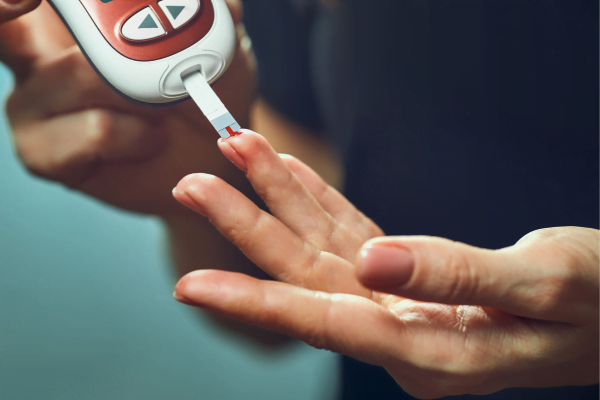
When you notice frequent urination, thirst, or hunger shifts, start with structured observations. Record timing, fluids, meals, and home glucose checks. If you have access, add fasting glucose, post-meal readings, and occasional overnight values. Consider testing ketones during illness, significant hyperglycemia, or dehydration. If readings are elevated, testing for A1C or an oral glucose tolerance test can clarify the diagnosis and stage.
Discuss any recurring polyuria in diabetes with your clinician, especially if accompanied by weight loss or vision changes. They may recommend labs to rule out infection, check electrolytes, and evaluate kidney function. To build self-management skills and plan follow-up, see Tools for Better Care for practical coaching resources. For cardiovascular risk context tied to hyperglycemia, review Heart Connection Day for prevention themes you can apply.
Recap
Frequent urination, excessive thirst, and increased hunger often cluster when glucose runs high. Track patterns, confirm with testing, and use clear thresholds to decide next steps. Differentiate glucose-driven symptoms from water-balance disorders to keep care on target. Seek urgent evaluation for dehydration, vomiting, confusion, or rapid breathing.
Note: Keep a concise symptom and glucose log. Short notes help clinicians identify patterns and tailor your plan.
This content is for informational purposes only and is not a substitute for professional medical advice.