
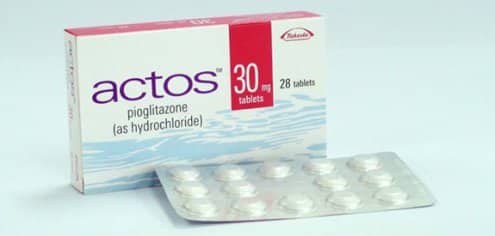
Many people ask, does actos cause hypoglycemia, especially when starting therapy or adding new drugs. This overview explains how pioglitazone (a thiazolidinedione insulin-sensitizer) affects blood sugar, where low-glucose risk comes from, and how to use it safely alongside other treatments. You will also find practical monitoring tips, caution flags, and context on weight, edema, and special populations.
Key Takeaways
- Low alone risk: Pioglitazone rarely causes hypoglycemia by itself.
- Combination risk: Risk rises when combined with insulin or secretagogues.
- Safety watch: Monitor edema, weight changes, and liver function.
- Right fit: Avoid in symptomatic heart failure; review bladder history.
- Plan ahead: Keep a glucose source and know emergency steps.
Does Actos Cause Hypoglycemia
Pioglitazone improves insulin sensitivity in liver, fat, and muscle, which lowers glucose without directly driving insulin secretion. For this reason, monotherapy has a low intrinsic risk of symptomatic hypoglycemia. Clinically, low blood sugar becomes more likely when pioglitazone is paired with insulin or insulin secretagogues such as sulfonylureas or meglitinides. Dose adjustments of the other agent often reduce that risk.
Recognize early symptoms—shakiness, sweating, hunger, lightheadedness, or confusion—and confirm with a meter if possible. People with long-standing diabetes or neuropathy may have hypoglycemia unawareness, so proactive monitoring matters. For authoritative risk details and boxed warnings, see the FDA label for pioglitazone (official prescribing information) in this FDA labeling resource. Guidance from the American Diabetes Association notes low risk of hypoglycemia with insulin sensitizers used alone, but increased risk in combinations, which supports careful titration when adding agents in current Standards of Care publications.
How Pioglitazone Lowers Glucose: Mechanism and Timing
Pioglitazone is a thiazolidinedione (TZD) that activates PPAR-γ (a nuclear receptor). This improves insulin sensitivity in adipose tissue and muscle and reduces hepatic glucose output. Clinically, it helps fasting and post‑meal glucose, but the full effect may take several weeks. As part of overall care, clinicians select pioglitazone uses for patients needing insulin resistance reduction rather than additional insulin secretion.
Because effect develops gradually, near-term glucose changes may reflect other drugs or diet rather than pioglitazone alone. For a deeper review of receptor action and downstream effects, see Pioglitazone Mechanism, which explains tissue-level insulin sensitivity changes for background understanding Pioglitazone Mechanism. To compare how TZDs differ from DPP‑4 inhibitors in practice, the concise overview at Actos vs Januvia offers context on add‑on choices for A1C goals Actos vs Januvia.
Common Adverse Effects and Warnings
Across trials and real‑world use, actos side effects most often include weight gain, peripheral edema, mild anemia, and upper respiratory symptoms. Fluid retention can be dose‑related and is more likely when combined with insulin. Bone fracture risk increases, especially in postmenopausal women. Some patients report mild gastrointestinal discomfort. Liver enzyme elevations are uncommon, but baseline and symptom‑triggered testing are prudent.
Read safety details from the product label and trusted drug references before changes. MedlinePlus and the FDA provide neutral summaries of adverse reactions and precautions that clinicians consider when initiating or adjusting therapy in MedlinePlus drug information. For broader context on when to use oral agents with lower hypoglycemia risk, this practical overview of Oral Diabetes Medications explains mechanism-driven side‑effect patterns relevant to regimen design Oral Diabetes Medications.
Who Should Avoid Actos
Serious heart failure or active fluid overload are key caution zones. The drug can cause or worsen congestive symptoms, particularly at higher doses or in combination with insulin. Other red flags include active bladder cancer or unexplained macroscopic hematuria, significant hepatic impairment, and a history of hypersensitivity reactions. In pregnancy or breastfeeding, individualized risk–benefit discussion is essential.
Clinicians assess actos contraindications alongside patient history, renal status, and fracture risk. Patients should promptly report rapid weight gain, dyspnea, or edema. For a bird’s‑eye view of first‑line and add‑on sequencing, see Diabetes Medication Combinations, which outlines safe pairings and when to avoid overlapping risks such as fluid retention Diabetes Medication Combinations. Switching within the TZD class may not improve edema risk; this short comparison of Actos Avandia discusses class similarities and trade‑offs Actos Avandia.
Dose Context: 15 mg vs 30 mg
Starting doses often reflect baseline A1C, concurrent agents, and edema risk. Lower-dose strategies may limit fluid retention while allowing gradual A1C gains, particularly when used with metformin. Although 30 mg offers stronger glycemic effect for some, individual variability and combination therapy influence both efficacy and tolerability. In practice, dosing changes should be conservative and clinically supervised.
Patients and clinicians sometimes ask about side effects of pioglitazone 15 mg versus higher doses. Edema, weight change, and fracture risk can appear at any dose, but frequency may rise with dose and combinations. When insulin or secretagogues are present, consider lowering those hypoglycemia‑prone drugs before increasing pioglitazone. For additional context on comparing background therapies, the concise overview at Actos vs Metformin explains differences in metabolic effects and typical use cases Actos vs Metformin.
Weight, Edema, and Fracture Considerations
Fluid retention and modest weight gain can occur with TZDs through sodium reabsorption and adipose redistribution. Some patients experience increased subcutaneous fat with improved glycemic control, especially when insulin is also used. Monitoring ankle swelling, rapid weight changes, and dyspnea helps detect problematic fluid accumulation early. Discuss bone health measures—adequate calcium/vitamin D and fall prevention—with higher‑risk patients.
Because actos weight gain can be distressing, set expectations and define thresholds that prompt reassessment. Weight trends should be interpreted with A1C, edema, and activity levels. For people also using insulin, this balanced explainer on Insulin and Weight Gain provides strategies to manage expected changes while maintaining safety Insulin and Weight Gain. If edema develops after a dose increase or adding insulin, inform your clinician promptly to discuss options.
Special Populations and Safety Signals
Older adults may face higher risks of edema, fractures, and polypharmacy interactions. Aim for individualized glycemic targets and cautious titration. In kidney disease, pioglitazone is not renally cleared, but fluid retention can worsen cardiorenal symptoms. Liver disease warrants baseline enzymes and symptom‑guided checks, especially if fatigue, dark urine, or jaundice appear. Shared decision‑making helps balance A1C goals with safety.
Investigations have examined a possible link between long‑term pioglitazone use and bladder cancer. Regulators emphasize individualized use, with avoidance in active bladder cancer and evaluation of urinary symptoms. The FDA and other agencies have periodically updated labeling to reflect evolving evidence; you can review the most recent safety communications in agency resources on official FDA pages. For class context, see Injectable Alternatives for Type 2 diabetes when oral agents pose safety constraints or limited effect Injectable Alternatives.
Combining with Metformin or Insulin
Pioglitazone pairs commonly with metformin to address both insulin resistance and hepatic glucose output. This combination may lower A1C effectively with a low intrinsic hypoglycemia risk. However, when insulin is added, monitor closely for fluid retention and low glucose episodes. Clarify sick‑day rules and when to pause agents during acute illness, especially if dehydration or reduced intake occurs.
In practice, actos and metformin taken together require attention to edema, liver enzymes, and weight trends. For regimen design and case‑based nuances, the Actos Metformin Combination article highlights complementary mechanisms and monitoring guardrails Actos Metformin Combination. Some patients transition to fixed‑dose combinations; when considering alternatives that include metformin plus an SGLT2 inhibitor, see Invokamet for product characteristics in that class Invokamet. Patients needing a DPP‑4 plus metformin option can review Janumet XR to compare component effects and dosing convenience Janumet XR.
Practical Use: Food, Monitoring, and Sick Days
Patients often ask about pioglitazone before or after food. The medication can be taken without regard to meals, which simplifies daily routines. Build a monitoring plan that includes fasting glucose, periodic post‑meal checks after changes, weight tracking, and watching for ankle swelling or breathlessness. Review alcohol use, which can independently lower glucose and cloud hypoglycemia recognition.
Keep a fast‑acting carbohydrate on hand at all times. Tablets or gels offer predictable rescue during suspected lows. For immediate glucose replacement options suitable for diabetes care kits, see Dextrose, which provides standardized dosing formats for treating hypoglycemia Dextrose. If severe symptoms occur or the person cannot swallow, trained caregivers should use a glucagon preparation; this Glucagon Injection Guide explains steps and precautions in emergencies Glucagon Injection Guide. For therapy overviews and lifestyle articles, browse Type 2 Diabetes for organized reading pathways Type 2 Diabetes.
Legal and Regulatory Notes
Labeling for pioglitazone includes warnings about heart failure risk and guidance on bladder cancer history. These positions reflect large datasets and periodic post‑marketing reviews. Before initiating or combining therapies, clinicians consider individual risk factors and alternative classes. When litigation or media coverage raises concerns, rely on updated regulatory communications and the official product monograph for the most balanced view.
If you are uncertain about whether a past cancer history, fracture risk, or fluid status changes your medication plan, discuss recent imaging, urinalysis, and cardiac findings with your healthcare team. Evidence and recommendations evolve, so revisit safety topics at follow‑up visits. For background on secretagogue timing and hypoglycemia potential relative to TZDs, see Repaglinide Uses for a perspective on mealtime insulin secretagogues Repaglinide Uses, and consult the Premixed Insulin Guide when comparing basal‑bolus alternatives for complex cases Premixed Insulin Guide.
Recap
Pioglitazone improves insulin sensitivity and rarely causes low glucose by itself. Hypoglycemia risk increases with insulin and certain secretagogues, so monitor closely after regimen changes. Track weight, edema, and liver symptoms, and review contraindications such as symptomatic heart failure. Plan for emergencies with rescue carbohydrates and clear instructions for caregivers. Reassess risks and benefits at every visit as your health status changes.
Note: If hypoglycemia is recurrent or severe, discuss treatment goals, combination choices, and monitoring frequency with your healthcare provider.
This content is for informational purposes only and is not a substitute for professional medical advice.


