
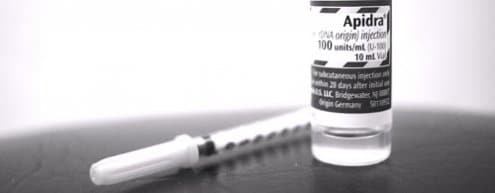
People starting insulin glulisine often ask about tolerability and safety. Understanding apidra side effects helps you recognize problems early and discuss them promptly with your care team.
Key Takeaways
- Common effects: Mild injection-site reactions and low blood sugar.
- Serious risks: Severe hypoglycemia, hypokalemia, and rare allergic reactions.
- Dosing basics: Time doses with meals and monitor glucose closely.
- Devices: Pens, vials, or pumps require correct technique and storage.
- When to act: Seek urgent help for severe lows or systemic reactions.
Understanding apidra side effects
Most people tolerate this rapid-acting insulin reasonably well. The most frequent issue is hypoglycemia (low blood sugar), which may present as sweating, tremor, confusion, or headache. Local skin reactions, such as redness or itching at the injection site, can occur and often resolve with rotation. Less often, patients experience lipodystrophy (fat tissue changes), which can appear as dents or thickened areas.
Serious but uncommon reactions include generalized hypersensitivity, hypokalemia (low potassium), and severe hypoglycemia requiring assistance. These events warrant prompt medical attention. For authoritative details on labeled warnings and adverse reactions, see the FDA prescribing information for Apidra, which summarizes clinical trial safety findings and boxed cautions FDA prescribing information. If you use the SoloStar device, further pen-specific tolerability points are reviewed in our focused guide; for injection-site nuances, see Apidra Solostar Pen Side Effects for device-related considerations.
What Apidra Is and How It Works
This medicine is a fast-acting mealtime insulin used in type 1 and type 2 diabetes. It helps reduce post-meal glucose by enhancing cellular uptake, suppressing hepatic glucose output, and inhibiting lipolysis. The formulation acts quickly and has a relatively short duration, which supports meal flexibility when combined with monitoring.
On a molecular level, the apidra mechanism of action mirrors human insulin but with faster onset characteristics. The clinical indication covers patients requiring bolus insulin as part of a basal-bolus regimen or via pump, as directed by a prescriber. For a deeper overview of when and why this agent is chosen, see Apidra Uses to understand therapeutic contexts and typical scenarios.
Timing matters in practice. Dose adjustments often consider carbohydrate intake, current glucose, and planned activity. For timing relative to meals and action curves, this explainer adds useful context; for timing windows and curves, visit Apidra Insulin Peak Time Onset Duration Action for visual timelines.
Contraindications and Precautions
Documented hypersensitivity to the drug or excipients is a contraindication. Use is also contraindicated during active hypoglycemia, due to the risk of further lowering glucose. Clinicians monitor for hypokalemia, especially when combining with other potassium-lowering therapies. Injection-site rotation is important to reduce lipodystrophy and variable absorption.
People with renal or hepatic impairment may need closer observation, as insulin clearance and response can vary. Certain drugs can increase hypoglycemia risk (for example, alcohol or beta-blockers), while others may reduce insulin effect. When considering apidra contraindications in special settings, align plans with local guidelines and labeling. For broader background on rapid insulins and kinetics, see Rapid Acting Insulin Peak Time Onset Brands for timing and brand differences.
Dosing and Administration Guidance
This insulin is administered subcutaneously in the abdomen, thigh, or upper arm, or by continuous subcutaneous infusion via an insulin pump. Many patients dose with meals, guided by carbohydrate intake and glucose targets. The apidra dosage varies widely by individual needs, sensitivity, and concurrent basal therapy. Always follow your prescriber’s guidance for titration, and confirm technique with a diabetes educator.
Practical routines often include premeal dosing and occasional correction doses. Some teams use sliding-scale or ratio-based approaches, sometimes supported by a clinician-provided chart. If you are considering a starting dose or a calculation tool, ask your care team; a clinic-specific dosage chart or calculator is typically tailored to your history. For onset and duration context that informs timing, see Understanding Apidra Insulin to align dosing with meals.
Note: Insulin administered via pump has device-specific rules. Mixing policies differ by route, and pump users should follow manufacturer and clinic protocols. Safety instructions for infusion sets and occlusion checks should be reviewed routinely. Labeling cautions and administration instructions are detailed in regulatory documents; for official directions on use, consult the Health Canada monograph for comprehensive guidance Health Canada monograph.
For device selection, many patients prefer prefilled options. If you want to review device features and compatible needles, see Apidra Insulin SoloStar Pens for pen format details and specifications.
Devices and Combinations: Pens, Vials, Basal Pairing
Delivery method affects day-to-day use. Prefilled pens support dose accuracy and portability, while vials and syringes can suit fine-tuned regimens. Pumps offer programmable basal rates and boluses with careful site care. Training on priming, site rotation, and disposal reduces problems such as leakage, occlusion, or injection discomfort. Technique refreshers also help maintain consistent absorption over time.
Some individuals pair a rapid mealtime insulin with a basal insulin for full-day coverage. Clinicians often consider apidra and lantus together within a basal-bolus approach, adjusting each component for fasting and postprandial targets. If you are learning pen technique, step-by-step visuals can help; for illustrated pen setup and timing basics, review Apidra SoloStar Pen Rapid Acting Insulin Solution for device orientation and setup tips.
Comparisons With Rapid-Acting Insulins
Fast-acting analogs share core features but differ in onset, peak, and formulation. In clinical practice, teams individualize choices based on response, devices, and lifestyle. When comparing apidra insulin vs novorapid, discussions often consider meal timing, pump compatibility, and user preference. Similar considerations apply when comparing to insulin lispro.
Side-by-side reviews can highlight nuances that matter to you. If you are deciding between agents, this comparison guide can help frame discussion points; for practical pros and cons, see Apidra vs Humalog to understand clinical trade-offs. If you need brand-specific differences in detail, visit Apidra vs Novolog for labeled distinctions and timing contrasts. If your clinician suggests switching, related dosing topics are covered in Bolus Insulin Brands Dosing to contextualize adjustments.
Some patients also examine product availability and compatible devices. If your plan includes an aspart-based option, this product page outlines presentation formats; for vial presentations and sizes, see Buy NovoRapid Vials for packaging information and strengths.
Monitoring, Storage, and When to Seek Help
Routine glucose monitoring reduces the risk of severe lows. Watch for changing patterns during illness, increased activity, or dietary shifts. Track injection sites for redness, lumps, or indentations. If you experience persistent local reactions or unexpected variability, discuss site rotation and technique with your team. People on diuretics or with cardiac conditions should be aware of potassium changes and report concerning symptoms.
Store unopened supplies in the refrigerator and keep in-use pens or vials within the labeled room-temperature window. Avoid extreme heat or freezing, and discard products beyond recommended in-use times. The regulatory label lists storage thresholds and warnings; for official safety and handling instructions, refer to the FDA prescribing information, which outlines storage and stability details FDA labeling guidance. If symptoms escalate or do not improve, seek medical care. If you see signs consistent with insulin glulisine allergy, such as widespread rash or breathing trouble, seek urgent evaluation.
Recap
This rapid-acting insulin can help manage post-meal glucose when used correctly. Know common and serious reactions, align dosing with meals, and monitor closely. With sound technique and follow-up, most people maintain safe, steady control.
For broader context on insulin classes and options, browse Insulin Types Guide to compare categories and use-cases. For continuing education on diabetes topics, our Type 2 Diabetes articles provide practical overviews and applied tips.
This content is for informational purposes only and is not a substitute for professional medical advice.


