
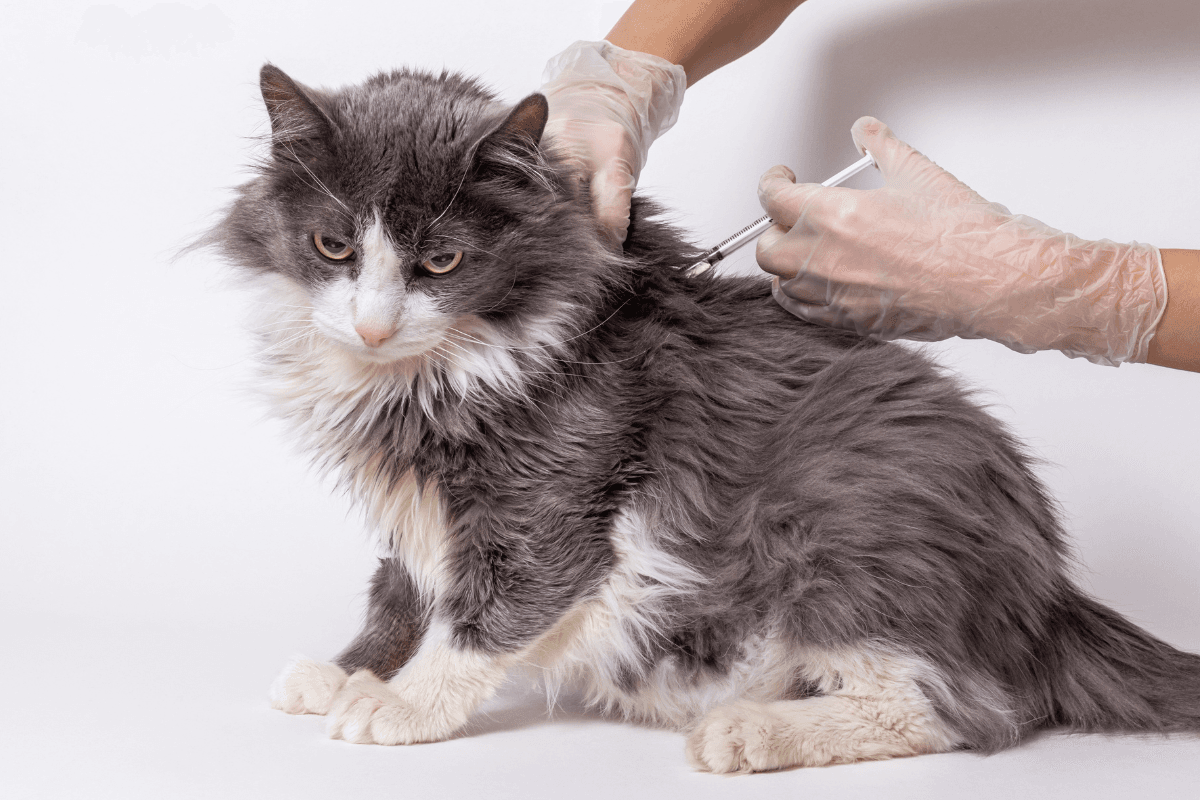
Itchy, inflamed skin can make any cat miserable. Atopica cats therapy uses cyclosporine, a calcineurin inhibitor (immune-suppressant), to calm allergic inflammation and reduce scratching, overgrooming, and skin lesions. This guide explains indications, dosing basics, administration tips, monitoring, and practical alternatives. It combines clinical terms with plain language for clarity.
Key Takeaways
- Primary use: control of feline allergic dermatitis when other causes are excluded.
- Mechanism: cyclosporine reduces T‑cell–driven inflammation and itch signaling.
- Formulations: oral liquid with a syringe and some capsule options for select patients.
- Safety: monitor for gastrointestinal upset and infections; follow your veterinarian.
- Keyword focus: cyclosporine for cats appears in labeled guidance and reviews.
What Cyclosporine Is and How It Helps Itchy Cats
Cyclosporine is an immunomodulator that decreases overactive T‑cell responses. In allergic skin disease, that immune overactivity fuels redness, pruritus (itch), and secondary infections. By dampening these signals, cyclosporine helps many cats experience fewer flares and calmer skin. It is not a steroid, but it still suppresses parts of the immune system, so careful monitoring matters.
Clinical studies show improved lesion scores and itch control in feline allergic dermatitis when cyclosporine is used as directed. For regulatory context and approved uses, see the EMA’s public assessment report for Atopica for cats, which outlines indications and safety considerations (EMA veterinary assessment). For mechanism, interactions, and adverse reactions across species, the Merck Veterinary Manual offers a balanced overview (Merck Veterinary Manual).
Atopica cats: Indications, Contraindications, and Diagnostic Steps
Vets typically consider cyclosporine for feline allergic dermatitis after ruling out other pruritic conditions. This often includes checking for fleas, mites, dermatophytes (ringworm), and bacterial or yeast overgrowth. A targeted work‑up may involve skin scrapings, cytology, and fungal culture when lesions or history suggest infection. Allergic triggers can include environmental allergens and, less commonly, food sensitivities; diet trials may be recommended in selected cases.
Contraindications include known hypersensitivity to cyclosporine and certain uncontrolled infections. Use caution in cats with systemic illness, neoplasia concerns, or positive Toxoplasma exposure risk. Your veterinarian may advise parasite prevention during therapy to reduce confounding itch. For parasite control options that can help clarify the itch picture, see Revolution Plus for broad coverage rationale.
Dosing and Administration Basics
Dosing is individualized and based on your veterinarian’s assessment of severity, response, and tolerability. Label directions provide a starting framework, but clinical judgment guides adjustments. Your veterinarian will advise how and when to give doses and when to re‑evaluate response. If vomiting occurs, clinicians sometimes adjust timing with small meals or temporary pauses, but any change should be veterinarian‑directed.
Published guidance describes cyclosporine for cats dosage strategies that start with daily administration and move toward the lowest effective frequency. Never change dose, schedule, or formulation without veterinary input. For formulation specifics and labeled use context, review Atopica For Cats, which outlines product presentation and handling details.
Using the Oral Liquid and Dosing Syringe
The oral liquid is designed for precise measurement and easier administration to reluctant cats. Before drawing a dose, gently invert per label directions if required, and keep the tip of the dosing device clean to avoid contamination. Administer directly into the cheek pouch slowly to reduce aspiration risk. Rinse the syringe after use and let it air dry between doses.
Owners often ask about mixing with food. Practices vary by case and prescriber, as absorption can differ with meals and fatty foods. Follow your veterinarian’s preference for consistency. If you rely on the atopica for cats dosing syringe, store it with the medication and protect from heat and direct sunlight per label recommendations.
Capsules: When They Are Considered
Some cats accept capsules better than liquids. When appropriate and available, atopica capsules for cats may be used under veterinary direction. Do not split or crush modified capsules unless your veterinarian specifically advises; altered delivery can change absorption and tolerability. If a cat resists capsule pilling, ask about administration techniques or alternative formulations.
Because swallowing difficulties and taste aversion can undermine adherence, discuss practical aids such as pill pockets, buttering the capsule, or gel capsules to ease swallowing. If oral dosing remains inconsistent, your veterinarian may revisit formulation choice or reassess the treatment plan.
Side Effects, Monitoring, and When to Call Your Vet
Common atopica for cats side effects include vomiting, soft stools, decreased appetite, and transient lethargy. These effects may appear early and can subside as cats acclimate. Less common concerns include gum overgrowth, weight changes, and opportunistic infections due to immune suppression. Report any persistent, severe, or unusual signs promptly, especially fever, profound fatigue, or worsening skin lesions.
Monitoring typically focuses on clinical response, body weight, hydration, and any signs of infection. Your veterinarian may recommend periodic lab work depending on history, concurrent medications, or age. If secondary bacterial skin disease complicates pruritus, targeted antibiotics may be considered; for focused discussion of clindamycin use, see Antirobe Capsules as a background resource. When deep infections are suspected, culture and sensitivity guide choices; for injection‑based options discussed in cats, the overview in Baytril Injection For Cats offers general safety context.
Long‑Term Use and Treatment Reassessment
Many cats need maintenance therapy after initial control. The goal is the lowest effective frequency that maintains comfort without triggering flares. Your vet may gradually extend intervals between doses and observe stability. Regular follow‑ups check clinical signs, secondary infections, dental health, and body condition, and they address owner observations about grooming, appetite, and activity.
Evidence and case experience inform long‑term use of cyclosporine in cats, but individual variation is considerable. Ongoing monitoring helps detect cumulative effects or emerging comorbidities. When appropriate, discuss generic options and supply planning using Cyclosporine as a reference for active ingredient context.
Alternatives and Adjunctive Strategies
Allergy care often blends medications and environmental measures. Flea control, gentle bathing, emollient sprays, and targeted antimicrobials can support skin recovery. If fungal disease is a differential, your veterinarian may test and consider antifungals as indicated; for example, Terbinafine is discussed for dermatophyte management rationale in select cases. For immune‑modulating topical therapy on small areas, compounding options like Tacrolimus HGC may be considered when systemic therapy is not ideal.
Brand names vary by market, and some regions carry modulis for cats as a cyclosporine option. Discuss equivalence and local approvals with your veterinarian before substituting any product. Because external parasites can confound allergic itch, integrated prevention helps. For broad parasite control as part of a comprehensive plan, refer to Revolution Plus for spectrum discussion, and review oral antibiotic contexts in Cephalexin For Dogs And Cats when bacterial pyoderma accompanies dermatitis.
Practical Handling: Storage, Missed Doses, and Interactions
Store cyclosporine products per label temperature and light guidance. Do not freeze unless labeling specifies. Use the original container and keep dosing devices clean and dry. If a dose is missed, give it when remembered unless it is near the next scheduled time; do not double up unless a veterinarian advises otherwise.
Tell your veterinarian about all medications and supplements. Cyclosporine uses CYP3A pathways, and interacting agents can alter blood levels. Examples include certain macrolide antibiotics, azole antifungals, and some anticonvulsants. Your veterinarian will weigh benefits and risks and may adjust timing or monitoring when drug interactions are likely.
Recap
Allergic skin disease in cats is complex and often chronic. Cyclosporine can help reduce itch and lesions when used thoughtfully, with clear diagnostics and regular monitoring. Work closely with your veterinary team to refine dosing, manage side effects, and integrate supportive care.
For broader pet care topics and related therapies, browse the Pet Health collection for structured background reading.
Note: External regulatory and pharmacology sources in this article are provided for neutral context and should complement, not replace, your veterinarian’s guidance.
This content is for informational purposes only and is not a substitute for professional medical advice.


