Understanding bydureon side effects helps you prepare, monitor, and respond early. This guide explains common reactions, serious warnings, injection tips, and what to discuss with your clinician.
Key Takeaways
- Common reactions: Nausea, vomiting, diarrhea, and injection-site nodules.
- Serious risks: Pancreatitis, gallbladder issues, kidney injury, and thyroid tumors.
- Technique matters: Correct injection steps reduce lumps and device errors.
- Weight changes: Modest loss is possible, but responses vary widely.
- Stopping or switching: Plan with a clinician to avoid glucose swings.
Understanding Bydureon Side Effects
Bydureon (exenatide extended-release) is a weekly glucagon-like peptide-1 receptor agonist (GLP-1 RA). It slows gastric emptying, increases glucose-dependent insulin secretion, and can reduce appetite. These actions explain many benefits, but also several tolerability issues. Gastrointestinal upset, injection-site nodules, and early-day appetite changes are the most frequently reported reactions.
Some effects are transient and improve after several weeks as the body adapts. Others require careful attention or prompt evaluation. Knowing when a symptom is expected versus worrisome can prevent complications. If a symptom is severe, persistent, or unusual for you, seek medical advice without delay.
For more background on the molecule and dosing context, see Bydureon Exenatide Uses for mechanism and titration basics.
What Bydureon Is and How It Works
Exenatide ER is a GLP-1 RA formulated in microspheres that release medication gradually. This design supports once-weekly dosing and steadier drug levels. The class acts on pancreatic islet cells and the gut, which helps glucose control after meals. These same pathways can trigger nausea and fullness early in therapy.
Patients sometimes ask, is bydureon insulin. It is not insulin; it is a non-insulin, incretin-based therapy. That distinction matters for hypoglycemia risk, which is generally low unless combined with sulfonylureas or insulin. If you use those agents, monitor glucose closely when starting or adjusting doses.
If you need a broader overview, the Bydureon Uses Guide provides indications, dosing rhythms, and co-therapy considerations.
Common and Mild Reactions
Nausea, vomiting, diarrhea, and decreased appetite are the most common effects. These usually appear in the first weeks and may ease as your gastrointestinal tract adapts. Smaller meals, adequate hydration, and slower eating can soften these effects. Avoiding high-fat, heavy meals early in therapy may also help.
Injection-site reactions are common with microsphere formulations. Small, firm nodules, mild redness, or itching can occur and usually resolve over weeks. Rotating injection sites reduces local irritation. If a nodule becomes painful, very red, or drains, contact a clinician to rule out infection or a rare allergic reaction.
Patients often search for bydureon injection side effects when starting weekly dosing. Most local reactions are mild, but misfires, shallow injections, or not waiting the full hold time can worsen lumps. Reviewing device steps before each dose reduces these problems.
Serious Risks and When to Seek Help
Severe abdominal pain, especially radiating to the back or accompanied by vomiting, may signal pancreatitis. Stop the medication and seek urgent evaluation if this occurs. Exenatide products carry warnings about acute pancreatitis; read the FDA prescribing information for full safety details, including emergency signs. Gallbladder disease can also occur, typically with upper right abdominal pain and possible fever.
Thyroid C-cell tumor risk is a class boxed warning for many long-acting GLP-1 RAs. Avoid use if you have a personal or family history of medullary thyroid carcinoma or MEN2. The risk profile and contraindications are summarized in the patient medication guide. Kidney issues, including acute kidney injury, have been reported, particularly with severe vomiting or dehydration; seek care if urination decreases sharply.
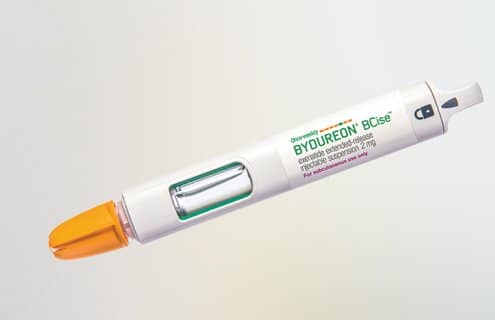
Some users will encounter device or formulation nuances with bydureon bcise. Report persistent injection-site lumps, suspected allergic reactions, or systemic symptoms promptly. Clinicians may adjust co-therapies, hydration strategies, or dosing timing based on patterns they observe. Do not ignore escalating or persistent symptoms.
For comparative safety across the class, see Trulicity vs Bydureon for differences in weekly GLP-1 devices and tolerability, and Bydureon vs Victoza for daily versus weekly contrasts.
Injection Technique, Sites, and Device Tips
Good injection technique reduces local reactions and dosing errors. Typical sites include abdomen, thigh, or upper arm, rotating weekly. Clean the skin, pinch a fold if needed, and hold the device steady for the full recommended count. Avoid injecting into scars, moles, or areas with active irritation.
Make time to recheck device steps before each dose. Many issues stem from missing a priming action, premature removal, or injecting into clothing. If you suspect a misfire, document the time and symptoms and contact your clinician for guidance. Never repeat a full dose without professional advice.
Device and Pen Issues
Autoinjectors simplify administration, but errors happen. A pen that fails to click, incomplete plunger travel, or leakage at the site can signal incomplete delivery. Revisit the device instructions and contact support if the mechanism seems stiff or inconsistent. Keep pens at recommended storage conditions and avoid extreme temperatures, which can affect the formulation and device function.
If you are transitioning from a vial or another device, review step-by-step guidance before your first home dose. Video walk-throughs from reputable sources are helpful, but always confirm steps with official instructions. If a dose may have been partial, monitor glucose trends closely and inform your healthcare team.
When comparing weekly GLP-1 options, see Ozempic vs Bydureon for device design contrasts and Byetta Uses Guide to understand differences with immediate-release exenatide.
For readers considering other non-insulin injectables, the overview Non-Insulin Medications explains classes and practical selection factors.
Availability and Discontinuation Notes
Market availability can shift due to manufacturing decisions or supply constraints. Some formulations and delivery devices have experienced changes in distribution or discontinuation in recent years. If your preferred device is not available, your clinician may suggest a therapeutically similar alternative or a different GLP-1 RA.
Pharmacies may substitute based on stock, insurance coverage, or regional supply. If you receive a different device, ask for hands-on training before your next dose. For historic and product-specific context around exenatide options, see Byetta vs Bydureon for formulation differences and clinical trade-offs.
Weight and Metabolic Effects
Many patients hope for bydureon weight loss as a secondary benefit. Modest weight reduction can occur, but responses vary widely. Appetite suppression often wanes over time, and lifestyle factors strongly influence outcomes. Avoid changing food or exercise plans solely based on early appetite shifts.
GLP-1 agents differ in weight effects. Some newer agents produce larger average losses, but individual results vary. For targeted insights, see Bydureon Weight Loss for expected ranges, and review Best GLP-1 For Weight Loss to compare across newer options. If weight is the primary goal, discuss approved weight-management medications with your clinician.
Note: Bydureon is approved for glycemic control in type 2 diabetes, not primary weight management. Off-label use should be carefully weighed against evidence, monitoring needs, and alternatives.
Switching and Stopping Considerations
Transitioning between GLP-1 RAs or stopping exenatide requires a plan. Without a bridge strategy, glucose may rise and gastrointestinal symptoms may recur or change. Coordinate timing so the next agent starts when the prior dose’s effect is expected to wane. Keep a log of symptoms and glucose for the first several weeks after changes.
The side effects of stopping bydureon vary. Some people notice increased appetite or higher post-meal readings. Others feel fewer GI symptoms but need intensification of another therapy. For structured comparisons during a switch, see How Long To Take Ozempic for treatment duration considerations and Ozempic vs Bydureon for differences that matter during transitions.
Drug Interactions and Special Populations
Because GLP-1 RAs delay gastric emptying, they may affect absorption of oral drugs with narrow therapeutic windows. Space critical medications consistently, and monitor for clinical response changes. Hypoglycemia risk increases when combined with insulin or sulfonylureas; dose adjustments of those agents may be required. Review your complete medication list at each visit.
Use caution in people with a history of pancreatitis, severe gastrointestinal disease, or significant renal impairment. Dehydration from vomiting or diarrhea can worsen kidney function. Guidance from the American Diabetes Association Standards of Care and the FDA prescribing information can help clinicians individualize treatment. Discuss pregnancy plans, as data are limited and risk-benefit assessments are essential.
For broader therapy context in type 2 diabetes, browse the Type 2 Diabetes category for pathway summaries, or scan our Diabetes Articles for practical glucose-management topics.
Tip: Keep a simple symptom tracker. Note dose dates, injection sites, GI symptoms, and any device issues. Patterns often guide small changes that improve tolerability.
Comparisons and When Alternatives Fit Better
People differ in goals, tolerance, and comorbidities. If weekly exenatide is not a good match, a different GLP-1 RA or another non-insulin therapy may fit. Device preference, GI sensitivity, and kidney function often drive selection. Your clinician can weigh these alongside A1C targets and cardiovascular or renal priorities.
When considering a class switch, read Orforglipron vs Rybelsus for oral GLP-1 options and Non-Insulin Medications for broader alternatives. These overviews offer pragmatic pros and cons before an appointment.
Recap
Most reactions are mild and manageable with technique adjustments and patience. Know red flags, monitor patterns, and escalate concerns early. If your goals or tolerability change, review options and plan transitions thoughtfully. A personalized approach usually delivers steadier control and fewer surprises.
Medical disclaimer: This content is for informational purposes only and is not a substitute for professional medical advice.