
Cinnamon and Diabetes remains a frequent topic in nutrition and metabolic health discussions. People add this spice to foods, teas, or supplements hoping for steadier glucose. Research suggests possible modest effects, but results vary across studies. This guide explains the evidence, safety questions, and practical ways to use cinnamon. For broader coverage of condition management topics, see Diabetes Articles for current updates and context.
Key Takeaways
- Possible modest glucose effect: small changes, not dramatic shifts.
- Safety hinges on type: Ceylon has less coumarin risk.
- Use food-first approaches: small culinary doses are reasonable.
- Monitor and review: track glucose and discuss with clinicians.
The Evidence: Glycemic Effects and Mechanisms
Many readers ask a practical question: does cinnamon lower blood sugar. Trials in type 2 diabetes show inconsistent results, with some small reductions in fasting glucose. Proposed mechanisms include improved insulin receptor signaling and delayed gastric emptying. Cinnamon also contains polyphenols that may influence glucose transport and oxidative stress. These actions can help some individuals, but effects are usually modest and variable.
Study quality varies, with different species, doses, and extracts across trials. A few meta-analyses suggest a slight benefit in fasting glucose, while others show no clinically meaningful change. Cinnamon should not replace prescribed therapies or lifestyle changes. For broader context on plant compounds and metabolism, see Polyphenols and Diabetes for a research overview linking phytochemicals and glucose control.
Cinnamon and Diabetes
Think of cinnamon as a potential adjunct, not a substitute for treatment. Diet quality, physical activity, sleep, and medication adherence still drive most outcomes. When cinnamon appears helpful, the benefit is usually small and builds slowly. Using it within a stable care plan allows fair evaluation through home glucose checks or lab results.
Many people prefer adding the spice to oatmeal, yogurt, or coffee rather than taking pills. Culinary use also supports a lower-sugar pattern by enhancing flavor without added sweeteners. Still, keep portions moderate, especially if you use cassia. For supplement selection tips beyond this spice, visit Vitamins & Supplements to compare common products and formats.
Varieties and Forms: Choosing and Using Cinnamon
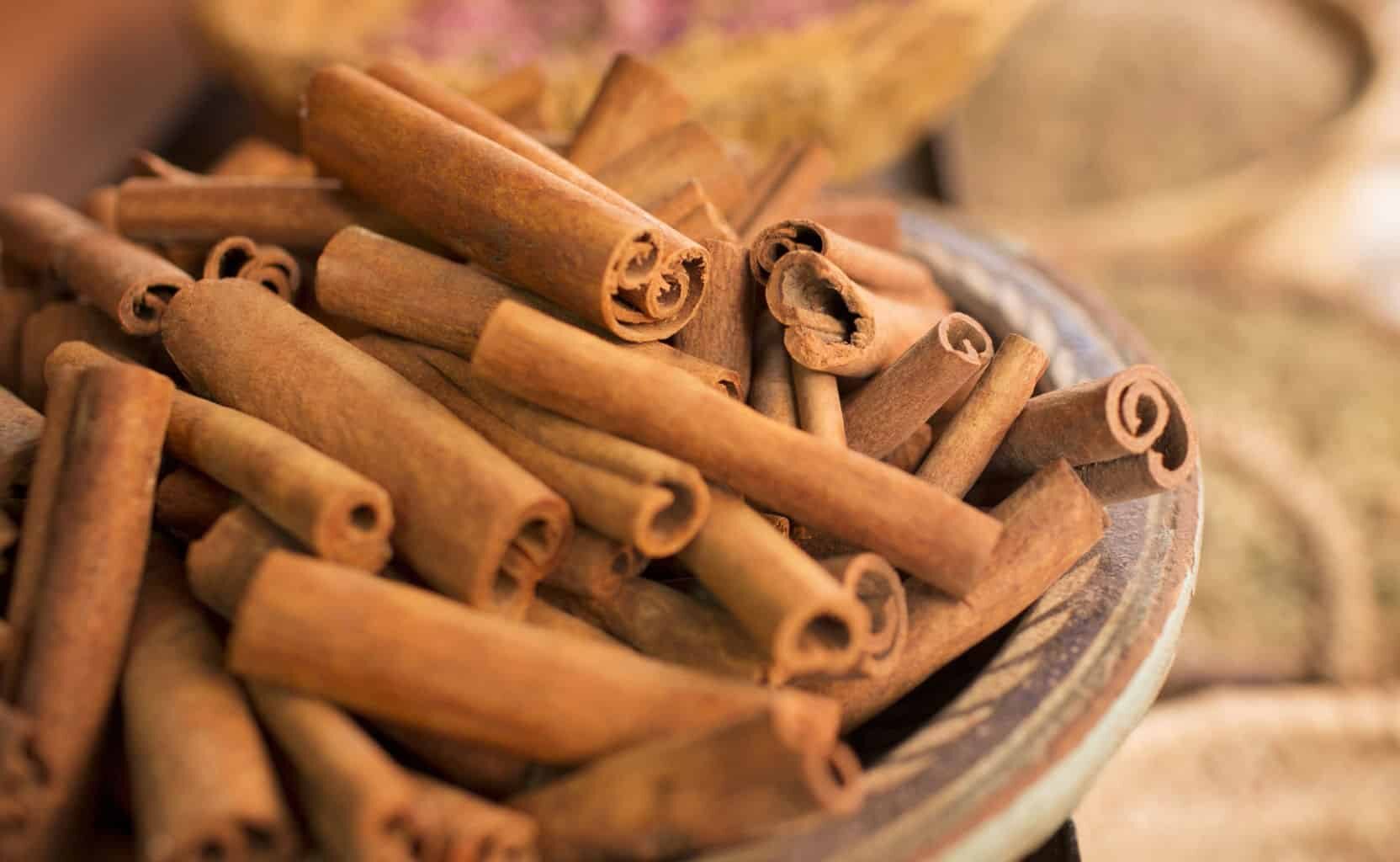
Two types dominate the market: cassia (Cinnamomum cassia, C. burmannii, or C. loureiroi) and Ceylon (Cinnamomum verum). Cassia is stronger in flavor and inexpensive but carries higher coumarin, a natural compound linked to liver stress at high intakes. Ceylon is milder and usually pricier, with much lower coumarin content. If you use cinnamon frequently, Ceylon is the safer long-term choice.
People often compare Ceylon vs cassia cinnamon for diabetes when picking a product. Powders are common for cooking, while capsules standardize intake for study-like dosing. Extracts may concentrate specific polyphenols and reduce coumarin, depending on the process. Quality varies by brand, and labels may not always identify the species. Consider buying from reputable sources that specify Cinnamomum verum when you want lower-coumarin options.
Dosing and Timing: From Food to Supplements
Clinical trials have tested widely different amounts. You will see ranges from about 1–2 grams of ground spice per day to standardized extracts near 120–360 mg. People often ask how much cinnamon per day for diabetes. Evidence does not show a single optimal dose, and individual tolerance matters. Many choose culinary amounts first and titrate cautiously while monitoring glucose values.
Timing may matter for some. Taking cinnamon with carbohydrate-containing meals could align potential effects with post-meal glucose excursions. Others spread intake across the day to limit stomach upset. Tea and food use remain practical starting points. For more beverage ideas aligned with glucose goals, see Five Effective Teas for Diabetes as you plan routines that fit your tastes.
Safety and Monitoring
Safety depends on type, dose, and duration. People most often report mild issues like stomach discomfort, heartburn, or mouth irritation. Rare allergic reactions can occur. The bigger concern is coumarin exposure from frequent cassia use, which may stress the liver in susceptible individuals. To lower risk, choose Ceylon for regular use and avoid large daily amounts of cassia.
Understanding cinnamon side effects for diabetics is important because multiple therapies and comorbidities are common. If you have chronic liver disease, abnormal liver tests, or a history of liver injury, speak with your clinician before using supplements. European risk assessments set a tolerable daily intake for coumarin; see the EFSA opinion on coumarin for details on intake limits and safety context. Track liver-related symptoms and consider periodic liver enzymes if you take higher-dose products.
Drug Interactions and Special Situations
The main concern is additive glucose-lowering when cinnamon is combined with medicines. Watch for symptoms of low glucose if you use insulin or sulfonylureas. Evidence for a specific cinnamon and metformin interaction is limited, but overlapping effects on glucose warrant caution. Review any herb–drug combination with your healthcare team, and increase home monitoring during the first weeks.
Some readers use GLP-1 therapy alongside nutrition strategies. For medication profiles and indications, see Ozempic Semaglutide Pens to understand how prescribed agents target glucose and weight. Natural products can complement care, but they do not replace proven pharmacotherapy. For interaction details and safety summaries, consult the MedlinePlus monograph on cinnamon when evaluating combinations and monitoring needs.
Evidence Snapshot: What Studies Show
Trials vary in design, dose, and participant profiles, which explains mixed outcomes. Some short studies report small improvements in fasting glucose and lipids, while longer, higher-quality trials are less consistent. Effects on A1C are similarly modest; evidence on cinnamon and A1C shows small average changes at best. Benefits, when present, appear more likely in early type 2 or insulin resistance rather than advanced disease.
Research remains active but inconclusive. Regulatory and academic reviews emphasize uncertainty and potential safety issues at high intake. For an objective overview, see the NCCIH review on cinnamon, which summarizes study quality, safety considerations, and gaps. Until stronger data arrive, use cinnamon as one supportive tool alongside diet quality, movement, and medication adherence.
Practical Uses: Tea, Food, and Extracts
Start with food. Add cinnamon to oatmeal, unsweetened yogurt, roasted squash, or coffee. A simple tea can be made by steeping a Ceylon stick or half-teaspoon of powder in hot water, then pairing with protein or fiber. This approach adds flavor without sugar. Combine with nutrient-dense meals to reduce post-meal spikes and maintain satisfaction.
Supplements may help standardize intake when cooking is impractical. Choose products that identify species and provide batch testing for contaminants. Remember that spice blends and ready-made drinks can include added sugars. For other beverage strategies with clinical context, see Diabetes and Green Tea, which reviews data on catechins and glucose control.
Who Might Consider It—and Who Should Avoid
People with early insulin resistance or prediabetes may try culinary amounts while tracking fasting glucose and post-meal patterns. Those with established type 2 can also explore food-based use; however, medication optimization remains primary. Individuals with active liver disease, pregnancy, or planned surgery should avoid supplements unless cleared by a clinician. If you prefer medication-focused strategies, review options in Diabetes Medications to understand classes and indications.
Some with PCOS and insulin resistance use cinnamon in small amounts as part of dietary changes. Evidence in gestational diabetes is limited, and safety data in pregnancy are insufficient. When adding any supplement, log glucose values, meals, and timing. This record helps your clinician interpret changes and adjust therapy appropriately. For spice-based comparisons and safety context, see Turmeric and Diabetes as another example with overlapping questions.
Recap
Cinnamon can support a glucose-conscious diet, but benefits are usually modest. Ceylon is preferred for frequent use because of its lower coumarin content. Keep doses conservative, choose food-first strategies, and monitor glucose changes. Discuss supplements with your care team, especially if you take medicines that lower glucose or have liver concerns. For more nutrition ideas that complement spice use, see Vegetables for Diabetes for practical, fiber-forward choices.
Note: Product names and links are provided for educational context only, not endorsements or recommendations.
This content is for informational purposes only and is not a substitute for professional medical advice.


