
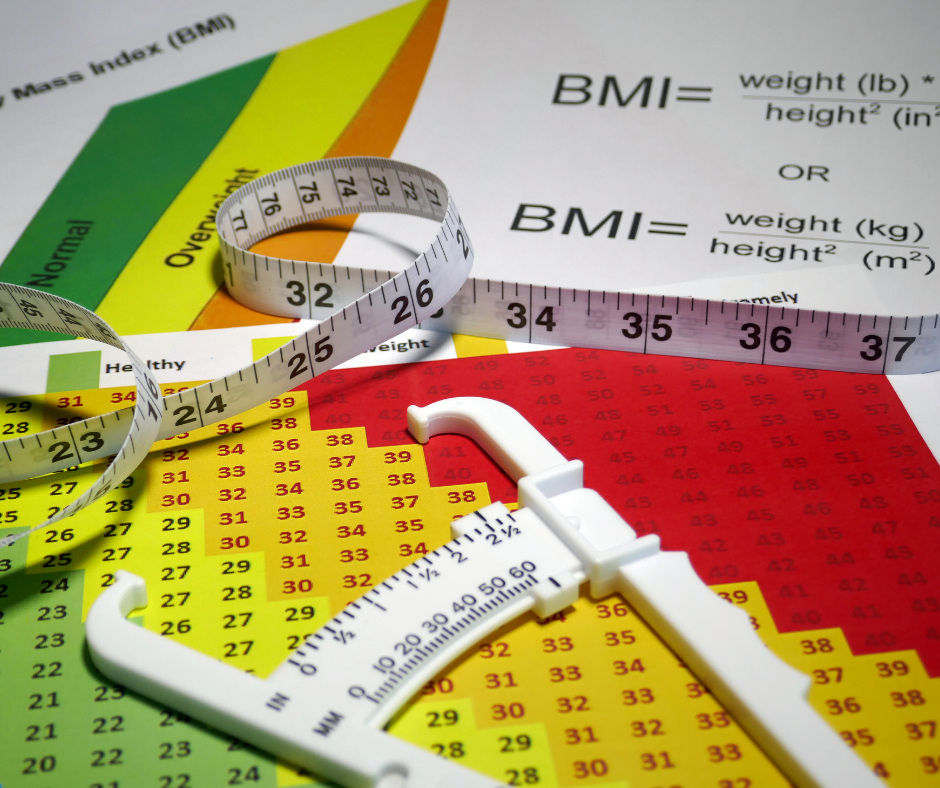
During Healthy Weight Week, many people revisit goals using body mass index. Start with basics, then layer better measures so decisions remain practical and safe.
Key Takeaways
- Simple screening tool: BMI helps flag weight-related risk, not diagnose health.
- Context matters: Muscle, age, and ethnicity can shift interpretations.
- Use multiple metrics: Combine BMI with waist size and body composition.
- Track trends: Re-measure on the same scale and schedule.
What Body Mass Index Measures and What It Misses
BMI estimates weight status from height and mass. Clinicians use it to stratify risk and guide conversations about cardiometabolic health. It is quick, reproducible, and useful for population screening. Still, BMI does not distinguish fat mass from lean mass or bone density, so two people with identical values can have different health profiles.
Interpretation improves when you add waist circumference, blood pressure, lipids, and fitness markers. Public health groups use BMI for surveillance and category cutoffs, but they also emphasize clinical context. For adult category definitions and limitations, see the Centers for Disease Control and Prevention resources, which describe evidence and thresholds (adult BMI guidance). For broader anthropometry background, the World Health Organization outlines how simple measures inform risk stratification (WHO standards overview).
Calculating BMI: Numbers, Categories, and Cutoffs
Most adults can calculate BMI using height and current weight. Categories commonly include underweight, normal range, overweight, and obesity classes. Category thresholds help frame disease risk, yet they do not prescribe treatment by themselves. Combine the number with symptoms, comorbidities, and goals.
If you compute values by hand, the bmi formula
is weight (kg) divided by height (m) squared. In U.S. customary units, multiply by 703 after dividing pounds by inches squared. Always measure height without shoes and use a calibrated scale. Recalculate if your weight changes by 2–3% or more, or every few months during a structured program.
Tip: Write down the date, scale type, and time of day. Small routines improve consistency and trend accuracy.
Using Charts Across Ages and Sex
Visual references help you interpret a number. A body mass index chart displays categories across height bands, allowing quick checks without calculations. Select a chart that matches your measurement units and note sex- and age-related differences where applicable. For adolescents, percentiles replace adult cutoffs, and growth patterns matter more than single snapshots.
Adult charts provide clarity for most people between ages 20 and 65. For older adults, modestly higher ranges may align with lower mortality risk in some studies, so discuss individualized targets. If you are building a plan that includes nutrition and activity, see our overview on Diet and Weight Loss for context on how charts support real-world decisions. The article links practical diet steps with medication-era tools to guide sustainable change.
Beyond BMI: Body Composition, Waist Measures, and Risk
Because BMI cannot separate fat from muscle, include body fat percentage when possible. You can estimate composition using bioelectrical scales, DEXA scans, or skinfold calipers; each method varies in cost and precision. Waist circumference adds cardiometabolic context by signaling central adiposity, which relates closely to insulin resistance and fatty liver risk.
Focus on patterns. Rising waist size at a stable BMI suggests shifting fat distribution, which can alter risk even without weight gain. For strategies that integrate waist control with GLP-1 therapies, our piece on GLP-1 Weight Loss Drugs explains mechanisms and outcomes to frame expectations. The National Institutes of Health also reviews how adiposity and fat location affect cardiometabolic risk (NIH risk overview).
Using a BMI Calculator: Practical Tips
Digital tools reduce math errors and standardize units. A bmi calculator can also store previous entries, making trends easy to review. Enter current height and weight with care, and repeat measurements under similar conditions to minimize noise. If you lift weights, test composition as well, so the number does not mislead you during muscle gain.
Note: Match units carefully. Switching between pounds and kilograms or feet and centimeters is the most common source of misclassification. For tailored goal setting with pharmacotherapy, compare approaches in Wegovy Weight Loss, which outlines indications and lifestyle pairing. This helps you see where calculators fit within comprehensive plans.
Common Input Pitfalls
Several small mistakes can skew results. Home scales may drift, so place them on hard, level floors and avoid carpet. Measure height without shoes and ensure the stadiometer or wall mark is accurate. Log time of day, as morning and evening weights can differ. Finally, update entries after significant changes in training, hydration, or medications that influence fluid balance. These routines help you interpret changes and avoid reacting to normal day-to-day variation.
Energy Needs and Recovery: Calculating Burn and Intake
Understanding daily energy needs supports long-term adherence and recovery. A bmr calculator estimates resting energy use, which you combine with activity levels to plan intake. Many platforms also provide a calorie calculator to translate plans into meal targets. Use conservative targets and reassess weekly to avoid fatigue, hunger, or plateaus.
For nutrition ideas that pair with medical therapy, our Mounjaro Diet guide outlines protein prioritization and fiber strategies. If medication is part of your plan, read Understanding Contrave Dosage to see how dosing intersects with appetite changes. Both references provide practical tables to simplify weekly planning.
Personalized Considerations Across Life Stages
Physiology changes with age, hormones, and medications. A bmi calculator by age can tailor expectations by reflecting shifts in body composition and sarcopenia risk. Children and teens should use pediatric percentiles, not adult categories, because growth velocity and puberty alter interpretation. For older adults, preserve muscle through resistance training and adequate protein intake.
Women may see cyclic fluid changes that can shift scale readings. Track across multiple cycles before changing targets. For food choices that support satiety and micronutrient intake, see Superfoods for Weight Loss, which summarizes nutrient-dense options to anchor meals. The article’s examples help you stabilize energy and reduce snacking between workouts.
Setting Goals and Monitoring Change
Work backward from health priorities. An ideal weight calculator can provide a starting range, but translate that range into behaviors you can repeat. Consider weekly step targets, progressive resistance training, and consistent sleep windows. Review data monthly to separate sustained trends from normal noise.
Medication can support behavior during appetite changes. For relapse prevention after GLP-1 therapy, read Ozempic Rebound for practical safeguards and taper strategies. If lifestyle changes stall, our overview on Contrave for Weight Loss explains mechanisms and candid expectations, which can help frame your next discussion with a clinician.
Compare Medications and Supportive Options
Some patients discuss anti-obesity medications with their clinicians. Comparative summaries, like Wegovy vs. Mounjaro, clarify mechanisms and typical effects, helping you decide whether pharmacotherapy belongs in your plan. Adjunctive tools such as nutrition shakes may aid calorie control during high-demand days.
For example, see Glucerna 1.2 Cal Vanilla for macronutrient composition details when planning meal replacements. If you are surveying therapeutic classes, review Xenical Capsules to understand fat absorption mechanisms, or Contrave Tablets to learn about appetite modulation. These pages offer labeled information that can support an informed conversation.
Where to Learn More
To scan broader strategies and case-based guidance, explore our Weight Management library. Product listings within the Weight Management Products category summarize indications and safety notes for clinicians and patients. For planning weekly adjustments during GLP-1 therapy, the 6-Week Ozempic Plan presents a structured timeline, while How Long Can You Take Ozempic reviews duration considerations and monitoring. Each resource reinforces using multiple measures rather than relying on a single number.
Recap
BMI is a useful screening tool, not a diagnosis. Strengthen any decision with body composition, waist measures, clinical markers, and consistent tracking. Use calculators and charts to simplify math, then focus on behaviors that fit your routine. Adjust your plan with objective data and professional input when needed.
This content is for informational purposes only and is not a substitute for professional medical advice.


