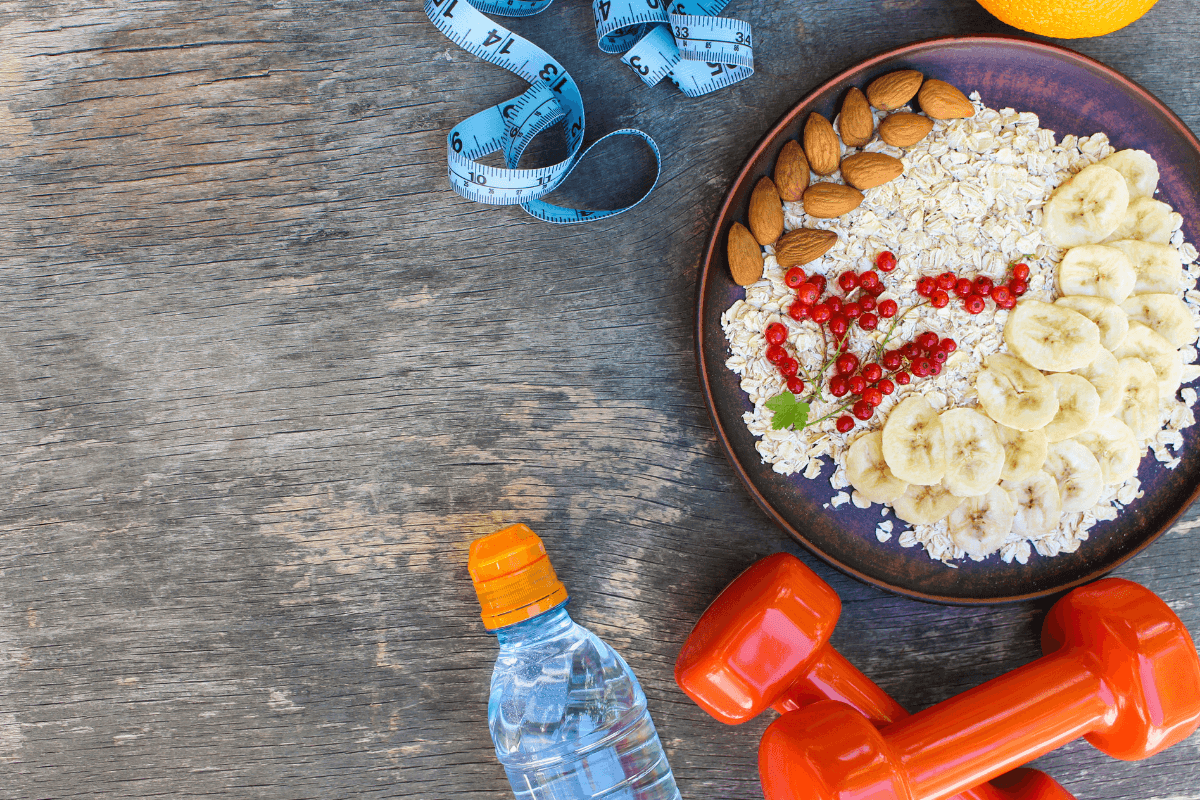
People want results, but safety and sustainability matter. The fastest way to lose weight still relies on a consistent calorie deficit paired with protein, fiber, movement, and sleep. This guide organizes what works, what to skip, and when to consider medical tools.
Key Takeaways
- Core method: modest calorie deficit plus protein, fiber, and movement.
- Short-term plans sharpen habits but avoid extreme deficits.
- Abdominal fat responds to total loss, not spot reduction.
- Medications can help selected patients under clinical supervision.
- Track, adjust, and protect sleep to sustain results long term.
What Is the Fastest Way to Lose Weight?
No shortcut beats physiology. Rapid change comes from a sustained energy deficit, while protecting lean mass with adequate protein and resistance training. Aim for nutrient-dense foods, steady hydration, and enough sleep to stabilize appetite cues. These pieces reinforce each other and reduce rebound risk.
Very low-calorie tactics may produce quick fluctuations, but they often sacrifice muscle and stall metabolism. U.S. public-health guidance emphasizes gradual, steady loss for safety and adherence; review the CDC’s healthy weight principles for context (CDC recommendations). Use that baseline, then adjust to your medical profile and constraints.
Calorie Deficit, Nutrient Density, and Metabolic Support
Build a modest deficit by trimming high-calorie, low-fiber foods and prioritizing protein at each meal. Many adults do well with 1.2–1.6 g of protein per kilogram body weight daily, adjusted to renal status and clinical guidance. Fill the rest with vegetables, whole grains, legumes, and unsweetened dairy. This approach improves satiety and preserves resting energy expenditure.
Anchor meals around lean proteins, bulky vegetables, and whole-food carbs. Example: Greek yogurt with berries and oats for breakfast; lentil and quinoa bowl with greens at lunch; salmon, high-fiber starch, and roasted vegetables at dinner. For broader strategies and research-based tips, see Weight Management Articles for structured, evidence-focused guidance.
Short-Term Plans: 7–14 Days
Short cycles can reinforce habits and reveal sticking points. A practical 7-day diet plan for weight loss might set a daily protein target, cap refined starches to one serving per meal, and include a vegetable at every eating occasion. Daily walks, light resistance moves, and a fixed bedtime round out the structure.
These cycles are not magic; they provide repetition and clarity. If you are exploring GLP-1 support alongside nutrition, review how dietary patterns interact with therapy in GLP-1 Diet and Weight Loss for practical pairing ideas. For timing considerations with semaglutide, see Ozempic Duration to understand long-term use factors.
Targeting Abdominal Fat Safely
Many chase the fastest way to lose belly fat, but spot reduction is not physiologically supported. Abdominal fat decreases as overall fat mass declines. Emphasize protein, fiber, and resistance training to preserve lean tissue, which helps maintain a higher resting energy burn. Waist progress often lags the scale; keep measuring monthly.
Hydration, consistent sleep, and stress management reduce water retention and late-night grazing. Unsweetened coffee or tea can support alertness, but avoid stacking stimulants. If you use beverages tactically, think of them as appetite aids rather than a magic weight loss drink. For broader population trends with incretin therapies, see GLP-1 Obesity Trends for context on mechanisms and outcomes.
Prescription Tools: When Are Weight-Loss Drugs Appropriate?
Some patients benefit from weight loss pills or injectables when lifestyle measures are insufficient. Indications typically include BMI thresholds and weight-related comorbidities, assessed by a clinician. Options include GLP-1 receptor agonists, gastric lipase inhibitors, and combination agents that modulate appetite pathways. These tools complement, not replace, nutrition and activity.
For GLP-1 information and eligibility discussions, see Wegovy for a concise overview of indications and use in chronic management. If fat absorption blockade is being considered, orlistat is an example; see Xenical for the mechanism and common considerations. For a regulatory overview of prescription options, the FDA provides a clear summary (FDA guidance).
Safety and Side Effects
Understand the side effects of weight loss pills and injections before starting therapy. GLP-1 agents often cause gastrointestinal symptoms, especially during dose escalation. Orlistat can lead to steatorrhea if dietary fat remains high. Stimulant-containing agents may raise heart rate or disturb sleep. Drug–drug interactions and contraindications require a clinician’s review.
Sleep quality influences appetite, mood, and adherence. If you notice sleep changes with incretin therapy, see Ozempic and Insomnia for potential contributors and mitigation ideas. For effects specific to other agents, this explainer on rest-related symptoms offers additional context: Wegovy and Sleep. Any new or severe symptoms warrant professional evaluation.
How to Work With Your Clinician
Prepare for the visit by stating goals, history, and constraints. If you’re unsure how to begin, practice how to ask your doctor for weight loss pills in plain terms: describe what you have tried, your health conditions, and what you can sustain. Ask about expected benefits, monitoring, and exit plans if the medication is ineffective or poorly tolerated.
Bring a one-week food log, activity summary, and prior labs. If insulin resistance or prediabetes is present, targeted strategies can assist; see Insulin Resistance Weight Loss for practical adjustments. Discuss travel, storage, and routine disruptions as well; continuity prevents missed doses and diet drift. For relapse prevention after discontinuation, review Ozempic Rebound to plan maintenance tactics.
Diet-Only Approaches: Pros and Limits
People often ask about the fastest way to lose weight without exercising. Diet can drive early change, especially by reducing ultra-processed foods, sugary beverages, and alcohol. Still, resistance training preserves muscle, and light daily movement increases energy expenditure without adding excessive hunger. Even short walks improve glycemic control and sleep quality.
Public-health guidance recommends regular aerobic and muscle-strengthening activity for cardiometabolic health. If you need a benchmark, review government recommendations on weekly minutes and intensity for adults (U.S. activity guidelines). Think of movement as a dial: if life is hectic, maintain steps and a single brief strength session to protect muscle during a deficit.
Sustainable Habits and Monitoring
If you prefer lifestyle-first methods, focus on how to lose weight naturally while keeping habits realistic. Track intake three days a week, weigh weekly, and adjust in 100–200 kcal steps when fat loss stalls for two to three weeks. Keep protein steady while modulating carbohydrates and fats based on hunger and training response. Schedule deload weeks if fatigue rises.
Use environmental cues: pre-portion snacks, keep fruit visible, and pack high-protein options for work or travel. If treatment includes GLP-1s, plan for continuity during trips; see Travel With Ozempic for dose handling and routine tips. To browse structured topics and tools, visit the Weight Management Category for an organized view of therapies and supports.
Recap
Quick results come from consistent fundamentals, not tricks. Build a manageable deficit, protect lean mass, and keep routines simple enough to repeat. Medications may help under clinical guidance, but they work best alongside nutrition, sleep, and resistance training. Track, review, and adjust to sustain progress without sacrificing health.
Note: Extreme methods can cause harm, including nutrient deficiencies and muscle loss. Prioritize safety and regular check-ins with a clinician if you use prescription therapies or have chronic conditions.
This content is for informational purposes only and is not a substitute for professional medical advice.