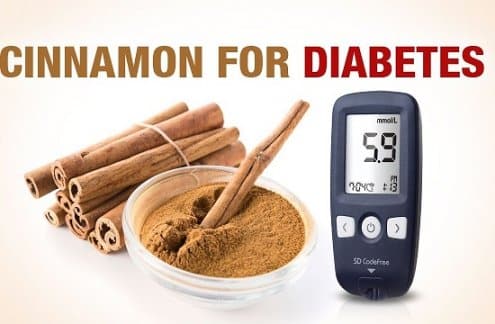
Cinnamon is popular for blood sugar control, but evidence is mixed. When people ask about the best type of cinnamon for diabetes, they typically compare Ceylon and cassia. Understanding differences in safety, dosing, and forms helps you use it more thoughtfully. This guide reviews research, practical use, and cautions alongside standard diabetes care.
Key Takeaways
- Type matters most: Ceylon has far less coumarin than cassia.
- Evidence is mixed; effects are small and variable across trials.
- Use food-first strategies; treat cinnamon as an adjunct.
- Mind safety: coumarin, liver risk, allergies, and interactions.
- Discuss with your clinician if you use supplements regularly.
What the Research Shows on Cinnamon and Glycemia
Clinical trials show modest and inconsistent effects on fasting glucose and A1C. Study designs vary in dose, species, and duration, which explains conflicting results. Some small studies report improved glycemic markers, while others find little to no change. This means expectations should stay conservative, especially if medications and diet are already optimized.
People often ask, does cinnamon lower blood sugar. Limited evidence suggests small benefits in certain groups, including those with higher baseline glucose. However, results rarely match the impact of structured nutrition therapy or prescribed medicines. For a broader overview of spice use in diabetes and context for lifestyle measures, see Cinnamon and Diabetes for study summaries and practical context. A neutral review from the National Center for Complementary and Integrative Health notes the overall uncertainty in efficacy.
Best Type of Cinnamon for Diabetes
Between Ceylon (Cinnamomum verum) and cassia (Cinnamomum cassia and relatives), composition differs. Ceylon contains very low coumarin, a natural compound linked to liver toxicity at high intakes. Cassia usually contains much more. If you plan to use cinnamon regularly, Ceylon is the safer long-term choice on coumarin exposure alone.
Choosing a type is only one decision. Product quality matters, including accurate species labeling and third-party testing. Taste also differs; Ceylon is lighter and more delicate, while cassia is stronger and spicier. Pick a form and flavor profile that you can sustainably integrate without displacing nutrient-dense foods.
Cassia vs. Ceylon: Composition, Taste, and Safety
When discussing cassia vs ceylon cinnamon for diabetes, safety profiles are central. Cassia’s higher coumarin content raises concern when used daily or at larger amounts. Ceylon offers lower coumarin exposure, which is important for people who plan steady, long-term use. Labels should state species; if unclear, consult the seller for documentation.
European authorities set a tolerable daily intake for coumarin at about 0.1 mg/kg body weight. This threshold can be exceeded with modest cassia doses if used daily in sensitive individuals. For background on coumarin risk thresholds and regulatory views, the EFSA assessment provides detailed guidance. Flavor preferences also differ: cassia adds punch to baking, while Ceylon blends smoothly into yogurt, coffee, or tea.
Tip: If you use cinnamon most days, consider switching to Ceylon to reduce coumarin exposure while keeping flavor and flexibility.
Dosage and Timing: How to Use Cinnamon
People often ask how much cinnamon for diabetes. There is no standardized medical dose, and trials used a wide range of amounts and forms. Many dietitians suggest treating cinnamon as a culinary spice, not a primary therapy. Start small, monitor glucose trends, and avoid escalating intake to compensate for diet or medication lapses.
Timing depends on your routine and tolerance. Some people sprinkle it on breakfast or add it to snacks, aiming to pair it with fiber and protein for steadier glycemia. If you experiment with timing around meals, track pre- and post-meal readings for a few weeks to gauge any pattern. For breakfast planning and glycemic-friendly meals, the ideas in Type 2 Diabetes Breakfast Ideas can help build a consistent routine.
Forms and Preparation: Powder, Tea, Capsules
Whole spice and ground powder are familiar kitchen options. Capsules and extracts offer convenience and dose consistency, but quality varies. If you choose pills, look for clear species labeling and third-party testing. Some people prefer beverages; cinnamon tea is a simple, low-calorie option for adding flavor without sugar.
Supplement decisions should be pragmatic. If you pursue cinnamon supplements for diabetes, align the form with your goals and tolerance. Home cooking offers flexibility and lower cost, while capsules may fit travel or workplace settings. For beverage alternatives that do not add sugar or calories, see Diabetes and Green Tea for antioxidant-focused options and preparation tips. Snack planning that avoids added sugars also matters; the guidance in Healthy Snacking may help structure choices.
Mechanisms: Insulin Sensitivity and Satiety
Laboratory studies suggest polyphenols and aromatic compounds could influence insulin signaling, digestive enzyme activity, and gastric emptying. These pathways may help explain subtle changes in post-meal glucose seen in some trials. Real-world effects depend on baseline diet quality, physical activity, and adherence to medications. Therefore, cinnamon should complement—not replace—core treatments.
Researchers often explore cinnamon and insulin sensitivity using surrogate markers and small cohorts. While some findings are encouraging, effect sizes remain modest and variable. You will likely see greater metabolic benefit by improving sleep, activity, and meal composition. For behavior-first strategies that target the same physiology, see Improving Insulin Sensitivity for structured, stepwise approaches.
Safety and Side Effects
Common concerns include mouth irritation, reflux, and allergic reactions. More serious risks involve liver stress linked to coumarin, especially with cassia and in people with underlying liver disease. If you develop unusual fatigue, dark urine, or right-upper-quadrant discomfort, stop use and seek medical advice. Avoid concentrated products during pregnancy unless your clinician agrees.
It is important to understand cinnamon side effects for diabetics. People with existing liver conditions, those on hepatotoxic drugs, and individuals with bleeding risks should exercise caution. For background on coumarin-related liver injury, see the NIH LiverTox review for mechanism and case summaries. Keep products away from children, and do not use essential oils internally.
Note: The safest approach is culinary amounts of Ceylon in balanced meals, alongside regular monitoring and medication adherence.
Drug Interactions and Special Populations
Some individuals ask about cinnamon and metformin interaction. While direct interactions are not well established, combining glucose-lowering agents with supplements that may influence glycemia can increase hypoglycemia risk in sensitive cases. This is more relevant if you also take insulin or sulfonylureas. If you adjust your spice or supplement routine, monitor fingerstick or CGM trends closely.
Extended-release metformin products are common in type 2 diabetes care. For background on one branded option and how it fits into therapy, see Glumetza for indication context and dosing formulations. If you use combination therapies, resources on Janumet Xr can help frame DPP-4 plus metformin regimens. For patients on GLP-1 receptor agonists, the overview of Ozempic Semaglutide Pens offers useful background on mechanisms and clinical use. General guidance from the American Diabetes Association Standards emphasizes that supplements should not replace proven therapies.
Practical Alternatives and Complementary Spices
Cinnamon can enhance flavor without sugar, but it should live within a broader pattern that prioritizes fiber, lean protein, and unsaturated fats. Other spices and herbs—like turmeric and ginger—may support meal satisfaction and reduce reliance on added sugars. Pair spices with whole foods such as oats, legumes, nuts, yogurt, and colorful vegetables.
If you are building glucose-friendly menus, the frameworks in Food For Diabetics explain plate balance and swaps. For snack structure and portion planning between meals, see Healthy Snacking for practical, portable ideas. Keep a simple log of meals, activity, sleep, and glucose, then adapt your spice use to patterns that match your goals.
Recap
Cinnamon may offer small, inconsistent glycemic benefits, with Ceylon favored for lower coumarin. Use it as a culinary adjunct, not a substitute for medical therapy. Focus on consistent meals, regular activity, and evidence-based medications, then layer spices for flavor and adherence. Reassess your approach every few months with your care team.
This content is for informational purposes only and is not a substitute for professional medical advice.