
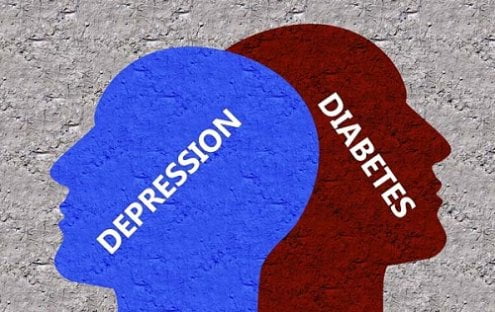
Many people live with diabetes and depression at the same time. The two conditions can interact, making daily management harder and increasing health risks. This guide explains how they connect, what warning signs to watch, and how screening and treatment can help.
Key Takeaways
- Two-way link: Mood symptoms can worsen glucose control, and unstable sugars can aggravate mood.
- Screen early: Routine screening during diabetes visits catches problems sooner.
- Treat safely: Integrated care, psychotherapy, and careful medication choices support both conditions.
- Watch risks: Sleep issues, pain, and social stress often amplify symptoms.
- Plan follow-up: Clear referral pathways and crisis safeguards protect patient safety.
What Is Depression? Definitions and Types
Clinicians define depression as a mood disorder with persistent low mood, anhedonia (loss of interest), and cognitive or physical changes. In practice, symptoms often include sleep disturbance, appetite changes, slowed thinking, and feelings of worthlessness. A clear depression definition supports consistent screening and shared understanding between patients and clinicians.
Several forms exist, including major depressive disorder, persistent depressive disorder (dysthymia), and depression within bipolar spectrum disorders. Symptoms can range from mild to severe, with functional impairment varying by person. For a plain-language overview, see the National Institute of Mental Health’s resource on depression, which outlines symptoms and treatments (NIMH on depression).
The Link Between diabetes and depression
Research consistently shows higher rates of depressive symptoms among people with diabetes. Daily self-management tasks, financial pressures, and fear of complications are meaningful burdens. Physiologically, inflammation, hypothalamic-pituitary-adrenal (HPA) axis changes, and glycemic variability (blood sugar swings) may interact with neural circuits that regulate mood.
Real-world consequences include missed appointments, less frequent glucose checks, and inconsistent medication use. This pattern can worsen hyperglycemia, which in turn can drive fatigue, cognitive slowing, and irritability. For a broader overview of psychosocial concerns in diabetes care, see our editorial on Diabetes and Mental Health for context on motivation, stigma, and coping skills.
Clinical guidance recommends screening, referral, and integrated treatment within routine diabetes visits. The American Diabetes Association emphasizes psychosocial care as a core standard, including structured assessments and collaborative plans (ADA psychosocial care). Implementing these steps can reduce complications and improve quality of life.
Bidirectional Risks: Can Each Condition Trigger the Other?
Depressed mood may reduce energy and planning, leading to skipped meals, missed medications, and poor sleep. Over time, these behaviors can destabilize glucose and amplify distress. Conversely, chronic hyperglycemia may disrupt sleep, promote fatigue, and increase inflammation, which can affect neurotransmission related to mood.
Some studies explore whether can depression cause diabetes through behavioral and biological pathways. Antipsychotics and certain antidepressants can also raise weight or insulin resistance, adding risk in predisposed individuals. Managing stress and improving sleep are practical targets; for stress-related glucose changes, see our primer Stress and Diabetes for strategies that complement therapy.
Screening, Assessment, and When to Refer
Primary care and endocrine teams should screen routinely at diagnosis and at least annually, with extra checks during major life changes. Brief tools such as the PHQ-2 and PHQ-9 support efficient triage, though clinical interviews remain essential. These tools flag severity, suicidal ideation, and functional impact.
Patients often ask, “why does diabetes cause depression” when dealing with burnout, sleep disruption, and pain. Screening should also probe anxiety, substance use, and trauma, which can undermine diabetes self-care. For practical coaching on emotional fatigue, see Diabetes Burnout Tips to normalize experiences and offer coping ideas. Because fatigue blurs mood and metabolic symptoms, the Diabetes Fatigue Guide can help patients and caregivers separate causes.
Note: If a patient reports self-harm thoughts, escalate immediately to crisis procedures and urgent evaluation. Safety planning, lethal means counseling, and same-day behavioral health contact are standard steps in many practices.
Treatment Options and Safety Considerations
Effective care combines education, psychotherapy, and medical management. Cognitive-behavioral therapy (CBT) and problem-solving therapy help patients structure routines, challenge unhelpful thoughts, and improve adherence. Coordinated care between primary care, endocrine, and behavioral health improves tracking and reduces fragmentation.
For some, diabetes depression treatment includes antidepressants. Choice depends on prior response, side effects, comorbidities, and preferences. Monitor weight, blood pressure, and A1C when starting or changing therapy. Consider drug–drug interactions with glucose-lowering medications and avoid agents that markedly increase appetite if weight gain is a concern.
Medication Choices and Metabolic Risks
Selective serotonin reuptake inhibitors (SSRIs) are widely used; fluoxetine and sertraline have relatively neutral profiles for many patients. When weight gain is a major concern, bupropion may be considered because it is often weight-neutral. To understand one SSRI’s profile, see Fluoxetine capsules for approved uses and precautions referenced on product labeling. For an alternative, Bupropion SR may suit patients prioritizing lower weight impact and smoking cessation support.
Some patients take antipsychotics for mood stabilization or augmentation. These agents can vary in metabolic effects. As an example of a potentially weight-sparing option, see Latuda medication when clinicians consider alternatives within atypical antipsychotics. If aripiprazole is part of a regimen, review our Abilify Side Effects Guide to discuss metabolic monitoring and movement-related symptoms.
Beyond medicines, structured diabetes education, sleep hygiene, and activity plans improve outcomes. Physical activity supports insulin sensitivity and often improves mood. Dietitians, diabetes educators, and therapists can align goals so that changes are realistic and sustainable.
Special Populations and Triggers
Hormonal shifts and caregiving demands can increase risk after childbirth. Screening for postpartum depression during diabetes follow-up is prudent, especially for patients with gestational diabetes history. For public-health guidance, see the Centers for Disease Control and Prevention’s overview of maternal mental health (CDC postpartum depression), which outlines signs and care pathways.
Seasonal patterns also matter. Short daylight and disrupted routines may worsen mood in seasonal affective disorder, while high summer heat can complicate glucose control and sleep. Bipolar spectrum features require careful evaluation; antidepressant monotherapy may destabilize mood in bipolar depression. Screen for reduced need for sleep, racing thoughts, and impulsivity when history suggests bipolar depression symptoms.
Statistics, Research, and Patient Education
Population studies show higher prevalence of depressive symptoms among people with diabetes. Access to care, comorbid conditions, and socioeconomic factors influence risk. Consistent tracking of diabetes and depression statistics helps clinics benchmark and improve their outreach. Clinics may use registries to monitor screening completion, treatment uptake, and follow-up intervals.
Patients benefit from clear education handouts, group classes, and peer support. Provide reading lists and explain how symptoms can fluctuate with glucose changes, sleep, and stress. For continuing reading, browse our Mental Health Articles to find practical strategies that complement medical care. Teams can also align internal protocols with external guidance; for example, the ADA’s psychosocial standards reinforce systematic screening and referral (Standards of Care).
Recap
Mood and metabolic health interact in meaningful, practical ways. Skilled screening, integrated therapy, and careful medication choices can improve both glycemic control and daily well-being. Small, sustained steps — regular sleep, movement, and support — compound over time.
This content is for informational purposes only and is not a substitute for professional medical advice.


