

Injection-site skin and fat changes can disrupt insulin absorption and glycemic control. Early recognition and prevention help reduce unexpected highs or lows. In this guide, we explain what lipodystrophy means for people with diabetes, which habits raise risk, and how to adjust technique for safer, more consistent dosing.
Key Takeaways
- Rotate sites consistently to reduce tissue damage and absorption swings.
- Use fresh, short needles and avoid reusing to minimize trauma.
- Inspect and palpate sites monthly; skip any lumped or dented areas.
- Expect dose adjustments after switching away from damaged tissue.
Understanding Lipodystrophy in Diabetes
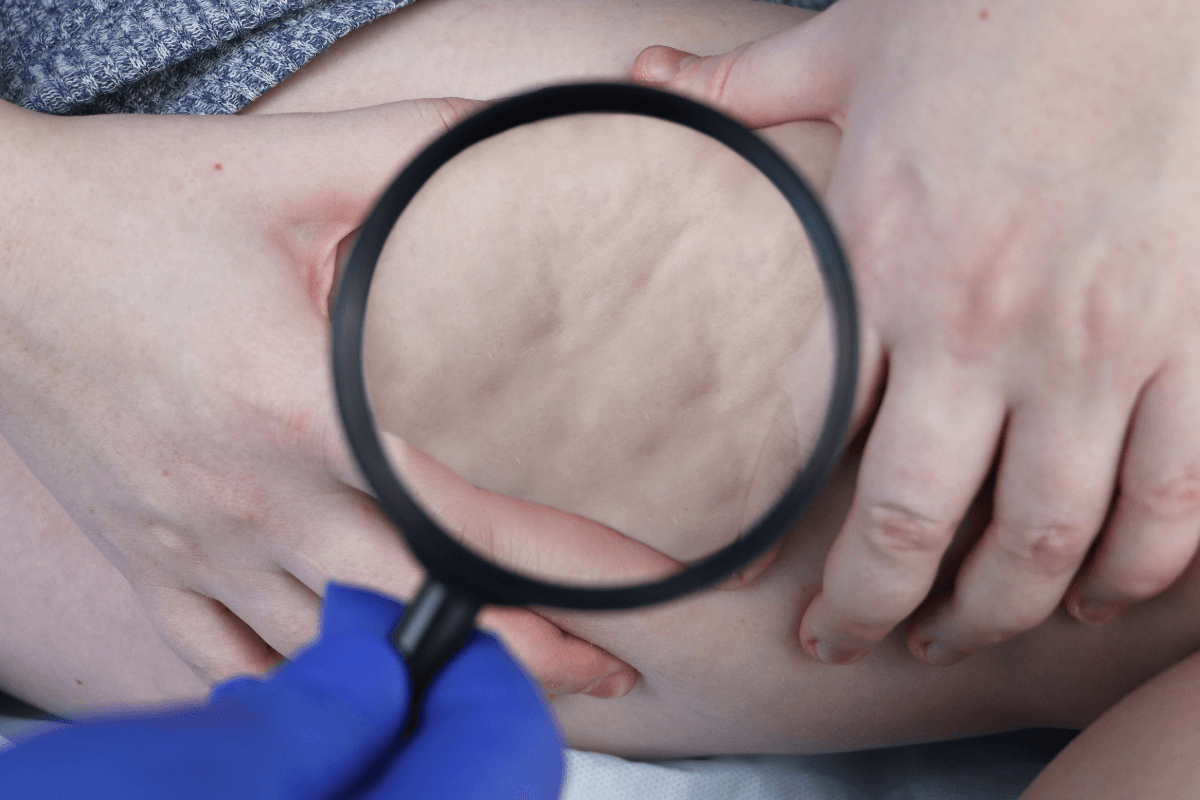
Lipodystrophy describes abnormal fat changes at or near injection or infusion sites. It includes two main patterns: fat build-up (lipohypertrophy) and fat loss (lipoatrophy). Lipohypertrophy (fat thickening) often feels rubbery and can look swollen or lumpy. Lipoatrophy (localized fat loss) appears sunken or sharply indented.
Both patterns may alter insulin uptake, leading to erratic peaks and unpredictable glucose readings. Over time, this variability can complicate titration and increase hypoglycemia risk. Care teams often recommend proactive inspection and technique refreshers to reduce these effects.
Causes and Risk Factors
Repeated mechanical trauma from frequent injections in the same spot is the most common driver. Needle reuse, larger gauge needles, and injecting into cold tissue can worsen local injury. Higher daily dose, frequent corrections, and poor rotation also raise risk. Among the contributors, lipodystrophy causes often cluster around technique, frequency, and site selection.
Formulation factors may contribute. Some older insulin types were more immunogenic, and immune reactions can influence localized fat loss. Pump infusion sets, when left in place too long or sited in stressed tissue, may cause similar changes. Technique refreshers and device checks help address these modifiable risks.
Signs, Patterns, and How It Affects Insulin
People may notice uneven contours, thickened pads, or dents under the skin. Lumps can feel rubbery, while atrophy feels thin and hollow. You might also see bruising or tenderness where devices rest. Unexplained glycemic variability is common, particularly if injections or cannulas repeatedly land in affected zones.
Typical red flags include rising dose needs without clear cause, frequent lows after site changes, and inconsistent time-to-peak. When these appear, review site selection and injection habits promptly. Clinicians may document patterns as part of lipodystrophy symptoms before adjusting therapy.
Prevention With Rotation and Technique
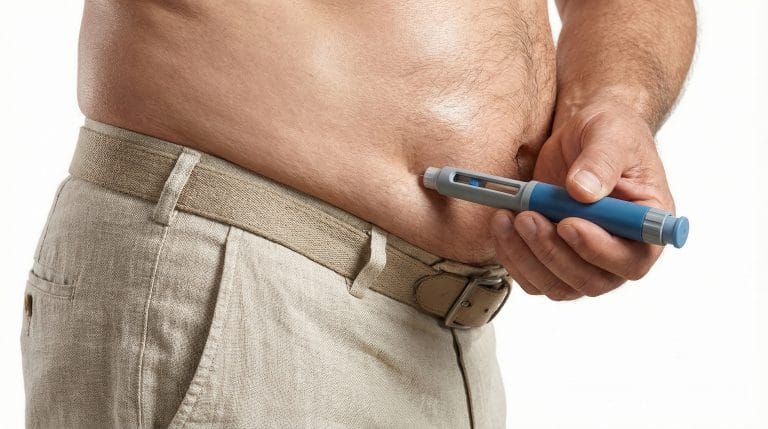
Consistent rotation reduces tissue injury and supports steadier insulin uptake. Use the full approved area (abdomen, thighs, buttocks, upper arms) and divide zones into smaller sub-areas. Move at least a finger-width between spots. Keep a simple diagram or app-based map to avoid repeated use of the same micro-area.
Use new, short needles for each dose to minimize trauma. Consider needle length that matches your body habitus. Avoid injecting through clothing, and let alcohol dry before piercing the skin. If a site hurts, bleeds, or resists flow, choose a different location for the next dose. For rotation patterns and spacing details, see Humalog Injection Sites Instructions, which outlines practical steps.
Technique Tune-Ups That Make a Difference
A gentle, 90-degree angle with a short pen needle suits many adults; slim individuals may benefit from a skinfold. Inject at a comfortable room temperature; cold devices can increase discomfort. Count a few seconds before withdrawing the needle to reduce leakage. Consider finer-gauge options; for reducing tissue trauma, see BD Nano Pro Pen Needles, which offer ultra-fine diameters.
Insulin delivery devices vary, and switching forms may change technique details. For background on device formats and handling, review Insulin Cartridges Types and Benefits, which explains reservoirs and compatibility. If you use syringes, using appropriate gauges and avoiding reuse matters; for needle options, see BD Needles Uses and Benefits for size and feature comparisons.
Policies and labels also stress rotation. In recent technique statements, experts emphasize structured site mapping to prevent lumps. For evidence-based recommendations on injection practice, the FITTER guidance discusses how rotation reduces local tissue changes in published consensus documents. Many insulin labels echo similar cautions to rotate sites to reduce skin reactions; the official glargine label notes this specifically in prescribing information.
Terms matter, too. Lipohypertrophy (pronounced “ly-po-hy-PER-tro-fee”) refers to thickened pads from repeated use. Lipoatrophy is the sunken counterpart. Both are part of the wider condition; for clarity, some teams use plain-language descriptions like “lumps” or “dents” during education.
Finally, build rotation into daily routines. Pair dose timing with a site map, and log where you injected. If you change insulin types or devices, revisit technique. For basal devices and priming reminders, see Lantus Insulin Pen Guide for practical handling tips.
In prevention discussions, you may hear the phrase lipodystrophy insulin injection sites. This refers to how site choices and spacing influence local tissue responses and absorption consistency.
Diagnosis and Monitoring
Diagnosis is typically clinical: visual inspection and palpation detect most lumps or dents. Use good lighting and a slow, systematic sweep across common areas. Pads often feel rubbery, sometimes with decreased sensation. Indented zones can be cool and relatively numb compared with nearby skin.
When findings are uncertain, clinicians may use ultrasound to assess tissue thickness and echo patterns. Rarely, biopsy clarifies atypical reactions or rules out an alternative cause. Keep a simple monthly check: inspect, palpate, and update a rotation grid. Share any changes with your care team when discussing dose adjustments or unexplained variability.
Management Options: What Helps and What Doesn’t
The first step is strict avoidance of affected zones. Once you switch to healthy tissue, absorption often becomes more predictable, and doses may need reevaluation. Gentle massage is not proven to help and may worsen bruising. Heat packs near injections are generally discouraged due to altered uptake.
Technique refreshers, shorter needles, and expanded rotation are the mainstays of lipodystrophy treatment. In rare legacy cases of atrophy, clinicians may consider targeted pharmacologic strategies, but evidence is limited. Cosmetic procedures can sometimes address persistent dents, though risks and benefits must be weighed carefully. Always align changes with individualized medical guidance.
Device choices also matter. When changing basal insulin pens or schedules, confirm proper priming and site selection to avoid re-injury. For background on basal options and their uses, see Tresiba Uses for duration and timing context. If you require syringes for dosing, minimizing repeated passes helps; see BD Ultra-Fine II Syringes for gauge considerations.
Special Contexts: HIV and Antiretrovirals
Some people living with HIV experience fat redistribution that differs from injection-related changes. Antiretroviral regimens, chronic inflammation, and individual susceptibility can play roles. Central fat gain, limb thinning, and facial changes may occur, sometimes alongside metabolic shifts. Distinguishing these patterns from localized injection effects is important for clinical planning.
Evidence-based care focuses on regimen review, cardiometabolic risk reduction, and individualized support. For an overview of mechanisms and management approaches, NIH HIV resources summarize key points in accessible fact sheets. Clinicians consider the broader picture when discussing lipodystrophy hiv within endocrine and infectious disease care.
Everyday Scenarios and Mistakes to Avoid
Do not inject into obvious lumps or dents, even if it is comfortable. That area often absorbs unpredictably. Instead, map a new zone and spread doses across it. Expect different glucose responses for several days after switching away from an injured area.
Avoid reusing needles, injecting through clothing, or clustering doses into a small patch of skin. Keep a rotation log near your meter or app. If you rely on rapid-acting analogs, technique still matters; for a comparison that highlights onset differences, see NovoRapid vs Humalog, which aids timing decisions. If you are new to a specific device, review setup steps in How to Use Basaglar KwikPen to reduce priming errors.
Cold weather or chilled devices can increase sting. Let pens reach room temperature before use. If you experience recurrent issues, review your technique with a clinician or educator. For a broader set of learning resources, browse Diabetes Articles to reinforce fundamentals.
Putting It Together
Most injection-site issues improve with better rotation, fresh needles, and skipping damaged tissue. A quick monthly inspection routine helps catch early changes before they alter insulin absorption. When glucose swings appear suddenly, reconsider site selection, technique, and device handling before changing doses.
Your care plan may evolve after moving away from affected areas. Discuss trends, timing, and any unusual site reactions during consultations. This practical approach improves consistency and reduces the downstream effects of lipodystrophy diabetes on daily management.
Note: Labels and expert statements consistently recommend rotating sites and avoiding damaged areas. Following these fundamentals supports steadier glucose patterns with fewer surprises.
This content is for informational purposes only and is not a substitute for professional medical advice.