
Key Takeaways
- High glucose, dry mouth, and gum disease drive odor.
- Fruity, acetone-like breath can signal ketone build-up.
- Medications and infections may worsen halitosis and taste.
- See urgent care if breath changes with illness or vomiting.
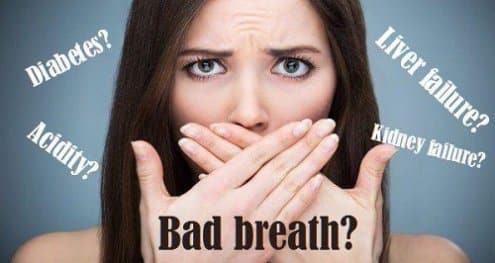
Many people notice breath and body odor changes alongside glucose swings. Understanding links between diabetes and bad breath helps you spot problems early and act quickly. This guide explains mechanisms, red flags, and practical steps that fit everyday care.
Diabetes and Bad Breath: Why It Happens
Poorly controlled glucose can reduce saliva, a condition called xerostomia (dry mouth). Saliva buffers acids, washes away food debris, and limits bacterial overgrowth. When flow falls, odor-producing bacteria flourish and sulfur compounds linger. At the same time, high glucose in saliva may feed oral microbes, which increases plaque and gum inflammation.
Diabetes also raises risk for periodontitis (advanced gum disease), which can add a persistent, foul smell. For a broader mouth–system link overview, see Diabetes and Oral Health for periodontal risk pathways. If you need a deeper dive into mechanisms and clinical signs, see Periodontitis in Diabetes for inflammation and bone-loss drivers. Finally, if ketones rise during illness or insulin deficiency, acetone can diffuse into breath and create a fruity odor.
These pathways often overlap, which explains why odor fluctuates with hydration, meals, medications, and infections. Addressing each driver—glycemia, saliva, oral hygiene, and gum health—usually gives the most reliable improvement.
Odor Profiles: What Different Smells Suggest
People describe several types of bad breath smells in everyday language. A fruity or nail-polish-like scent often reflects acetone from ketone metabolism, particularly during fasting, low-carb eating, or insulin deficiency. A rotten-egg or sulfur smell usually points to volatile sulfur compounds from oral bacteria on the tongue or below the gumline. A musty or cheesy smell may suggest oral thrush from Candida overgrowth, especially with dentures or recent antibiotics.
Ammonia-like breath can reflect uremic changes in advanced kidney disease. A fecal or putrid smell sometimes accompanies deep periodontal pockets. Because gum inflammation is a frequent contributor in diabetes, review cleaning strategies in Periodontal Gum Disease for pocket control and maintenance. Track patterns over time, and note links with meals, dry mouth on waking, recent infections, or new medications.
Sweet Breath Without High Glucose
A sweet or fruity odor can occur with sweet-smelling breath not diabetes, including prolonged fasting, strict ketogenic diets, heavy exercise, or gastrointestinal illness with restricted intake. In these settings, the body burns fat and produces ketones despite normal glucose. Children and very lean adults may show this pattern more during viral illnesses. Odor should ease as carbohydrate intake and hydration normalize.
Still, persistent sweetness with nausea, abdominal pain, or rapid breathing warrants prompt testing. When breath changes are confusing, compare symptoms and lab features with Ketosis vs. Ketoacidosis for a practical differentiation checklist. Track your glucose and ketones during illness, and keep sick-day guidance accessible.
Red Flags and When to Seek Urgent Care
Rapidly changing breath with deep, rapid breathing, dehydration, vomiting, or severe fatigue can reflect diabetic ketoacidosis (DKA). This is an emergency that requires immediate evaluation. People using SGLT2 inhibitors can rarely develop euglycemic DKA, where glucose is not very high but ketones still build up. Do not delay if symptoms stack up, particularly during infection or missed insulin.
During sick days, increase monitoring and hydration. If you cannot keep fluids down, seek care. For symptom lists and safety steps, review the ADA DKA overview provided by a national diabetes organization. If breath changes occur with chest pain, neurological symptoms, or confusion, call emergency services. For broader complication patterns, see Diabetes Complications to recognize early warning signs.
Checking at Home and in Clinic
Glucose meters and fingersticks remain the foundation for monitoring. Ketone strips for urine or blood help assess fat metabolism during illness. Research explores a potential diabetes breath test by measuring acetone, isopropanol, or other volatiles. These devices aim to estimate metabolic status, but most are not validated for day-to-day glucose decisions.
Because hydration, diet, and exercise can shift breath analytes, interpret readings cautiously. Clinical correlation still matters. For current evidence and limitations, see this NIH review on breath acetone summarizing accuracy and confounders. If ketones are positive with symptoms, prioritize standard testing and medical assessment. For individuals at higher DKA risk, skim Type 1 Complications for patterns tied to insulin deficiency.
Medications, Dry Mouth, and Oral Health
Many chronic medications reduce saliva and worsen oral odor. Antihistamines, some antidepressants, and diuretics are frequent contributors. Some people also report changes with metformin and bad breath, often linked to metallic taste, reflux, or dry mouth rather than the drug itself. Review your medication list with a clinician or pharmacist to identify modifiable factors. Good oral hydration and saliva support usually help.
Target xerostomia with sips of water, sugar-free gum, and protective rinses. For practical steps that relieve dryness, see Diabetes Dry Mouth for daily strategies. Saliva-support products can assist; consider Biotene Mouth Wash for gentle lubrication during the day, or Biotene Oral Balance Gel at night for longer moisture—each option supports comfort alongside dental care. Maintain routine dental cleanings and address gum inflammation early.
Practical Steps for Managing Odor
There is no single fix, but a structured plan helps. Focus on glucose targets, hydration, and oral hygiene first. A realistic diabetes bad breath treatment approach includes twice-daily brushing, daily interdental cleaning, tongue scraping, and alcohol-free rinses. Replace old toothbrush heads and clean dentures daily. Schedule dental exams and cleanings, since periodontal therapy can reduce odor-driving bacteria.
Support saliva and mucosal health. Use xylitol gum or lozenges to stimulate flow. During flare-ups, short-term rinses and gels may improve comfort and reduce plaque accumulation. For night-time dryness, a protective gel can help maintain moisture. If you have coating, soreness, or white patches, evaluate for thrush; for more context on management, see Yeast Infections in Diabetes for typical triggers and treatments. Some cases require prescription antifungals; decisions should be clinician-guided.
Women’s Odor Changes: When Hormones Intersect
Life stages can modify smell perception and sweat composition. A sudden increase in body odor female pattern may appear with perimenopause, thyroid changes, or infection. Hormone shifts can also change saliva flow and gum sensitivity, which may amplify oral bacteria and plaque odors. Review medications, iron status, and hydration, then address oral hygiene and skin care.
Consider whether new fitness routines, dietary shifts, or supplements align with the timing of changes. If odor persists despite good care, check glucose, thyroid function, and iron levels. Dental evaluation can rule out localized drivers like gingivitis, pockets, or ill-fitting prostheses. Collaborative care between dentistry and primary care typically yields the best results.
When Odor Points Beyond Diabetes
Systemic illnesses can also shift breath and body smells. Common examples include liver disease (fetor hepaticus), kidney failure (uremic fetor), and chronic sinus disease. Clinicians think broadly about what diseases can cause bad body odor when symptom clusters do not match oral causes. Gastroesophageal reflux and tonsilloliths can add sulfur and putrid tones. If symptoms accompany weight loss, fevers, or night sweats, seek medical evaluation.
Some cancers associate with volatile compound changes, but patterns are nonspecific and not diagnostic. Breath testing is not a screening tool for malignancy. For neutral background on body odor causes and care, see this MedlinePlus overview maintained by a national library of medicine. Keep a log of triggers, try targeted oral measures, and escalate to medical testing when patterns suggest systemic disease.
Recap
Odor changes are common and usually manageable. Identify the drivers—saliva, gum health, ketones, medications—and address them with focused steps. Track symptoms, reinforce dental hygiene, and escalate care quickly with red flags. With steady attention to glucose and oral health, most people see meaningful improvement.
Note: Alcohol-free rinses and saliva-support products may reduce irritation in dry mouth.
Tip: Log odor, meals, hydration, and glucose for patterns you can act on.
This content is for informational purposes only and is not a substitute for professional medical advice.


