
Key Takeaways
- Starting point: Most adults begin at 10 mg once daily, then reassess.
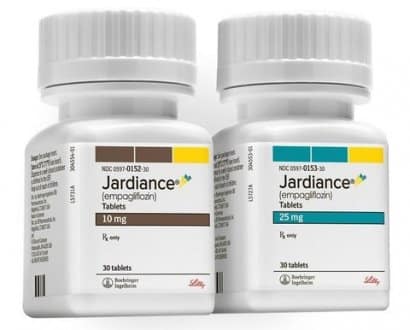
- Two strengths: 10 mg and 25 mg tablets, taken once per day.
- Kidney function matters: Efficacy changes with eGFR; safety monitoring is essential.
- Timing tips: Morning dosing may reduce nighttime urination for some.
- Stay cautious: Hold during acute illness, and review other diuretics.
Understanding jardiance dosage helps you and your clinician align benefits with safety. Jardiance (empagliflozin) belongs to SGLT2 inhibitors, which reduce blood sugar by increasing urinary glucose excretion. The dosing is simple in principle but requires judgment in practice. Kidney function, indication, and tolerability all shape the final plan.
Below, you will find practical dosing ranges, when titration may be considered, and how timing influences tolerability. We also compare 10 mg versus 25 mg, discuss limits, and note monitoring priorities. These points support more informed conversations with your healthcare team.
Jardiance Dosage: Adult Dosing and Titration
For adults with type 2 diabetes, a common approach is 10 mg once daily, with or without food. Clinicians may later evaluate whether to increase to 25 mg once daily based on response and tolerability. The tablet is swallowed whole with water. Because the drug promotes glucose and sodium excretion, hydration and symptom checks matter, especially early on.
Jardiance also has cardiovascular indications in adults, including certain heart failure populations. In these settings, the dose is typically the same tablet strengths used for diabetes, taken once daily. Glycemic effect may diminish with lower kidney function, but cardiorenal effects can remain clinically relevant. Prescribers review eGFR trends, volume status, and intercurrent illnesses before making dosing decisions.
For authoritative details on indications and dosing constraints, consult the FDA label, which summarizes approved uses and precautions (FDA label). The American Diabetes Association also provides practice guidance on SGLT2 inhibitor use across comorbidities in its annual standards (ADA Standards of Care).
Dosing Chart and Adjustments
Use this simplified jardiance dosage chart as a conversation aid with your prescriber. It outlines typical tablet strengths, a conservative titration path, and kidney function context. Individual care varies. Your clinician may deviate based on comorbidities, concomitant diuretics, or recent illnesses.
| Scenario | Suggested Step | Notes |
|---|---|---|
| Initial use (T2D) | 10 mg once daily | Reassess fasting glucose, symptoms, hydration |
| Considering increase | 25 mg once daily | Evaluate A1C, infections, volume status |
| eGFR 45–60 mL/min/1.73 m² | 10 mg or 25 mg daily | Glycemic effect may be reduced |
| eGFR 30–44 mL/min/1.73 m² | Continue per indication | Cardiorenal benefits may persist; review label |
| Acute illness or surgery | Temporarily hold | Reduce dehydration and ketoacidosis risk |
For background on the class mechanism and why kidney function matters, see Jardiance Drug Class, which explains SGLT2 inhibition and related effects for lay readers.
Dosing by Indication: Diabetes, Heart Failure, Kidney Concerns
In type 2 diabetes, most adults start at 10 mg once daily and continue if tolerated. Titration to 25 mg once daily may follow if additional glycemic reduction is needed and side effects remain manageable. Clinicians consider A1C trajectory, risk of genitourinary infections, and volume depletion. Patients should report dizziness, thirst, and new urinary symptoms promptly.
For heart conditions, jardiance dosage for heart failure typically aligns with the same once-daily tablet strengths. Here, the therapeutic goal may include reducing hospitalization risk and cardiovascular mortality. Providers also assess loop diuretic doses, blood pressure, and weight changes to avoid excessive volume loss. For kidney concerns, prescribers weigh the benefit-risk balance as eGFR declines and use monitoring plans to guide ongoing therapy.
For a broader look at renal protection themes, you can review Jardiance for Kidney Disease, which discusses kidney outcomes and supportive strategies in everyday care.
Comparing 10 mg and 25 mg Tablets
The two marketed strengths differ primarily by the magnitude of glucose-lowering. Many adults achieve targets on 10 mg; others may need 25 mg. Incremental gains at 25 mg must be balanced against tolerability. Some people notice more urination or genital symptoms when dosing increases, especially during hot weather or with diuretic therapy.
When considering trade-offs, discuss personal goals and risks. A careful look at blood pressure, hydration, and infection history helps. The phrase jardiance 10 mg vs 25 mg side effects often reflects real-world concerns about urinary frequency, yeast infections, and dizziness. Your clinician may try a stepwise approach and reassess after several weeks of stable use before deciding next steps.
Clinical and Practical Considerations
Dose changes often follow a review of recent labs, home glucose logs, and symptom diaries. If fasting glucose remains above target and side effects are minimal, a cautious increase can be reasonable. Conversely, if you experienced significant dehydration over the summer or doubled your diuretic dose, staying at 10 mg might be safer. Titration timing matters too; consider adjusting during stable routines rather than around travel or illness.
For comparisons with other SGLT2 inhibitors, see Jardiance vs Invokana for head-to-head themes and Rybelsus vs Jardiance for a class contrast, which can help frame choices among oral therapies.
Timing and Administration: Morning vs Night
Many people take their tablet with the first meal to support routine. Because SGLT2 inhibitors increase urine output in some users, evening dosing can cause nocturia. People often ask what happens if you take jardiance at night. You may notice more overnight bathroom trips or sleep disruption, especially after late fluids or salty meals.
Choosing a consistent morning time can reduce nighttime urination for some. If urination remains frequent, check fluid intake timing and discuss diuretic adjustments with your prescriber. During gastroenteritis, fever, or limited oral intake, a temporary pause may avoid dehydration. For kidney-focused safety issues around diuretics and volume status, the article Jardiance Uses offers additional context on expected effects.
Dosing Frequency and Missed Doses
Empagliflozin is designed for once-daily use. Patients sometimes ask, can i take jardiance twice a day. The answer is no; splitting or doubling doses is not recommended. If you miss a dose and remember the same day, take it when remembered. If it is almost time for the next dose, skip the missed dose and continue your usual schedule.
Do not take two doses at once. Taking extra tablets can raise risks of dehydration and may contribute to ketoacidosis in susceptible individuals. As a safety reference, the official prescribing information outlines overdose management and warnings (FDA label). For general class background and interaction context, see Invokana Drug Class, which covers SGLT2 effects similar to empagliflozin.
Maximum Dose, Kidney Function, and Interactions
For most adults, the maximum daily dose of empagliflozin is 25 mg once daily. Higher daily amounts are not standard and do not improve outcomes in studies. Kidney function influences glycemic effect, with diminishing glucose-lowering at lower eGFR. However, some non-glycemic benefits can persist even as eGFR falls, which is why indication-specific guidance matters.
Concomitant medications shape tolerability. Thiazide and loop diuretics can amplify volume loss. ACE inhibitors or ARBs require monitoring of blood pressure and kidney labs after starting or increasing empagliflozin. When combined with metformin in fixed-dose products, the total tablet strength must respect each component’s limits; for context on combination therapy, see Synjardy Uses, which explains empagliflozin plus metformin in one tablet.
Tip: Build a simple checklist for sick days. Pause when vomiting, diarrhea, or reduced intake occurs. Resume when eating and drinking normally. This practical step helps prevent complications in real life.
Safety, Monitoring, and When to Reassess
Most side effects are mild to moderate and manageable. Common issues include increased urination, thirst, and genital yeast infections. Less common concerns include hypotension and rare ketoacidosis, especially during acute illness or perioperative periods. People with a history of frequent infections may benefit from extra hygiene measures and early symptom reporting. Clinicians often check kidney function, electrolytes, and A1C on a schedule that fits the individual plan.
Report new dizziness, decreased urination, or severe genital symptoms promptly. If symptoms persist after a dose increase, it may be reasonable to return to the previous strength or consider alternatives. Some individuals explore other SGLT2 agents; for comparison context, see Farxiga Dapagliflozin, which is another medication in the same class. A broader overview of empagliflozin’s role appears in Jardiance Uses, helpful when discussing therapy options.
Weight Considerations and Related Options
Empagliflozin may contribute to modest weight reduction via fluid loss and caloric excretion. The effect varies widely and should not replace nutrition and activity strategies. People seeking more substantial weight changes sometimes consider GLP-1 receptor agonists. Reviewing benefits and trade-offs alongside SGLT2 therapy helps prevent unrealistic expectations.
For alternative oral options and how they contrast with SGLT2 inhibitors, the comparison in Rybelsus vs Jardiance summarizes mechanisms and practical considerations. If you are exploring agent class differences more broadly, the overview in Jardiance vs Invokana frames how individual profiles guide final choices.
Quick Reference: Starting, Switching, and Follow-Up
Discuss goals, comorbidities, and current diuretics before initiation. Confirm baseline kidney function and blood pressure. Plan follow-up within several weeks to review tolerability, home readings, and labs. If glucose remains above target and side effects are minimal, an increase can be considered. During summer or illness seasons, clinicians often favor slower titration with extra hydration counseling.
When changing from another SGLT2 inhibitor, transitions are usually one-for-one at equivalent timing, with counseling on similar risks. Dose increases should avoid calendar periods with travel or intense exertion. For structured reading across diabetes topics, browse our Type 2 Diabetes section for context, or see the broader Diabetes Articles library for adjacent subjects.
Recap
Start low, monitor thoughtfully, and personalize the plan. Most adults begin at 10 mg once daily, with careful consideration before increasing to 25 mg. Timing, hydration, and kidney function shape day-to-day experience. Align follow-up and lab checks with any change in dose, diuretic therapy, or symptoms.
For additional background on therapy classes and comparative profiles, explore Jardiance Drug Class and the class comparisons above. When questions arise between visits, note symptoms and timing. Clear logs help your clinician fine-tune therapy safely.
Note: For product-specific strengths and combinations, see Synjardy Uses or compare class alternatives via Jardiance vs Invokana to understand how choices might affect daily routines.
This content is for informational purposes only and is not a substitute for professional medical advice.


