
Clinicians often individualize tresiba dosing based on glucose patterns, mealtime insulin, and comorbidities. This guide explains how healthcare providers think about starting doses, titration (stepwise dose adjustment), conversions, timing, and safety limits. Use it to prepare for a discussion with your diabetes care team, not to self-adjust doses.
Key Takeaways
- Ultra-long action: Degludec provides steady basal insulin for flexible timing.
- Start low, adjust slowly: Titration aims to reduce hypoglycemia risk.
- Conversions vary: Prior insulin type and dose guide switch decisions.
- Missed doses: Spacing and monitoring help limit glucose swings.
- High-dose use: Pen limits per injection differ by concentration.
How Tresiba Works and Why It Matters
Tresiba (insulin degludec) is a basal insulin (background insulin) with an ultra-long duration. It forms multi-hexamers under the skin, releasing insulin slowly and predictably. Many people see flatter fasting glucose because day-to-day variability is lower than with some other basal options. This matters when titrating, since smaller changes can have sustained effects over several days.
According to the manufacturer’s prescribing information, Tresiba’s action can extend beyond 24 hours, helping once-daily use remain effective even with some timing flexibility. For pharmacology and dosing parameters, review the official prescribing information from Novo Nordisk (prescribing information). For a broader primer on basal-versus-bolus regimens, see Different Types of Insulin for definitions and clinical context.
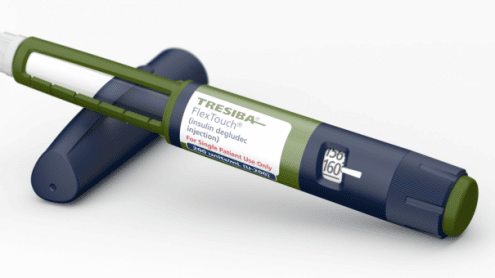
Device design influences use, too. The FlexTouch pens support accurate unit delivery with low injection force. For a practical overview, see Tresiba Flextouch Pen to understand features that affect daily administration.
Tresiba Dosing Basics
Most people use Tresiba once per day, independent of meals. Clinicians typically set an initial dose, monitor fasting and overnight glucose, then adjust slowly. Providers may consider A1C, fasting and pre-breakfast readings, nocturnal lows, renal function, and concurrent therapies like GLP-1 receptor agonists. Small weekly increments are common, because degludec’s steady state takes time to reflect changes.
Professional guidelines emphasize individualization and safety. The American Diabetes Association highlights basal insulin as a tool to meet fasting targets within a comprehensive plan. For the general approach to initiating and adjusting basal insulin, consult the ADA’s current guidance (Standards of Care). For pen formats and strengths, see Tresiba Flextouch Pens for available concentrations and device considerations.
Dosing by Condition: Type 1 vs Type 2
In type 1 diabetes, Tresiba usually provides the basal portion of a basal-bolus regimen. The basal fraction often represents a subset of total daily insulin, while rapid-acting doses cover meals. Clinicians titrate based on fasting glucose, overnight patterns, and hypoglycemia (low blood sugar) risk. They may modify other variables, such as correction factors or carb ratios, while adjusting basal conservatively.
For adults with type 2 diabetes, clinicians may consider tresiba dosing for type 2 diabetes within a structured algorithm. Some start with a modest unit-based dose and increase every few days according to fasting targets and lows. Co-therapies, such as metformin or GLP-1 receptor agonists, can reduce overall insulin requirements. For broader background, explore Type 1 Diabetes and Type 2 Diabetes categories for related education and treatment topics.
Starting Dose and Titration
Clinicians often choose a conservative tresiba starting dose, then adjust gradually. Incremental changes help identify the smallest effective dose that maintains fasting targets. Because degludec has an ultra-long action, the impact of a change may take several days to fully stabilize. This long tail favors patience over rapid increases, particularly in people with hypoglycemia unawareness.
When adjusting, teams typically review at least several days of fasting readings, hypoglycemia episodes, and any overnight corrections. They may reduce basal rather than chase lows with extra carbohydrates. Structured titration sheets or digital logs can help. For mealtime insulin pairing or substitution decisions, see Insulin Products Guide for strengths, formats, and role comparisons across the class.
Dose Adjustment and Conversion
Switching from another basal insulin requires careful, individualized planning. Pharmacokinetics differ among glargine U-100, glargine U-300, detemir, and degludec. Clinicians evaluate the current daily dose, timing, and hypoglycemia history to decide whether a unit-to-unit start is reasonable or if a cautious reduction is safer. After switching, they often reassess fasting readings over several days before making the next change.
When moving between analogs, an evidence-based tresiba dose conversion minimizes overcorrection. Differences in duration and potency can lead to early or delayed lows if conversions are aggressive. For product-specific details and comparisons, see Insulin Conversions for general principles, Lantus Solostar Pens for glargine U-100 context, and Toujeo Doublestar Pen when comparing high-strength basal options. For broader comparisons, Tresiba vs Lantus outlines clinical differences relevant to switching.
Dosing Frequency and Timing
Tresiba is typically once daily. Its long duration allows dosing at different times, as long as the minimum spacing between injections is respected. Many clinicians choose an anchor time linked to a routine, such as bedtime or morning. Consistent timing simplifies pattern recognition and reduces missed doses.
When lifestyle demands flexibility, teams still aim for predictable intervals to minimize variability. Guidance materials emphasize practical spacing and monitoring when timing shifts are needed. For a pharmacology refresher on prolonged basal action, contrast with another long-acting analog’s kinetics in Half-Life of Lantus, then apply those concepts to tresiba dosing frequency with appropriate clinical judgment. Device usage tips are summarized in Flextouch Pen Usage to support consistent delivery.
Missed Dose and Double Dosing
If a dose is forgotten, clinicians usually advise taking the dose once remembered as long as sufficient time remains before the next scheduled injection. After a missed dose, people may increase glucose checks to watch for hyperglycemia (high blood sugar). If timing becomes too close to the next dose, skipping and resuming the regular schedule may be safer. Individual plans vary, especially if hypoglycemia occurred recently.
If you accidentally take a double dose of Tresiba, increased monitoring is essential. Many providers suggest frequent glucose checks and having rapid carbohydrates available. Contact your care team for individualized guidance, particularly if you use other glucose-lowering agents. For symptoms, triggers, and prevention strategies, see Tresiba Side Effects for additional risk-reduction tips around hypoglycemia.
Maximum Dose, High-Dose Scenarios, and Safety
There is no universal maximum dose of tresiba that fits every person; dosing is individualized. However, pens have per-injection limits that matter in practice. The U-100 FlexTouch typically delivers up to 80 units in a single injection, while the U-200 version can deliver up to 160 units at once. People requiring very high total daily doses may split injections or use higher-concentration pens to reduce volume, as advised by clinicians.
When doses escalate, providers reassess reasons for insulin resistance, injection technique, and concomitant medications. They may consider adding or optimizing non-insulin agents to reduce total insulin requirements. For official device limits and dose administration instructions, review the product label (official labeling) and discuss applicability with your clinician. For mealtime pairing in higher-dose regimens, see Humalog KwikPen or Novorapid Vials to understand rapid-acting roles in basal-bolus therapy.
Practical Tools: Charts and Calculators
Many diabetes teams use structured titration tables to simplify decision-making. A carefully designed tresiba dosing chart can standardize incremental changes and reduce errors. It usually ties fasting glucose ranges to small dose adjustments and flags hypoglycemia thresholds for dose reductions. Teams often pair charts with weekly check-ins to confirm trend stability before the next change.
Digital tools and logs can further streamline communication. Some clinicians use smartphone apps or connected glucose meters to track fasting targets and injection times. While online calculators exist, your provider’s algorithm, health status, and co-therapies should drive decisions. For compatible devices and supplies, see BD Ultrafine II Syringes for injection accessories when vials or higher volumes are used.
Tip: Keep three to five days of fasting readings before changing doses. This window helps separate day-to-day noise from true trends.
Recap
Tresiba is a long-acting basal insulin designed for steady, flexible coverage. Safe use relies on gradual changes, consistent timing, and careful monitoring. Conversions from other basal insulins benefit from conservative starts and patience while steady state develops. High-dose situations require attention to pen limits and technique.
To continue learning, compare long-acting options in Basaglar vs Lantus and broader brand contrasts in Common Diabetes Medications. For more background on pen devices and strengths, visit the Diabetes Products section. Use these resources to prepare focused questions for your next clinic visit.
Note: Always verify dose changes with your healthcare provider before making adjustments.
This content is for informational purposes only and is not a substitute for professional medical advice.


