Many people ask about Victoza side effects when starting liraglutide therapy. Most reactions are gastrointestinal and often improve with time and careful titration. This guide explains what is typical, what is rare, and how to respond safely. Use it to prepare for discussions with your healthcare professional.
Key Takeaways
- Most effects are gastrointestinal and often lessen after dose stabilization.
- Watch for red flags like severe abdominal pain or persistent vomiting.
- Consistent dosing habits and meal adjustments may improve tolerability.
- Costs and coverage vary; review benefits before starting therapy.
- Switching medicines requires medical oversight to avoid lapses or overlaps.
Understanding Victoza Side Effects
Victoza (liraglutide) is a GLP-1 receptor agonist that slows gastric emptying, enhances glucose-dependent insulin release, and blunts glucagon. These mechanisms help with glycemic control but can provoke gastrointestinal discomfort. Nausea, diarrhea, vomiting, decreased appetite, and dyspepsia are commonly reported during the first weeks. Headache and fatigue can occur, but are usually mild.
Side effects vary by dose, titration speed, and individual sensitivity. Starting low and increasing gradually often improves tolerability. If you experience ongoing symptoms, document timing, meals, and other medications. This detail helps your clinician tailor supportive strategies without guessing.
Common Gastrointestinal Effects and Practical Prevention
Early treatment can bring queasiness, loose stools, or bloating. For some, appetite suppression is noticeable within days. These reactions often decrease as your gut adapts. If you are wondering why does victoza cause diarrhea, delayed gastric emptying and gut hormone effects are likely contributors. High-fat meals and rapid dose increases tend to make symptoms worse.
Practical steps may help: eat smaller meals, choose lower-fat options, sip fluids between meals, and avoid lying down after eating. Gentle activity, like a short walk, may ease post-meal fullness. For guidance on stepwise titration that can reduce nausea, see Victoza Dosing Guide. If certain foods reliably trigger discomfort, review tailored choices in Victoza Foods to Avoid for meal-planning ideas.
Injection Technique, Timing, and Tolerability
Local reactions—redness, itching, or small lumps—are among the side effects of victoza injection. Rotate sites across the abdomen, thigh, or upper arm to reduce irritation. Use a new needle each time and allow alcohol to dry before injecting. Gentle pressure after removal can limit bruising.
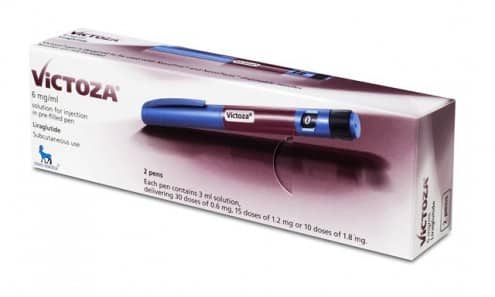
Take your dose at roughly the same time daily to build a consistent routine. Many prefer evenings to separate dosing from daytime nausea, but timing should fit your schedule. For site selection and rotation patterns, see Victoza Injection Sites to reduce local skin issues. If you are unsure about the device format, the Victoza Pens page outlines pen features for user familiarity.
Serious Risks and Red Flags
Rare but important issues require prompt attention. Pancreatitis, gallbladder disease, kidney injury, and possible thyroid C-cell tumors are recognized risks for GLP-1 agents. If you see liraglutide side effects pancreatitis such as sudden severe abdominal pain that may radiate to the back, stop the drug and contact a clinician urgently. Persistent vomiting, signs of dehydration, or jaundice also warrant immediate care.
These risks are highlighted in official references. For detailed safety language, review the Victoza prescribing information provided by the U.S. FDA. For plain-language summaries of adverse effects and warnings, consult MedlinePlus liraglutide injection from the National Library of Medicine.
Weight Changes: Expectations and Plateaus
Many patients notice reduced appetite and gradual changes in body weight. This effect is variable and not guaranteed. Early weight shifts often reflect lower caloric intake and slower gastric emptying. If victoza weight loss plateaus, consider meal composition, snacking patterns, and physical activity. Sleep disruption and certain medicines, like steroids, may also hinder progress.
Track weekly trends rather than daily fluctuations. Adjusting meal timing and prioritizing protein can help satiety. For structured strategies and real-world experiences, see Victoza Weight Loss to understand typical trajectories and supportive habits. If weight does not change after several months, discuss broader contributors, including other conditions and concurrent therapies.
Comparisons and Switching Therapies
Other GLP-1 agents may offer different dosing schedules or tolerability profiles. When switching from victoza to ozempic, clinicians usually plan a gap or overlap to reduce nausea and maintain glycemic control. Do not switch independently, as timing errors can cause hyperglycemia or duplicated exposure.
For similarities, differences, and patient-centered tradeoffs, see Victoza vs Ozempic for dosing, mechanisms, and outcomes. If you are evaluating broader options, the overview in Side Effects: Diabetes Medications can frame GLP-1s alongside other classes. For non-GLP-1 comparators, Jardiance vs Victoza outlines SGLT2 features and potential combinations.
Duration of Use and Monitoring
Patients often ask, how long can you stay on victoza? Many remain on treatment long-term if benefits outweigh risks and tolerability remains acceptable. Periodic reassessment supports safe continuation. Clinicians may check renal function, pancreatic symptoms, glycemic markers, and weight trends. Any new neck mass, hoarseness, or swallowing difficulty warrants evaluation given thyroid-related warnings.
Long-term management usually pairs lifestyle measures with medication. If glucose targets shift or side effects intensify, therapy may change. For context on indications and treatment goals, the overview in Victoza Uses explains where liraglutide fits among options. Broader reading in the Type 2 Diabetes category can help you compare adjunct strategies and monitoring needs.
Costs and Coverage Overview
Out-of-pocket costs differ based on insurance formularies, deductibles, and pharmacy benefits. Employer plans, public programs, and discount arrangements can change net expense significantly. Your monthly spend may also vary with pen strength and fill quantity. Before the first prescription, confirm coverage and any prior authorization requirement to avoid delays.
To explore savings routes, co-pay assistance, and budgeting tactics, see Cost of Victoza for practical steps and resources. If you are comparing antidiabetic therapies by total cost of care, include lab monitoring, supplies, and clinic visits—not only the drug price—when making decisions.
Recovery Timeline and When to Seek Care
People often wonder, when will victoza side effects go away? Mild nausea or diarrhea often ease after dose stabilization, though timelines vary. If symptoms remain disruptive beyond the early weeks, contact your healthcare professional. Severe, escalating, or sudden symptoms require urgent evaluation.
Tip: Keep a simple log of dose time, meals, and symptoms. Patterns can reveal triggers and guide targeted adjustments. For a broader lifestyle framework that supports tolerability, the Victoza Weight Loss Journey article offers practical day-to-day strategies.
Recap
Most reactions to liraglutide are gastrointestinal and improve with consistent habits. Recognize danger signs early and escalate care when needed. Revisit goals, costs, and alternatives regularly. Use reputable references and your clinician’s guidance to tailor decisions to your health context.
This content is for informational purposes only and is not a substitute for professional medical advice.