
Diabetic Kidney Disease affects many people living with diabetes and can progress silently. Early detection, regular monitoring, and targeted therapies can slow kidney decline. This guide explains symptoms, staging, testing, and management choices in clear terms, alongside clinical terminology.
Key Takeaways
- Early detection matters: urine albumin and eGFR flag risk.
- Blood pressure and glucose control slow kidney damage.
- ACEi/ARB, SGLT2s, and GLP-1 RAs can help eligible adults.
- Dietary sodium and protein moderation reduce kidney workload.
- Regular follow-up and timely referrals prevent complications.
Diabetic Kidney Disease: Overview and Early Signs
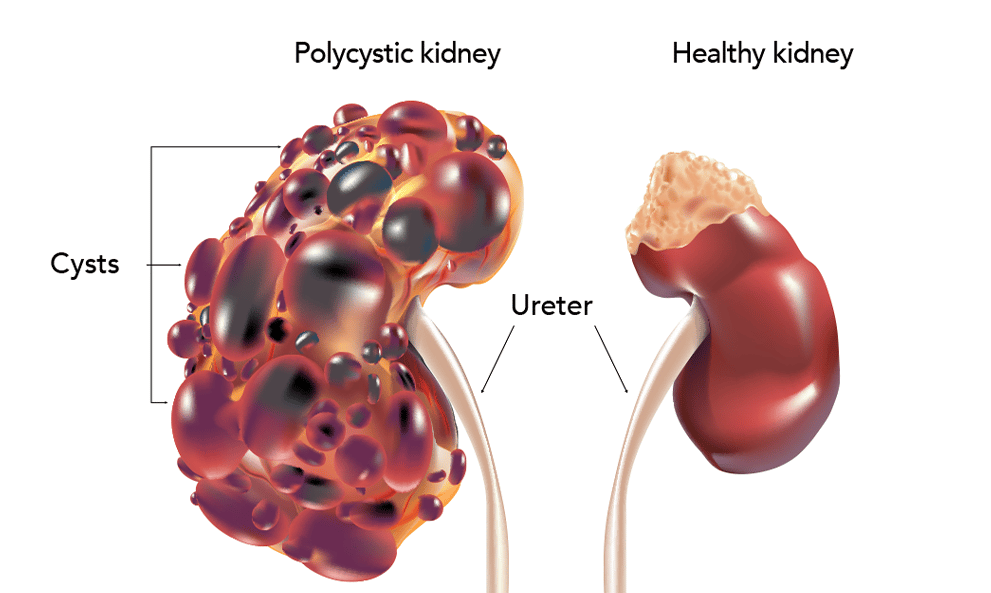
This condition develops from long-standing high blood sugar and blood pressure, which strain the filtering units (glomeruli). Many people notice no symptoms at first. Early signs include persistent albumin in the urine and a slowly falling estimated glomerular filtration rate (eGFR). These laboratory changes precede swelling, fatigue, itching, and appetite loss that can occur later.
Screening usually involves a spot urine albumin-to-creatinine ratio (uACR) and a serum creatinine to estimate eGFR. Persistent uACR elevation over three or more months signals chronic kidney involvement. For a broader context on how high glucose harms the kidneys, see Diabetes and Kidney Damage for foundational mechanisms and complications.
What Drives Kidney Damage in Diabetes
High glucose triggers metabolic and inflammatory pathways that thicken glomerular membranes and scar the kidney. Oxidative stress, activation of the renin–angiotensin–aldosterone system (RAAS), and intraglomerular hypertension worsen the injury. Over time, filtration declines, and albumin leaks into urine.
Clinicians often refer to this process as What Is Diabetic Nephropathy, a term that describes structural and functional kidney changes due to diabetes. For additional background on medication classes used in diabetes care, see Common Diabetes Medications to understand how glucose-lowering options may intersect with kidney protection.
Staging and Monitoring
Clinicians stage kidney involvement by albuminuria categories and eGFR ranges. This helps forecast risks and guides therapy intensity. Knowing where a patient sits on this continuum informs follow-up intervals, blood pressure targets, and medication choices. Discuss your exact stage with your clinician, since staging can change over time.
Many teams reference diabetic kidney disease stages when planning care. Albuminuria is typically grouped as normal to mildly increased, moderately increased, or severely increased. eGFR is grouped from normal to kidney failure. Combined, these categories predict progression and cardiovascular risk.
Tests You’ll See
Two routine tests anchor monitoring. First, the urine albumin-to-creatinine ratio (uACR) estimates how much protein the kidneys leak; persistent elevation suggests ongoing damage. Second, serum creatinine is used to calculate eGFR, an estimate of kidney filtering capacity. Trends matter more than single results, so clinicians usually confirm abnormal values and track them over time to guide therapy adjustments and referrals.
For staging cutoffs and risk matrices, clinicians often consult consensus guidance. You can review the KDIGO guideline for structured staging and risk terminology used in kidney clinics. Albuminuria categories are summarized by the National Kidney Foundation, which gives practical thresholds for uACR interpretation.
Diagnosis and Coding Essentials
Documentation often includes ICD-10 codes that capture both diabetes type and kidney status. Accurate coding supports quality tracking and insurance processes. Codes differ by type 1 versus type 2 diabetes and by the presence of complications such as albuminuria or stage-specific chronic kidney disease.
One commonly used code is e11 22 icd 10, which indicates type 2 diabetes with kidney complications. Additional characters may specify CKD stage. Clinicians may also document blood pressure diagnoses and lipid disorders, because cardiovascular risk is intertwined with kidney health. Note: Coding rules vary by payer and region; clinicians and billing teams should verify current requirements.
Treatment Strategies Across Stages
Therapy focuses on slowing damage, reducing cardiovascular events, and managing symptoms. Core measures include individualized glucose targets, blood pressure control, lipid management, smoking cessation, and vaccinations. Medication choices often combine disease-modifying agents and symptom-relief drugs.
Evidence-based options for diabetic kidney disease treatment commonly include an ACE inhibitor or ARB for blood pressure and albuminuria reduction. Many adults also benefit from an SGLT2 inhibitor when eGFR allows. For a practical review of renal outcomes with dapagliflozin, see Farxiga and Kidney Health to understand trial findings relevant to CKD. For background on the medication class, see Jardiance Drug Class for how SGLT2 inhibition works.
Medication Classes and Goals
Beyond RAAS blockade and SGLT2 inhibitors, many patients may benefit from a GLP-1 receptor agonist for glucose control and cardiovascular risk reduction. A nonsteroidal mineralocorticoid receptor antagonist (e.g., finerenone) may further lower albuminuria in selected adults. Diuretics help manage edema and blood pressure. Insulin remains essential for some; for a concise overview of options and mixing strategies, see the Premixed Insulin Guide to understand practical use cases.
Therapy priorities are summarized in major guidelines. The ADA Standards of Care outline glucose, blood pressure, and lipid targets by risk. The KDIGO guideline provides treatment layering and staging-based monitoring intervals used by kidney specialists.
Diet and Self-Care Priorities
Nutrition and daily habits play a central role. Sodium restriction can lower blood pressure and reduce fluid retention. Moderating dietary protein may reduce kidney workload in advanced stages, while maintaining adequate nutrition. Tailored meal plans consider diabetes management, kidney function, and personal preferences.
Discuss foods to avoid with kidney disease and diabetes with a registered dietitian. Common examples include very salty snacks, high-phosphate processed foods, and potassium-rich items when levels run high. Hydration goals vary with stage and medications. For broader disease education and related topics, browse our Nephrology articles for stepwise, kidney-focused guidance.
Tip: Keep a simple lab notebook. Note uACR, eGFR, potassium, and blood pressure values after each visit. Trends over months help inform medication and diet adjustments.
Protecting Your Kidneys Day to Day
Daily routines support long-term outcomes. Home blood pressure monitoring, foot care, and vaccination updates complement clinic visits. Physical activity improves insulin sensitivity and cardiovascular health, which indirectly supports kidneys. Medication adherence and avoidance of unnecessary NSAIDs also matter.
Here are practical ideas on how to protect kidneys from diabetes: keep A1C within your agreed target, aim for consistent sleep, and check blood pressure at home. If you use insulin or sulfonylureas, carry a source of fast glucose to manage hypoglycemia safely. For additional reading on therapy options and safety, see Diabetes Complications for context about systemic effects and risk reduction.
When to Consider Dialysis and Referral
Some people progress despite therapy. Worsening uremic symptoms, refractory fluid overload, difficult-to-control acidosis, or very low eGFR may prompt referral for dialysis education or transplant evaluation. Early discussions help align choices with personal values and clinical circumstances.
Shared decision-making guides type 2 diabetes chronic kidney disease treatment in advanced stages. Nephrology teams provide modality education, access planning, and transplant evaluations when appropriate. For insight into SGLT2 use earlier in the course, review Forxiga Uses to understand indications and renal considerations that may delay progression.
Recap
Kidney involvement in diabetes often begins quietly but is measurable and modifiable. Regular testing, risk-factor control, and evidence-based medications can slow decline. Nutrition, activity, and preventive care reinforce clinical treatment. Keep following structured plans and revisit goals as your labs and symptoms evolve.
This content is for informational purposes only and is not a substitute for professional medical advice.


