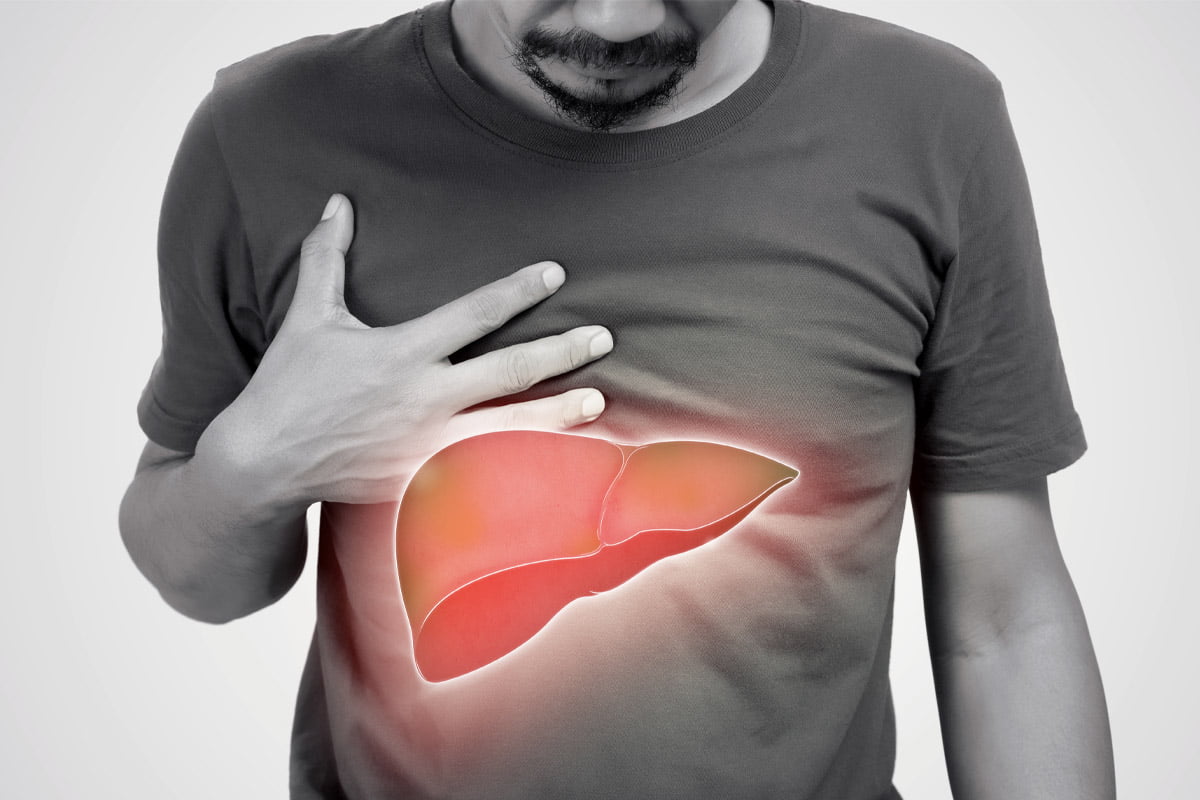
Ozempic and fatty liver disease often intersect in clinical practice. People with metabolic dysfunction, insulin resistance, and type 2 diabetes frequently ask whether semaglutide can help their liver. This article explains the mechanisms, current evidence, safety considerations, and practical steps. It also outlines monitoring and coverage considerations to support informed discussions with your clinician.
Key Takeaways
- Liver-metabolic link: Weight loss and improved insulin sensitivity support liver health.
- Evidence base: Semaglutide shows histologic benefits in MASH, with ongoing trials.
- Safety first: Monitor enzymes and symptoms; serious injury is uncommon.
- Patient fit: Comorbidities and cirrhosis status shape eligibility and goals.
- Next steps: Pair medication with diet, activity, and routine labs.
Ozempic and fatty liver disease
Fatty liver disease now falls under updated terms: MASLD (metabolic dysfunction–associated steatotic liver disease) and MASH (steatohepatitis). These conditions commonly coexist with obesity, prediabetes, and type 2 diabetes. Semaglutide, a GLP-1 receptor agonist, targets metabolic drivers that also influence liver fat, inflammation, and fibrosis. Understanding these overlaps helps set realistic expectations and monitoring plans.
Semaglutide may reduce appetite, improve glycemic control, and support meaningful weight loss. Those changes can decrease hepatic steatosis and inflammatory activity over time. However, benefits vary among individuals, and fibrosis regression typically requires sustained risk-factor control. Your clinician can align treatment goals with staging, comorbidities, and lifestyle capacity.
What Is Fatty Liver Disease?
MASLD describes excess fat in the liver not caused by significant alcohol use. When inflammation and cell injury develop, the condition progresses to MASH, which carries a higher risk of fibrosis and cirrhosis. These stages often track with insulin resistance and central adiposity. Clinicians confirm severity using blood tests, elastography, and sometimes biopsy when noninvasive tests are inconclusive.
Lifestyle is foundational. Calorie-aware eating, reduced ultra-processed foods, and higher fiber intake may help decrease liver fat. Regular physical activity improves insulin sensitivity and can reduce hepatic steatosis independent of weight loss. For nutrition structure and insulin resistance context, see Best Diet for Insulin Resistance for practical meal patterns and targets.
How Semaglutide Affects the Liver
Semaglutide mimics GLP-1, a hormone that enhances glucose-dependent insulin secretion, slows gastric emptying, and reduces appetite. Indirect hepatic benefits likely stem from weight loss, improved insulin sensitivity, and lower hepatic fat delivery. Changes in inflammatory signaling may also contribute to histologic improvement. For mechanism basics across incretin drugs, see How Victoza Works for a GLP-1 overview and comparisons.
Clinicians monitor biomarkers like alanine aminotransferase (ALT) and aspartate aminotransferase (AST) to gauge progress. Emerging data also explore semaglutide and liver enzymes in relation to weight reduction and hepatic fat. While improvements are common with metabolic gains, individual responses vary. Coordination with primary care, endocrinology, and hepatology supports tailored monitoring schedules and imaging.
Evidence From Clinical Trials
Early trials suggest histologic improvements with semaglutide in MASH. In a peer-reviewed placebo-controlled trial in NASH, semaglutide increased resolution of steatohepatitis without worsening fibrosis. Fibrosis benefits were less consistent, highlighting the need for multi-pronged risk-factor control and longer follow-up. These results indicate potential disease-modifying effects in select patients.
Larger, long-term programs are assessing outcomes, including the semaglutide nash phase 3 essence program. Topline announcements and conference reports continue to refine expectations around histology and noninvasive endpoints. As data mature, guidance from liver societies will evolve. For high-level context on evolving GLP-1 research, see GLP-1 Weight-Loss Drugs which summarizes broader metabolic implications.
Safety Signals and Monitoring
Semaglutide is generally well tolerated, with gastrointestinal effects like nausea and fullness being most common. Clinicians still ask whether can semaglutide cause elevated liver enzymes in certain scenarios. Mild, transient changes may occur with weight shifts or intercurrent illness. Persistent or marked changes need evaluation for alternative causes, such as viral hepatitis, alcohol, other drugs, or gallbladder disease.
When in doubt, review the official prescribing information for labeled risks and warnings. Discuss symptoms such as right-upper-quadrant pain, jaundice, dark urine, or severe fatigue. These warrant prompt assessment and labs. For related medication choices and side-effect trade-offs, our overview Common Diabetes Medications provides context on alternative classes.
Special Populations and Comorbid Liver Conditions
Cirrhosis requires careful risk stratification, especially with decompensation. Data on glp-1 and liver cirrhosis remain limited, and management should be individualized. Stable, compensated disease may permit cautious use with close monitoring. Decompensated cirrhosis shifts the benefit-risk balance and usually prioritizes different therapeutic strategies and nutrition optimization.
Chronic viral disease adds another layer. When discussing ozempic and hepatitis in clinic, clinicians consider antiviral status, fibrosis stage, and concurrent hepatotoxic medications. Baseline labs, vaccination updates, and alcohol reduction strengthen safety across etiologies. For metabolic coverage beyond semaglutide, see Insulin Resistance Treatment which outlines adjunctive strategies.
Who Should Consider or Avoid Treatment
Shared decision-making weighs glycemic needs, cardiovascular risk, liver status, and patient preferences. Patients often ask whether can you take ozempic with liver disease. In many with MASLD or MASH, clinicians may use GLP-1 therapy while monitoring enzymes and symptoms. The approach changes with advanced fibrosis, biliary issues, pancreatitis history, or significant gastrointestinal intolerance.
When considering duration and dose changes, avoid abrupt shifts without medical review. For safe continuity planning, see How Long Can You Take Ozempic for duration considerations and tapering discussions. Also, device familiarity matters; pen handling and injection timing can influence adherence and side effects.
Comparing Options: Wegovy, Mounjaro, and Others
Semaglutide appears promising for hepatic endpoints, but alternatives are expanding. Research explores wegovy and fatty liver outcomes at obesity doses, including weight-centric benefits that may drive hepatic gains. Dual-agonists like tirzepatide (GIP/GLP-1) show robust metabolic effects and are being studied for liver-specific outcomes. Head-to-head histology data remain limited.
Because GI tolerability varies, side-effect profiles influence choice. For constipation management considerations on obesity-dose semaglutide, see Does Wegovy Cause Constipation which reviews strategies. For cardiometabolic benefits beyond weight, see Mounjaro Heart Benefits to understand class differences relevant to long-term risk reduction.
Related Risks and When to Seek Care
People sometimes report right-upper-quadrant discomfort and ask about ozempic and liver pain. Transient bloating or reflux can mimic hepatic discomfort, while gallbladder issues may also present with pain. Persistent or severe pain needs evaluation to exclude biliary disease, pancreatitis, or other causes. Prompt assessment helps prevent complications and clarifies whether medication changes are necessary.
Renal safety is also considered in metabolic therapy. Clinicians monitor susceptibility to dehydration and acute kidney events, particularly during gastrointestinal side effects. Concerns about does semaglutide cause kidney damage usually relate to volume depletion and comorbidity, not direct toxicity. Hydration, dose escalation pacing, and early reporting of symptoms support safer treatment.
Practical Steps: Lifestyle and Coverage
Medication works best alongside lifestyle therapy. A structured, protein-forward plan and gradual activity increases support weight and glycemic control. For practical nutrition in the incretin era, see Diet and GLP-1 Medications for coordinated diet strategies. If low-carbohydrate approaches are considered, review Keto Diet Diabetes for risks, fit, and monitoring tips.
Coverage varies by jurisdiction and diagnosis code. Patients often ask whether is ozempic covered by medicaid or private plans and how liver-related indications are handled. Policies may require diabetes documentation, prior authorization, or failure of alternatives. For readers interested in dosage forms and counseling points, see Ozempic Semaglutide Pens to understand device options and education needs. For broader category context, explore Type 2 Diabetes for additional articles and clinical frameworks.
Recap
Semaglutide targets core metabolic drivers that also affect liver health. Evidence suggests histologic benefits in steatohepatitis for some patients, with ongoing trials refining expectations. Safety centers on GI tolerability, monitoring enzymes, and evaluating symptoms that could signal complications. Pairing medication with lifestyle and routine follow-up improves the odds of durable liver and cardiometabolic gains.
For adjacent reading on rebound and maintenance pitfalls, see Ozempic Rebound Prevention for practical relapse safeguards. To compare oral and injectable incretin approaches, Orforglipron vs Rybelsus details differences relevant to adherence and GI effects.
Note: Professional guidance is essential when combining liver disease management with incretin therapy. Individual responses and risks vary.
For nomenclature and care guidance, the AASLD practice guidance summarizes current MASLD/MASH terminology and management. For trial evidence, see the NEJM placebo-controlled trial in NASH. For official safety details, consult the FDA prescribing information.
Medical disclaimer: This content is for informational purposes only and is not a substitute for professional medical advice.