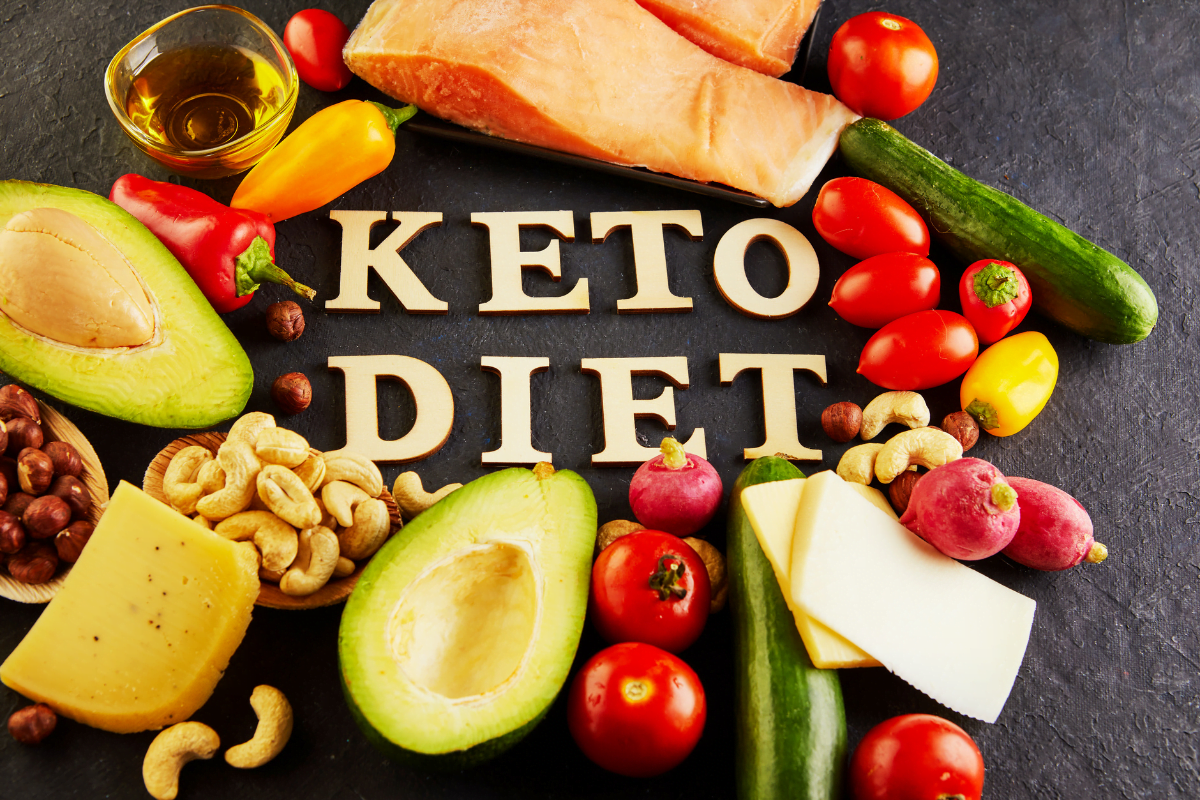
The keto diet restricts carbohydrates so your body burns fat for fuel. This state, called ketosis, can change appetite and blood sugar patterns. This guide explains the basics, the potential upsides and downsides, and how to begin safely. It also outlines meal ideas and planning steps to support long-term habits.
Key Takeaways
- Low-carb focus: Limit net carbs to push ketosis.
- Food quality matters: Prioritize protein, non-starchy vegetables, and healthy fats.
- Start gradually: Reduce carbs in steps and plan electrolytes.
- Monitor safety: Track symptoms, labs, and medications with a clinician.
- Plan ahead: Batch-cook simple meals to stay consistent.
Keto Diet: What It Is and How It Works
Ketosis occurs when carbohydrate intake drops and liver ketone production rises. Your body shifts from glucose to fatty acids and ketones for energy. Clinically, people monitor this shift using blood beta-hydroxybutyrate, breath acetone, or urine acetoacetate strips. This metabolic change can reduce appetite and alter glycemic variability in many adults.
The mechanism centers on insulin lowering, lipolysis, and hepatic ketogenesis. Fat and protein supply most calories, while carbohydrates stay very low. Notably, ketosis is distinct from diabetic ketoacidosis, which is a medical emergency. For safety differences explained plainly, see Ketosis vs Ketoacidosis for a clear comparison of metabolic states. For a concise clinical overview, the NCBI Bookshelf review summarizes uses and potential adverse effects.
Note: People using insulin or insulin secretagogues have a higher risk of hypoglycemia during rapid carbohydrate changes and should coordinate with their care team.
What to Eat and What to Avoid
Many readers ask about keto diet: what to eat when starting out. Focus on protein like eggs, poultry, fish, tofu, and Greek yogurt. Add non-starchy vegetables such as leafy greens, broccoli, and zucchini. Use unrefined fats like olive oil, avocado, nuts, and seeds to meet energy needs. Hydrate well and salt your food to support electrolytes.
Limit grains, sugary foods, fruit juices, most breads, and starchy vegetables like potatoes and corn. Choose minimally processed items and watch hidden sugars in sauces. If you manage diabetes, a structured plan helps reduce glucose swings. For a stepwise framework that complements low-carb choices, see How To Start A Diabetic Diet for practical meal planning steps.
Macronutrients and Ketosis
A typical ketogenic pattern keeps net carbohydrates around 20–50 grams daily. Protein intake stays moderate to support muscle maintenance and satiety. Most remaining calories come from fats, but quality matters. Favor monounsaturated and polyunsaturated sources while limiting trans fats and excessive saturated fat. This balance supports ketosis while aligning with general cardiometabolic guidance.
Some people calculate macros using body weight and activity level. Others follow plate-based visuals to simplify meals. Either way, consistent carb limits drive ketone production. Adjust vegetables and protein portions first, then titrate fat to hunger and goals.
Benefits and Trade-Offs
Research suggests several potential keto diet benefits when implemented carefully. Many people experience reduced appetite, lower fasting glucose, and early weight loss. Some see improvements in triglycerides and HDL cholesterol. Others report steadier energy and fewer hunger swings across the day.
Trade-offs can include elevated LDL cholesterol in a subset of individuals, micronutrient gaps from food restriction, and social or culinary constraints. If you are comparing diet-only strategies with pharmacologic options, review GLP-1 Weight Loss Drugs to understand medication-supported approaches. For neurological context beyond weight control, see Ketogenic Diet and Alzheimer’s for an overview of emerging research.
Tip: If your LDL-C rises, emphasize fish, olive oil, nuts, and non-starchy vegetables while trimming butter and high-fat processed meats. Discuss lipid changes with your clinician.
Potential Side Effects and Safety
Short-term keto diet side effects may include fatigue, headache, lightheadedness, constipation, or cramps. These usually improve with hydration, electrolytes, and gradual carb reduction. Increase sodium, potassium, and magnesium through broth, leafy greens, nuts, and mineral supplements if advised. Fiber from non-starchy vegetables and seeds helps bowel regularity as intake patterns change.
Monitor for hypoglycemia if you use insulin or sulfonylureas. People with type 1 diabetes or a history of eating disorders need close supervision. Diabetic ketoacidosis differs from nutritional ketosis and requires urgent care; for clinical background, see the CDC on DKA for risk signs and actions. If your current treatment involves GLP-1 medications, align carb changes with dosing and monitoring to avoid unintended effects.
How to Start: Practical Steps for Beginners
Here is a simple approach to keto diet for beginners. First, discuss goals, medications, kidney function, and lipid history with your clinician. Second, reduce sugary foods and refined grains for one week. Third, drop starchy sides and measure net carbs. Fourth, plan simple meals with protein, vegetables, and healthy fats. Finally, track energy, hunger, and any symptoms.
New to weight management content and tools? Explore Weight Management for broader strategy guides that complement low-carb planning. If you already use tirzepatide, see Mounjaro Diet Tips to align food choices with therapy. Some individuals consider medications if diet alone is insufficient; review Wegovy Injection and Ozempic Semaglutide Pens to learn how GLP-1 agents fit alongside lifestyle changes.
Simple Meals, Recipes, and Prep
Keep weekday meals simple. Batch-cook chicken thighs, hard-boiled eggs, roasted vegetables, and chili made with ground turkey and zucchini. Build bowls with a protein base, non-starchy vegetables, olive oil, herbs, and a handful of nuts. Rotate flavors with spices, citrus, vinegars, and sugar-free marinades. Prepare snacks like cheese sticks, olives, and cucumber slices for quick options.
When time is tight, prep once and reheat later. Sheet-pan salmon with asparagus, omelets with spinach and feta, and taco bowls with lettuce and salsa all reheat well. For readers pairing nutrition with broader tools, see Weight Management Products to understand available therapies that may support lifestyle changes. Many people also experiment with fast-prep dishes and freezer-friendly batch cooking to reduce weeknight stress.
Food Lists and a 1-Week Plan
Build a core pantry to reduce decision fatigue. Stock proteins like eggs, canned tuna, and chicken. Add frozen spinach, cauliflower rice, and broccoli for convenience. Include olive oil, avocado oil, olives, nuts, seeds, and herbs. Keep low-sugar condiments, vinegars, and broth for flavor and electrolytes. A weekly plan helps convert these staples into easy meals.
Here is how to sketch a keto diet 1 week meal plan. Select two proteins for bulk cooking, three vegetables for rotation, and one dressing or sauce that fits your macros. Repeat across lunches and dinners, and vary spices. Breakfast can rotate between eggs, Greek yogurt, or tofu scrambles. If you use semaglutide, review How Long Can You Take Ozempic to align expectations, and see Ozempic Rebound for maintenance strategies after weight loss.
Recap
Keto relies on carbohydrate restriction to drive ketosis. Many people find it helps appetite control and glucose patterns. Others prefer a less restrictive approach or combine nutrition changes with medications. Choose a plan you can sustain, and revisit lab markers and symptoms with your clinician.
Start gradually, monitor electrolytes, and build meals around protein, non-starchy vegetables, and healthy fats. When questions arise, use reliable clinical sources and coordinate with your care team. Small, consistent steps usually beat drastic overhauls.
This content is for informational purposes only and is not a substitute for professional medical advice.