
From animal extracts to engineered analogs, diabetes care has changed fast. Insulin Therapy now spans older crystalline formulations and today’s steady basal options. This updated overview explains how Ultra‑Lente faded, how Lantus reshaped basal dosing, and what patients and caregivers should know about timing, administration, and skin care.
Key Takeaways
- Basal evolution: Ultra‑Lente gave way to glargine, detemir, and degludec.
- Practical skills: Pens simplify dosing; technique still matters.
- Starting criteria: Consider glucose levels, symptoms, and A1C.
- Timing choices: Match insulin action to meals and sleep.
- Skin health: Rotate sites to prevent lumps and dents.
Insulin Therapy in Modern Diabetes Care
Clinicians use clear terms to describe regimens. Basal insulin provides background coverage, while bolus doses address meals or correction needs. Together, they form basal‑bolus therapy. Many patients begin with a basal analog, then add mealtime coverage only if needed. This staged approach limits hypoglycemia risk and reduces injection burden.
Older preparations still inform practice. You may encounter Insulin Analogs in plans that balance onset, peak, and duration; for a deeper comparison of molecule tweaks, see that overview to understand potency and variability. Educational resources often show Premixed Insulin Guide examples, but clinicians usually individualize choices rather than default to fixed mixes. Curricula also describe types of insulin with examples, which helps patients match timing with daily routines.
Standards documents outline safe initiation and titration. For current consensus on glycemic targets and therapy sequencing, review the ADA Standards of Care published annually; they summarize evidence for basal starts and stepwise intensification.
Ultra‑Lente: From Animal‑Sourced to Obsolete
Ultra‑Lente was a long‑acting suspension that relied on zinc and extended crystal size to prolong action. It offered once‑daily potential but showed batch‑to‑batch variability and unpredictable peaks. With recombinant DNA and protein engineering, newer analogs achieved smoother profiles and more consistent absorption. As a result, Ultra‑Lente disappeared from many formularies and guidelines.
The history matters because legacy terms persist in records and family stories. You may hear relatives mention lente, ultralente, or older soluble insulin vials. If you encounter those terms, clarify the modern equivalent with your clinician. For historical context about early production and purification steps, see The Discovery of Insulin, which explains how animal extracts evolved into standardized products.
Lantus and the Basal Insulin Era
Lantus (insulin glargine U‑100) changed basal care by forming microprecipitates in subcutaneous tissue, releasing insulin slowly without a pronounced peak. The flatter action reduced nocturnal hypoglycemia in many regimens. Choice still depends on goals, preferences, and coverage. Patients sometimes ask about best insulin for type 2 diabetes, but the safest pick is individual and guided by clinical factors.
Within the glargine family, U‑100 and U‑300 products differ in depot characteristics. For a practical comparison of options, see Tresiba vs Lantus which contrasts duration and titration steps, and Toujeo Insulin Overview for concentrated glargine basics. If you use glargine, the form factor may shape routine: compare Lantus Vial Overview for vial‑and‑syringe users with Lantus Insulin Cartridge if you prefer pen devices.
Regulatory documents offer dosing and safety details beyond marketing claims. The FDA label for Lantus outlines pharmacology, expected action time, and contraindications; consult this label when evaluating transitions from NPH or split doses. Some patients consider alternatives like Basaglar or detemir; for similar glargine biosimilar data, see Basaglar Cartridge Overview which summarizes cartridge use, dose increments, and device specifics.
When to Start and Adjust in Type 2 Diabetes
Starting insulin is about safety and symptom control. Clinicians weigh fasting glucose, A1C, weight loss, ketones, and infections. People often ask what blood sugar level requires insulin. In practice, visible catabolism, very high glucose, or marked hyperglycemia symptoms prompt earlier initiation, often with basal insulin while continuing other agents as appropriate.
Titration aims for fasting targets without frequent lows. Many protocols adjust basal doses by small increments every few days based on home readings. If persistent post‑meal elevations occur, mealtime coverage may follow. For contrasting basal options, see Tresiba vs Levemir which highlights duration and dose timing, and review the ADA Standards of Care for target ranges and patient selection considerations.
Giving Injections With Modern Pens
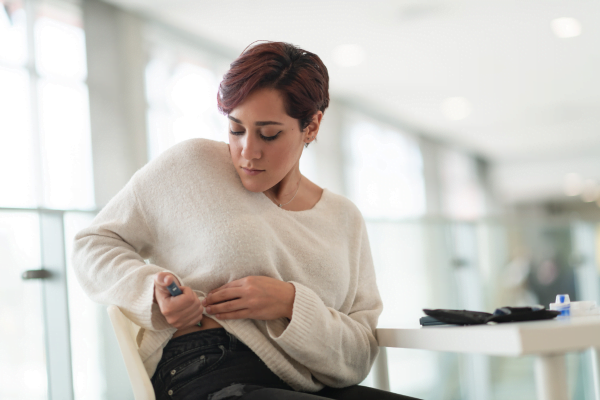
Pen devices streamline routine and can reduce dosing errors. If you are learning how to give insulin injection with pen, start with hands‑on teaching from a clinician or diabetes educator. Confirm the insulin type, prime the pen, dial the dose, and inject at the correct depth for your needle length. Keep the needle under the skin for several seconds before withdrawing.
Device choice matters. Reusable systems pair with prefilled cartridges, while disposable pens simplify travel. For a device overview, see NovoPen 4 for cartridge‑based operation details, and consider needle selection using BD Ultra‑Fine II Syringes guidance when switching between syringes and pens; consistent technique helps reduce leakage and site irritation.
Taking Insulin at Home: Safety and Routine
Home routines benefit from checklists and consistency. If you are exploring how to take insulin injection at home, organize supplies, confirm the dose, wash hands, and inspect the insulin. Check expiration dates and appearance. Keep a log of doses and glucose values to discuss at follow‑up visits.
Storage and handling affect potency. Basal cartridges and vials have specific in‑use times. For cartridge tips and device pairing, see the Insulin Cartridges Guide which outlines cartridge types and compatibility. If your regimen uses cartridges, review Lantus Cartridges details to align storage and replacement timing with manufacturer recommendations.
Tip: Keep a simple site‑rotation map on your phone. Rotating prevents lumps and supports steady absorption.
Timing Your Doses Around Meals and Sleep
Timing depends on insulin type and goals. People often ask when to take insulin for type 2 diabetes, especially when starting basal therapy. Most basal analogs work at the same time daily, independent of meals. Mealtime insulin usually aligns with the first bite or shortly before, depending on the formulation and your glucose.
Some older or intermediate insulins have distinct peaks. Knowing the onset and peak helps avoid unexpected lows. For practical examples and timing curves, see Humulin N Timing, which illustrates how NPH differs from flat‑profile analogs. If you shift schedules, discuss changes before moving dose times to maintain coverage and minimize overlap.
Recognizing and Managing Skin Effects
Injection sites deserve routine inspection. Common insulin side effects on skin include small bruises, redness, and lipohypertrophy (rubbery lumps). Less commonly, lipoatrophy (dents) or allergic reactions appear. Rotate sites, avoid reusing needles, and give irritated areas time to recover before injecting again. Report persistent reactions to your clinician, who may adjust needle length or insulin type.
Technique influences comfort. Pinch‑up methods, angle adjustments, and slower injections may help. If skin changes persist, review device choices and needle specifications with your care team. For broader education on glucose management topics beyond injections, browse our Diabetes Articles to find storage, timing, and formulation discussions that support day‑to‑day decision‑making.
Ultra‑ and Long‑Acting Options: Practical Cross‑References
Basal options come in multiple delivery forms. If you and your clinician choose glargine, compare vial‑and‑syringe routines with cartridges or prefilled pens. For vial use, see Lantus Vial details when confirming concentration and volume per mL. If you prefer disposable pens, review Lantus SoloStar Pens to understand priming steps and dial increments; these distinctions shape day‑to‑day technique.
Considering alternatives can clarify preferences. Degludec provides very long action, while detemir may need twice‑daily use in some patients. For side‑by‑side insights on duration and flexibility, consult Tresiba vs Levemir; this discussion helps frame trade‑offs in dose timing and titration around varied schedules and sleep patterns.
Recap
The path from Ultra‑Lente to Lantus shows how formulation science improved predictability and convenience. Safe home routines depend on technique, timing, and steady site rotation. Use structured logs and periodic reviews to course‑correct. When in doubt, align decisions with established standards and personalized goals.
This content is for informational purposes only and is not a substitute for professional medical advice.


