
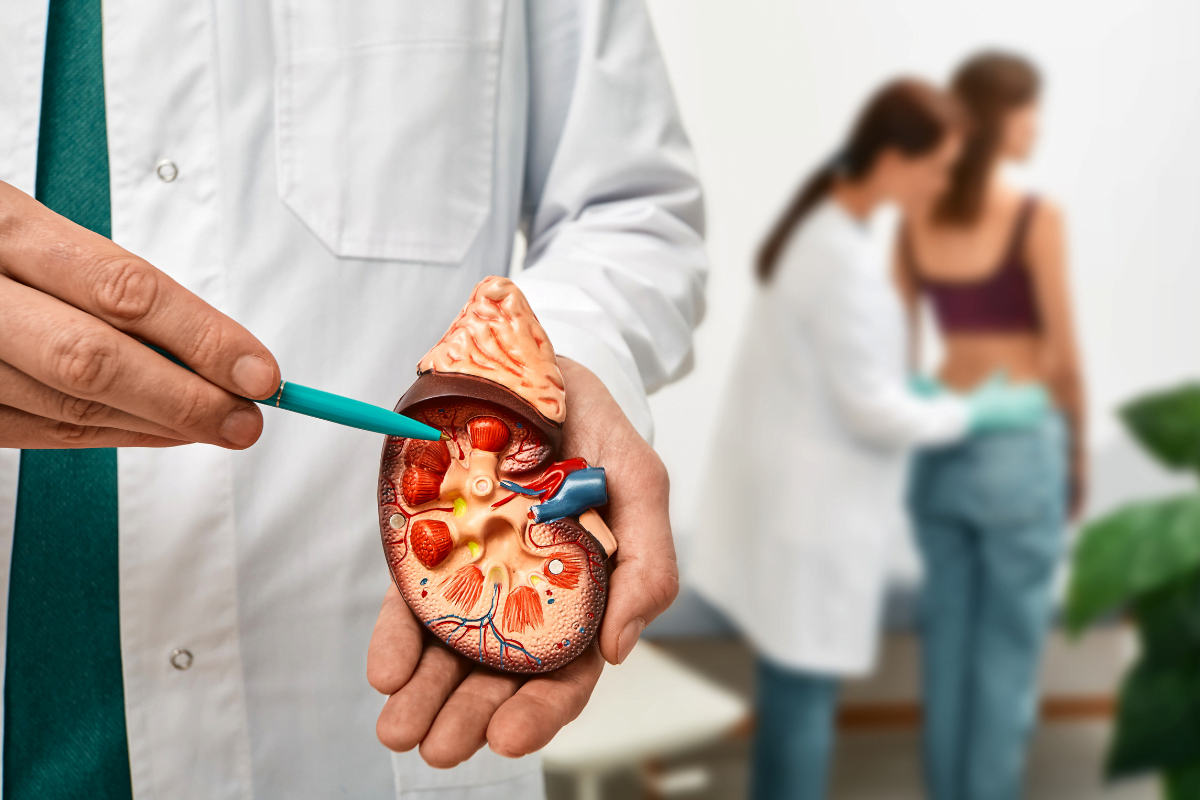
Farxiga is an SGLT2 inhibitor used to help protect kidney function in adults with diabetes and chronic kidney disease. This guide explains how it works, who may benefit, potential risks, and practical tips for daily use.
Key Takeaways
- Kidney protection and heart benefits: dapagliflozin helps lower kidney and cardiovascular risk.
- Expect an initial eGFR dip that usually stabilizes over weeks.
- Watch for genital infections, dehydration, and rare ketoacidosis.
- Hydration, sick-day rules, and lab monitoring improve safety.
- Coverage varies; review formularies and assistance options early.
How Farxiga Supports Kidney and Heart Health
Dapagliflozin lowers glucose reabsorption in the proximal renal tubule, increasing urinary glucose and sodium excretion. This reduces intraglomerular pressure and albuminuria, which can help slow chronic kidney disease progression. Patients often see a small, early decrease in estimated glomerular filtration rate (eGFR) that typically stabilizes over time as hemodynamics reset.
Large trials show kidney and cardiovascular benefits across a range of eGFR values and albuminuria. For background on disease pathways and staging, see Diabetic Kidney Disease for definitions used in CKD care. For class-wide heart outcomes context, see SGLT2 Inhibitors Heart Failure to understand how natriuresis and afterload changes support heart function. If you want product-specific formulation details, see Farxiga Dapagliflozin for strengths available and tablet forms.
Regulatory labeling outlines indications in type 2 diabetes, chronic kidney disease, and heart failure, along with safety considerations. For a concise overview of approved uses and warnings, review the US prescribing information published by the manufacturer. Kidney outcome evidence is supported by randomized studies; see the DAPA-CKD trial results for event reduction across albuminuria levels. Recent practice guidance aligns with these findings; refer to the KDIGO diabetes in CKD guideline for risk stratification and monitoring recommendations.
Understanding Dapagliflozin: Mechanism, Dosing, and Monitoring
Dapagliflozin works at the sodium–glucose cotransporter-2 in the kidney, promoting glucosuria and mild natriuresis. This hemodynamic effect can reduce intraglomerular hypertension and help preserve filtration over time. Clinicians often monitor kidney function, electrolytes, and volume status after initiation, especially when patients also take diuretics, ACE inhibitors, or ARBs.
The sglt2 inhibitors mechanism of action includes reduced glucose reabsorption, caloric loss, and modest osmotic diuresis. For a broader class primer and comparisons, see Jardiance Drug Class to understand similarities and differences among agents. Regarding practical strength choices and lab timing, see Farxiga Dapagliflozin Dosage for standard dosing frameworks referenced in care pathways. Dose changes or initiation windows should always follow individualized medical advice.
Uses and Patient Selection in Diabetes and CKD
Patient selection considers diabetes control, eGFR thresholds, albuminuria, blood pressure, and heart failure status. People with persistent albuminuria or prior cardiovascular disease may gain additional protection. Clinicians also weigh infection risk, hydration habits, and concurrent therapies that affect kidney perfusion.
Approved indications span glycemic control in type 2 diabetes, slowing CKD progression, and reducing heart failure hospitalization. For a deeper overview of farxiga uses in clinics and outpatient programs, see Farxiga Uses Guide to place kidney protection within broader metabolic care. If you are comparing dapagliflozin with other SGLT2 inhibitors, Invokana Drug Class offers a concise view of class similarities for context.
Common and Serious Side Effects: What to Watch
Genital mycotic infections, urinary frequency, and mild volume depletion are routine considerations. Patients with neuropathy or peripheral vascular disease should monitor foot health and hydration carefully. Rare but serious risks include ketoacidosis (sometimes with normal glucose), severe urogenital infections, and acute kidney injury in volume-depleted states.
Clinicians often discuss what are the most common side effects of farxiga during initiation visits and teach early symptom recognition. For an expanded list with practical mitigation steps, see Farxiga Side Effects to learn typical timelines and when to seek care. If recurrent infections occur, dose timing, hygiene, and situational pauses during acute illness may be reviewed to limit recurrence risk.
Practical Use: Hydration, Alcohol, and Daily Habits
Mild diuresis means fluid intake matters. People who sweat heavily, work outdoors, or take loop diuretics should plan regular water breaks and carry fluids during heat waves. Alcohol can worsen dehydration and may raise ketoacidosis risk during fasting, low-carb diets, or illness. Moderation and carbohydrate intake awareness are prudent.
Clinicians often answer how much water should you drink when taking farxiga by tailoring to activity, climate, and comorbid medications. As a general principle, maintain steady daily intake, and add extra fluids during illness or heavy exertion. For lifestyle-oriented reading within diabetes care, see Type 2 Diabetes to connect medication use with nutrition, exercise, and self-monitoring routines.
Weight and Metabolic Effects
Mild weight reduction may accompany therapy due to caloric loss through glucosuria. The effect tends to be modest and varies with diet, baseline weight, and other medications like insulin or sulfonylureas. Body composition and blood pressure changes may also shift slightly over time.
Some patients are interested in farxiga weight loss but should view it as a secondary effect rather than a primary goal. Discuss expectations early and track weight alongside glucose, eGFR, and albumin-to-creatinine ratio. For comparison among SGLT2 options that may influence weight and heart outcomes, see Empagliflozin Uses to understand class consistency and differences in evidence.
Cost and Coverage Overview
Coverage depends on region, plan design, and step-therapy rules. Formularies may require prior authorization, and copays can vary with deductibles and tiers. Patients often explore manufacturer assistance or plan exceptions when kidney or heart indications are prioritized.
Understanding the cost of farxiga on medicare helps families plan annual expenses and compare alternatives. When discussing affordability and substitutions, clinicians may also review generics or complementary options. For a sense of foundational therapy context, see Metformin Tablets to understand how background agents fit with SGLT2 inhibitors. In proteinuric CKD, clinicians may add non-steroidal MRAs; for context, review Kerendia Tablets to see where finerenone may be considered in care plans.
Dosing Strengths: 5 mg vs 10 mg
Two commonly used strengths are available. Clinicians usually begin with a standard approach based on indication and kidney function, then reassess labs and symptoms. Temporary pauses may be advised before surgery or during severe illness to reduce dehydration or ketoacidosis risks. Restart timing depends on recovery and labs.
Patients often ask what is farxiga 10 mg used for when balancing kidney protection with blood sugar control. Strength selection depends on indication, eGFR, interaction risks, and tolerability. For tablet strengths and packaging details, see Dapagliflozin Tablets to understand available options discussed in clinic. When heart failure predominates, clinicians may consult emerging evidence; for example, see Dapagliflozin Heart Failure Data for real-world perspectives on pressure-flow dynamics.
Tip: During acute illness, vomiting, or restricted intake, consider a sick-day plan discussed with your clinician to reduce dehydration and ketoacidosis risks.
Note: A small, early eGFR dip is usually expected and often stabilizes; unexpected or persistent declines warrant medical review.
This content is for informational purposes only and is not a substitute for professional medical advice.


