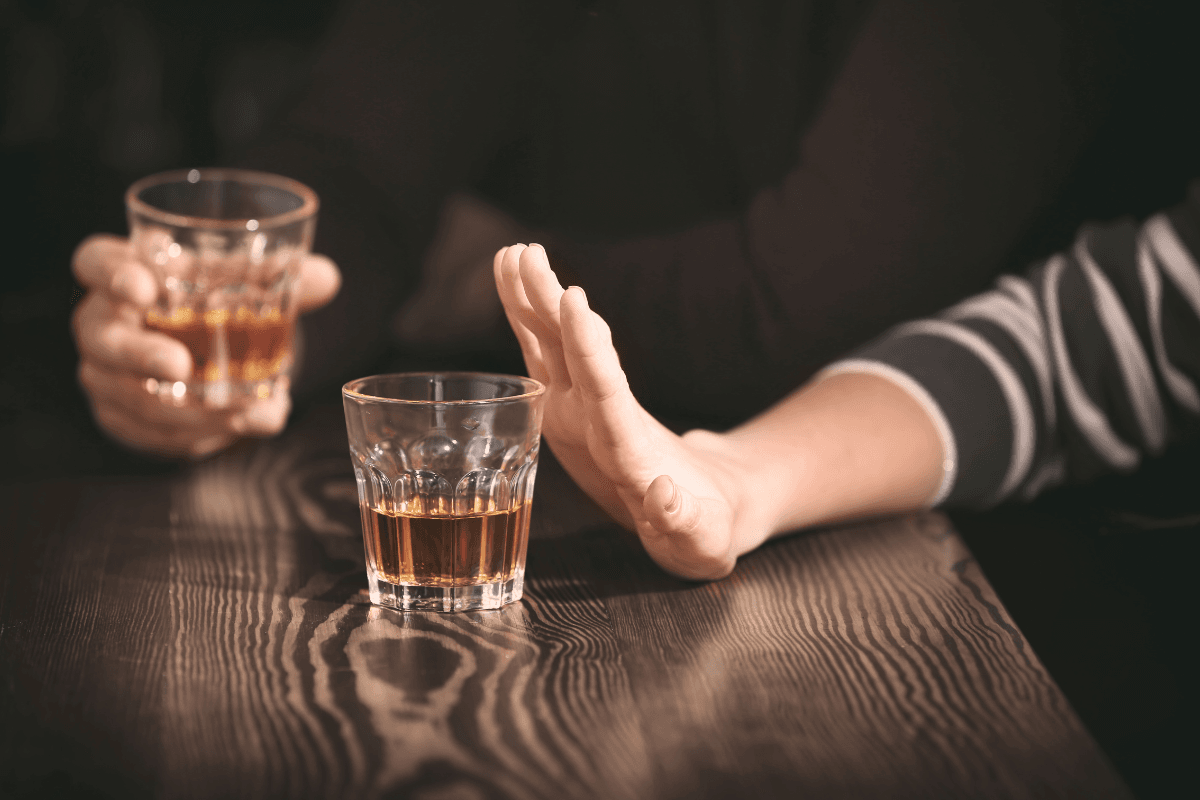
People ask how glp-1 and alcohol fit together during treatment. These medications change gastric emptying and appetite signals. Alcohol also affects blood sugar, hydration, and the gut. Understanding overlaps helps you plan safely and avoid unpleasant effects. This guide explains likely risks, practical limits, and warning signs to watch.
Key Takeaways
- Lower appetite and slower stomach emptying can intensify alcohol effects.
- Nausea, vomiting, and dehydration risks rise when drinking while symptomatic.
- Blood sugar swings are possible, especially with diabetes therapies.
- Cravings may decline in some people, but evidence is still emerging.
- Plan portions, pace, hydration, and symptom checks before each drink.
GLP-1 and Alcohol: Practical Risks and Considerations
GLP-1 receptor agonists slow gastric emptying (food and liquid leave the stomach more slowly). Alcohol may therefore absorb unpredictably, sometimes faster, sometimes delayed. The same dose could feel stronger, or the peak could arrive later. This variability makes pacing and portion control more important.
These medications commonly cause nausea, early fullness, and reduced appetite. Alcohol can aggravate each symptom, especially at the start of therapy or during dose increases. If you live with diabetes, added risks include hypoglycemia when alcohol is combined with insulin or secretagogues. Manufacturer labels also warn that delayed gastric emptying may alter the absorption of oral drugs. For official details on adverse effects and hypoglycemia precautions, review the Ozempic Prescribing Information (Novo Nordisk) provided by the FDA. Ozempic Prescribing Information.
Setting drinking limits remains helpful while using weekly or daily GLP-1 therapies. National organizations publish standard drink definitions and low-risk limits. For context on serving sizes and moderation ranges, see the federal low-risk drinking guidelines. Low-risk drinking guidelines.
For background on how GLP-1 therapy influences weight and metabolic health, you may find this overview useful for context. See GLP-1 Weight Loss Drugs for broader mechanisms. GLP-1 Weight Loss Drugs explains these effects and why they matter here.
How These Medications May Change Drinking Patterns
Many users report a natural drop in interest in alcohol. Several mechanisms could contribute. Central GLP-1 pathways influence reward processing, while delayed gastric emptying makes drinking feel heavier. Reduced appetite and early satiety can also lower intake. The combined effect may reduce frequency, portion sizes, or both.
Early human data are encouraging but not definitive. Observational reports and small studies suggest that interest in alcohol can decrease, especially as doses stabilize. Researchers continue to study whether these drugs directly dampen reward pathways for alcohol. For study summaries and ongoing data, see Semaglutide and Tirzepatide, which reviews published results in this space. Semaglutide and Tirzepatide offers a concise roundup.
Some patients describe glp-1 alcohol cravings decreasing after a few weeks. Others notice no change. Expect variability and reassess as your dose changes. If cravings drop significantly, you might set new limits and routines to match lower tolerance and interest.
What to Expect: Nausea, Intoxication, and Blood Sugar
Nausea and vomiting are the most common GLP-1 adverse effects. Alcohol can amplify these symptoms, particularly on dose-escalation weeks. For people on semaglutide or tirzepatide, even modest servings can feel rough if the stomach is irritated. Because vomiting dehydrates you, drinking afterward may worsen dizziness and fatigue.
People frequently search about ozempic and alcohol nausea because the combination can feel intense. If you feel queasy before a drink, consider delaying. If vomiting occurs, pause until symptoms resolve and fluids are restored. With diabetes, remember alcohol may lower or raise blood glucose, depending on timing, food intake, and other medications. For dosing context on weekly injectables and activity planning, you may find Wegovy and Exercise helpful. Wegovy and Exercise explains practical adjustments for active days.
Always monitor for signs of low blood sugar, especially if you use insulin or sulfonylureas. Symptoms include shakiness, sweating, confusion, and blurred vision. Eat beforehand, pace your drinks, and avoid drinking on an empty stomach. If you rely on oral semaglutide, delayed gastric emptying may alter timing for other oral medicines; plan spacing with your prescriber.
Practical Drinking Guidance on GLP-1 Drugs
Plan ahead on dose-escalation weeks. Nausea and early fullness may flare, so consider skipping alcohol on those days. Try smaller pours, longer spacing, and at least one nonalcoholic drink between servings. Eat a protein-rich meal first to slow absorption and support steady blood sugar.
When deciding can you drink alcohol on glp-1, use a symptom check first. Ask: Are you nauseated? Have you vomited this week? Are you hydrated? If any answer is yes or uncertain, delay until you feel stable. For more specific cautions on a single brand, see Ozempic and Alcohol Use for medication-specific risks and pacing strategies. Ozempic and Alcohol Use details steps for safer intake.
If you use injectable semaglutide, your product’s patient leaflet outlines common gastrointestinal effects. For package details and administration information, review Ozempic Pens. Ozempic Pens can help you locate label-based guidance about timing and expectations. For those on oral semaglutide, consider how taking Rybelsus on an empty stomach affects your morning routine. See Rybelsus Pills for context on oral dosing constraints. Rybelsus Pills provides key use directions.
To align drinking with weight goals, reduce liquid calories and avoid sugary mixers. A sensible pace is one standard drink per hour or less, with water in between. For broader nutrition strategies while you titrate doses, see Diet and Weight Loss for practical, GLP-1-friendly habits. Diet and Weight Loss outlines helpful swaps and meal timing.
Which Drinks Are Lower Risk?
Low-sugar options tend to feel gentler during treatment. Dry wine, light beer, and spirits with unsweetened mixers avoid large glucose swings. Smaller volumes also reduce nausea risk, particularly when your stomach is unsettled. Alternate with water and keep electrolytes on hand if you feel lightheaded.
When choosing the best alcohol to drink on glp-1, skip heavy cream liqueurs, sweet cocktails, and rapid-shot rounds. These choices strain the stomach and can spike blood sugar. Sip slowly, keep to the smallest effective portion, and stop early if fullness, reflux, or headache starts. For people focused on weight outcomes, Alcohol and Weight Loss discusses how beverage calories accumulate. Alcohol and Weight Loss highlights practical substitutions and pacing.
If you use tirzepatide, you may see products labeled Mounjaro or Zepbound. These agents share class effects like nausea and delayed gastric emptying. Be extra cautious with first and second doses as your body adapts. For brand-specific considerations during weight loss, see Zepbound and Alcohol for pacing and symptom checks. Zepbound and Alcohol summarizes practical considerations.
When to Pause or Seek Medical Advice
Stop drinking and seek care if you have severe, persistent vomiting, black stools, severe abdominal pain, or signs of pancreatitis. Dizziness, confusion, or fainting after modest alcohol also warrants caution. People with diabetes should check blood glucose more often after drinking, especially overnight. New or unusual symptoms after a dose increase require extra attention.
People often ask what happens if i drink alcohol while taking ozempic when they feel unwell. The short answer: the experience can be harsher. Nausea may spike, intoxication may feel stronger, and dehydration can worsen. If symptoms are severe, skip further alcohol, rehydrate, eat if possible, and contact a clinician if you cannot keep fluids down. For label-based safety statements about nausea and dehydration, see Wegovy labeling on GI adverse reactions and dose adjustments. Wegovy labeling.
Tip: Track your response across two to three drinking occasions. Small notes on portion size, meal timing, and symptoms help you decide future limits. This is useful when titration steps change tolerability.
Related Therapies and Changing Tolerance
Tolerance can shift as weight, diet, and medications change. If alcohol feels stronger than before, assume your limits are lower. Treat new GI discomfort as a sign to pause. Restart with a single small serving on a steady week, after confirming you are well hydrated and eating normally.
Some people notice cravings change more with one brand than another, likely reflecting individual sensitivity. If curiosity about new agents arises, see Orforglipron vs Rybelsus for context on oral versus oral comparisons. Orforglipron vs Rybelsus covers design differences that may influence daily routines. For pipeline updates that may affect future drinking guidance, Orforglipron Clinical Trials provides the latest study releases. Orforglipron Clinical Trials summarizes new data.
Brand choice also matters. Zepbound and Mounjaro share a molecule (tirzepatide) but serve different indications. For cardiometabolic context relevant to alcohol risks, Mounjaro Heart Benefits describes outcomes beyond weight loss that intersect with long-term risk management. Mounjaro Heart Benefits offers a broader view.
Planning Around Regimens and Routines
Weekly injection days are not automatically off-limits, but caution is wise. Many people feel queasier within 24–48 hours after a dose, especially early in treatment. If that fits your pattern, select nonalcoholic options or postpone drinks. A symptom diary helps identify safer windows.
Product labels contain specific administration details. If you need a quick refresher, brand pages collect the patient information leaflets. See Zepbound for label references and indication notes after your prescriber’s advice. Zepbound and Mounjaro KwikPen for device-specific handling tips you may find useful. Mounjaro KwikPen provide practical overviews. For long-term planning during maintenance, How Long to Take Ozempic explains typical treatment horizons and reassessment points. How Long to Take Ozempic outlines decision factors over time.
For category-level reading on nutrition, dosing routines, and lifestyle fit, browse Weight Management Articles to integrate alcohol choices with broader goals. Weight Management Articles collects many related guides in one place.
Recap
GLP-1 medicines can change how alcohol feels by slowing stomach emptying and reducing appetite. Nausea and dehydration risks increase when you drink during symptomatic periods. Blood sugar effects are variable, especially with other diabetes therapies. Conservative limits, slow pacing, and careful symptom checks reduce most issues.
If your tolerance or cravings shift, rebuild your plan with smaller portions and more spacing. Reassess during dose changes and after illness. Seek medical help for severe or persistent symptoms. For readers exploring broader lifestyle fit, Weight Management offers background that informs safer decisions. Weight Management organizes options and educational resources.
Note: This content is for informational purposes only and is not a substitute for professional medical advice.