
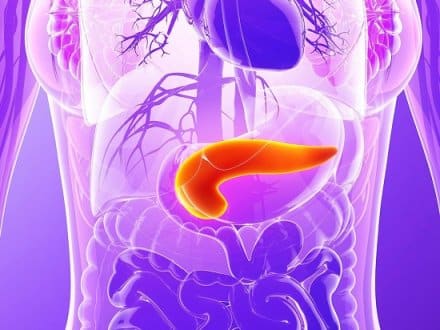
Understanding hyperinsulinemia helps you spot risks early and have informed discussions with your care team. This condition describes higher-than-expected insulin in the bloodstream, usually linked to insulin resistance and metabolic stress.
Key Takeaways
- Core concept: chronically high insulin often reflects insulin resistance and metabolic strain.
- Common drivers: excess weight, genetics, certain medicines, and rare tumors.
- Diagnosis: fasting insulin, glucose-insulin testing, and clinical context together.
- Treatment: nutrition, activity, weight loss, and selected medications.
- Documentation: accurate ICD-10 coding depends on etiology and presentation.
What Is Hyperinsulinemia?
Clinically, hyperinsulinemia (excess insulin in the blood) occurs when the pancreas secretes more insulin than expected for the glucose level. In plain terms, the body is pushing extra insulin to keep glucose controlled, often because tissues have become less responsive to insulin. The term overlaps with hyperinsulinism in some sources, though usage varies by context and age group.
Importantly, this state can exist with normal glucose or alongside prediabetes and type 2 diabetes. It may precede glucose elevation by years. The National Institute of Diabetes and Digestive and Kidney Diseases explains how insulin resistance underlies weight gain and metabolic risk, which often pairs with high insulin output (NIDDK on insulin resistance). That linkage matters because treating resistance helps reduce long-term cardiometabolic risk.
Causes and Risk Factors
Several mechanisms sit behind hyperinsulinemia causes, with insulin resistance leading the list. Adiposity, especially visceral fat, reduces insulin sensitivity in muscle and liver. The pancreas compensates by producing more insulin to keep glucose normal. Over time, beta cells may fatigue, and glucose begins to rise.
Other contributors include genetic predisposition, sleep deprivation, chronic stress, steroid therapy, and some antipsychotics. Rarely, an insulin-secreting tumor (insulinoma) drives inappropriate insulin release with low glucose. Weight biology and appetite signaling also matter; for a wider view of hormone-based weight care, see our overview of GLP-1 Weight-Loss Drugs for context on mechanisms and outcomes.
Signs and Symptoms
There is no single symptom profile, but common patterns emerge. People may report fatigue, intense hunger shortly after meals, difficulty losing weight, or lightheadedness when meals are delayed. Some experience shakiness and sweating during dips in glucose, especially with high carbohydrate loads.
Visible clues can include acanthosis nigricans (velvety skin darkening on the neck or armpits) and skin tags. Women can notice cycle irregularity or signs of polycystic ovary syndrome due to insulin’s hormonal effects. When tracking day-to-day management, practical strategies to reduce insulin spikes are summarized in Lower High Insulin Levels, which offers stepwise tactics you can discuss with your clinician.
Diagnosis and Testing
There is no single universal hyperinsulinemia test. Clinicians interpret fasting glucose, fasting insulin, and indices like HOMA-IR together with history and exam. Some patients undergo an oral glucose tolerance test with insulin measurements, which can show exaggerated insulin responses. In selected cases, a mixed-meal tolerance test helps identify symptomatic postprandial dips.
Laboratories differ in reference intervals, so trends and clinical context matter as much as one number. Continuous glucose monitoring may reveal post-meal drops even when fasting labs look normal. Food quality influences insulin demand; to understand how foods vary in insulin response, see the Food Insulin Index overview for examples and meal planning context.
ICD-10 Coding and Documentation
Documentation should describe the clinical scenario, suspected etiology, and complications. Payers and institutions may map hyperinsulinemia icd-10 differently depending on whether hypoglycemia, insulin resistance, or a specific endocrine disorder is the principal issue. Many scenarios are coded based on the dominant problem (e.g., hypoglycemia episodes, drug effects, or pancreatic disorders), not the insulin level alone.
Include relevant comorbidities such as obesity, dyslipidemia, and type 2 diabetes, plus medication effects if present. When hypoglycemia is a prominent feature, documentation should specify with or without coma and whether diabetes is present. For official rules and examples, consult the current ICD-10-CM guidelines published for U.S. coding.
Nutrition and Lifestyle Strategies
Dietary patterns that lower insulin demand can help metabolism stabilize over time. A practical approach emphasizes minimally processed foods, higher fiber, and protein at each meal. Many people find that lower-glycemic carbohydrate choices reduce swings in hunger and energy. Coaches often tailor plans around culture, budget, and preferences for sustained adherence.
Regular activity improves insulin signaling in muscle and liver. Short walking bouts after meals, resistance training twice a week, and adequate sleep can meaningfully reduce insulin needs. If you are planning meals, our explainer on the Living With Diabetes basics offers practical habits you can adapt. For more nutrition specifics and menu templates, the Lower High Insulin Levels guide outlines daily steps you can review with a dietitian.
Managing With Food: Practical Focus
A structured hyperinsulinemia diet often centers meals around non-starchy vegetables, lean proteins, legumes, and unsweetened dairy, while limiting refined grains and added sugars. Some adults do well with Mediterranean-style patterns; others use lower-carbohydrate frameworks with careful fiber intake. Hydration, sodium balance, and consistent meal timing can reduce reactive hunger.
Some patients explore time-restricted eating. Discuss this with a clinician if you have diabetes medications or a history of hypoglycemia. If you are using weight-loss pharmacotherapy, be aware of gastrointestinal effects; for common experiences and pacing, review Zepbound and Fatigue for practical tips to manage early side effects.
Medications and Procedures
When lifestyle steps are not enough—or when comorbidities are present—clinicians may use proven agents. Metformin for hyperinsulinemia is frequently chosen to improve hepatic insulin sensitivity and reduce hepatic glucose output. In weight-driven insulin resistance, GLP-1 receptor agonists or dual-agonists can aid weight loss and may reduce insulin levels indirectly through better satiety and glycemic control.
SGLT2 inhibitors offer additional glycemic and cardiovascular benefits in appropriate patients with type 2 diabetes. In patients with severe obesity and metabolic complications, bariatric metabolic surgery can markedly improve insulin sensitivity. For a deeper dive into cardiometabolic outcomes with incretin therapy, see Mounjaro Heart Benefits for context on heart-related endpoints. The American Diabetes Association summarizes medication roles and risk-factor targets in its annual standards (ADA Standards of Care).
If metformin is prescribed, extended-release options may improve gastrointestinal tolerance. For product specifics and formulations, see Glumetza when considering once-daily dosing convenience. Combination therapy can be considered in selected cases; for example, sitagliptin/metformin can target multiple pathways—review Janumet XR for combination details and dosing forms.
Living Day to Day
Many cases involve hyperinsulinism in adults with overlapping metabolic syndrome. Regular follow-up, weight tracking, and a simple activity plan can sustain momentum. Consider a food and symptom log to spot patterns in hunger, energy, or lightheadedness. If you also manage diabetes, setting realistic expectations and supports matters.
Behavioral fatigue is common with long-term conditions. Practical coping tools can help you maintain changes over months and years. For emotional and routine support strategies, see Diabetes Burnout for ways to prevent motivation dips. Device skills also reduce friction; if you use injectable therapies for comorbid diabetes, the stepwise primer How To Use an Insulin Pen covers safe technique and storage.
Related Questions and Clarifications
People often ask whether this condition equals diabetes. It does not by itself; rather, it reflects insulin resistance or excessive secretion relative to glucose. Another common question is safety—sustained insulin excess links to cardiometabolic risk, but risk varies by cause, severity, and coexisting conditions. Discuss your individual profile with your clinician and align on priority changes.
Diet remains a core tool, but no single plan fits everyone. Some people are high insulin levels but not diabetic, which can change over time. Monitoring and periodic reassessment help track how your body responds to interventions. For adjacent topics such as medication comparisons and emerging agents, our overview Orforglipron vs Rybelsus summarizes differences in effect profiles, and How Long Can You Take Ozempic discusses duration themes and monitoring.
Recap
High circulating insulin often signals insulin resistance and metabolic stress. Diagnosis uses fasting and post-meal measures interpreted with clinical context. Management pairs nutrition, activity, weight reduction, and selected therapies to reduce insulin demand and address risks. Coding and documentation should reflect the underlying driver and complications to guide care and reimbursement.
Note: If symptoms worsen, cause uncertainty, or include severe hypoglycemia, seek prompt clinical evaluation.
This content is for informational purposes only and is not a substitute for professional medical advice.


