
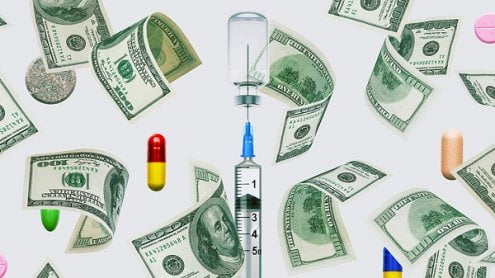
Understanding why is insulin so expensive in the us helps patients, clinicians, and policymakers target real solutions. This guide maps the market forces, legal history, and practical steps that shape what people pay at the counter.
Key Takeaways
- Market structure: Few manufacturers and complex rebates concentrate pricing power.
- Coverage design: Formularies, deductibles, and caps determine out-of-pocket costs.
- Biosimilars: Competition is growing, but uptake varies by plan and pharmacy.
- Policy shift: Federal and state actions aim to curb costs, especially for seniors.
Why is Insulin so Expensive in the US
Insulin list prices rose for years due to concentrated manufacturing, patent evergreening, and opaque rebate negotiations. A small number of companies dominate modern analog insulins, which allows aggressive launch pricing and slower price erosion.
Middlemen also shape final costs. Pharmacy benefit managers (PBMs) negotiate rebates and place products on formularies, which can push manufacturers to raise list prices to secure favorable placement. State and plan rules further alter patient spending; for a state-by-state lens, see Insulin Pricing by State for how caps and policies vary across jurisdictions.
How Insulin Is Made and Why It Matters
Insulin is a biologic made from living cells, not a simple chemical pill. That complexity affects manufacturing scale, quality controls, and the difficulty of exact copies. Understanding biosimilar standards helps explain why interchangeable versions took time to reach pharmacies and formularies.
In practical terms, how is insulin made influences price competition because cell lines, purification methods, and delivery device integration are capital intensive. Emerging biosimilars can lower net costs, but switching depends on plan rules and pharmacy stocking. For device implications and patient technique considerations, see Insulin Pen vs Syringe for pros and cons that may affect total spending.
Prices, Coverage, and Out-of-Pocket Realities
Patients often ask how much does insulin cost, but the answer depends on benefit design. List prices differ from net prices after rebates, and deductibles, copays, and coinsurance all change what a person pays at the counter. Nonpreferred products on a formulary can carry higher coinsurance even if the list price looks similar.
To compare retail quotes and discount pathways, see Compare Insulin Prices for a structured approach to pharmacy shopping. If you are optimizing monthly budgets, Cut Insulin Costs lays out practical steps like timing refills around deductible resets and considering therapeutic alternatives under prescriber guidance.
Patent Churn and Biosimilar Competition
A century after discovery, debates continue about exclusivity and device-linked protections. Patients often wonder, is insulin patented, and the answer is nuanced. While early insulin patents expired long ago, modern analog formulations and delivery systems have layered protections that delay direct competition.
As biosimilars and interchangeable insulins expand, plan policies will influence adoption. For a case example of a long-acting analog alternative, see Basaglar Cartridge Guide for how a follow-on product positions itself clinically and economically. For brand-specific pharmacology context, What Is Toujeo outlines a concentrated glargine’s profile, which can affect dosing logistics and device costs.
Ten-Year Trend: Data, Shifts, and What Changed
Observers track the price of insulin over the last 10 years to understand reform impact. Trends show periods of sharp list price increases, followed by recent announcements of lower list prices or capped programs across several products. However, plan-by-plan variation remains wide, and not all patients experience the same savings at the counter.
When you analyze trend lines and any insulin prices chart 2024, account for net versus list price, and for the shift of many insulins to the biologics framework in 2020. Historical rebates complicate comparisons across years. For broader context and adjacent cost topics, browse Diabetes Articles where policy and therapy updates are tracked across states and payers.
U.S.–Canada Price Contrast and Access
Media often highlight insulin price usa vs canada because list and net prices can differ by market rules. Canada uses federal and provincial oversight, reference pricing, and formulary negotiation that may restrain launch prices more than typical U.S. arrangements. Patients sometimes see striking pharmacy differences, though access, supply, and prescribing regulations also matter.
International comparisons should weigh dosage forms, package sizes, and reimbursement structures. The cost of insulin by country varies with purchasing power and procurement mechanisms. Patients should discuss any cross-border considerations with their prescriber and review applicable laws. For budgeting tactics that do not rely on geography, see Reduce Diabetes Costs for daily management ideas that can lower ancillary expenses.
PBMs, Rebates, and Policy Actions
Rebates are central to formulary placement, but they can distort visible prices. Recent scrutiny includes the ftc lawsuit against pbms and reports highlighting opaque fee structures that may raise payer and patient costs. For an overview of current competition concerns, see the FTC’s policy releases, which summarize investigations and recommendations.
Coverage caps can change out-of-pocket results for specific groups. Medicare now limits many Part D insulin copays to $35 per month, which substantially reduces variability for enrolled seniors; details are outlined by Medicare.gov coverage pages. State caps, when present, typically apply to fully insured plans and may not cover large self-funded employer plans; for practical navigation steps, consult U.S. Prescription Policies, which explains plan types and appeals.
Practical Steps to Lower Costs
Start by listing all current insulins, delivery devices, and supplies. Ask your care team about therapeutically similar options on lower formulary tiers, and request a coverage exception if justified by clinical need. To structure a search across pharmacies and coupons, use Compare Insulin Prices to map options side by side with copay estimates.
Pharmacy timing and refill quantities matter. Consider 90-day fills if your plan reduces dispensing fees, and align refills with deductible cycles when possible. For concrete, stepwise tactics, Cut Insulin Costs and Reduce Diabetes Costs provide checklists that patients can adapt with their clinicians. If you need detail on paperwork, prior authorizations, or exceptions, see U.S. Prescription Policies for step-by-step documentation tips.
Clinical Context and Historical Perspective
Insulin is essential because it replaces or supplements endogenous insulin to regulate blood glucose. Without adequate insulin therapy, risks of hyperglycemia and diabetic ketoacidosis rise, which can be life-threatening. For a neutral overview of physiology and treatment roles, consult the NIDDK’s treatment pages, which summarize current therapeutic categories.
Historically, insulin discovery transformed diabetes care. The hormone’s clinical use dates to 1921–1922 with the Toronto team, while naming and early conceptual work trace back earlier. This timeline helps explain why early patents ended long ago, yet modern analogs created new intellectual property around modifications and delivery systems.
Recap
The U.S. insulin market reflects complex production, concentrated competition, and benefit design rules. Policy changes and biosimilars are improving affordability for many, but results still vary by plan and pharmacy. Patients can make meaningful progress by comparing options, using formulary tools, and coordinating with their care team.
This content is for informational purposes only and is not a substitute for professional medical advice.


