
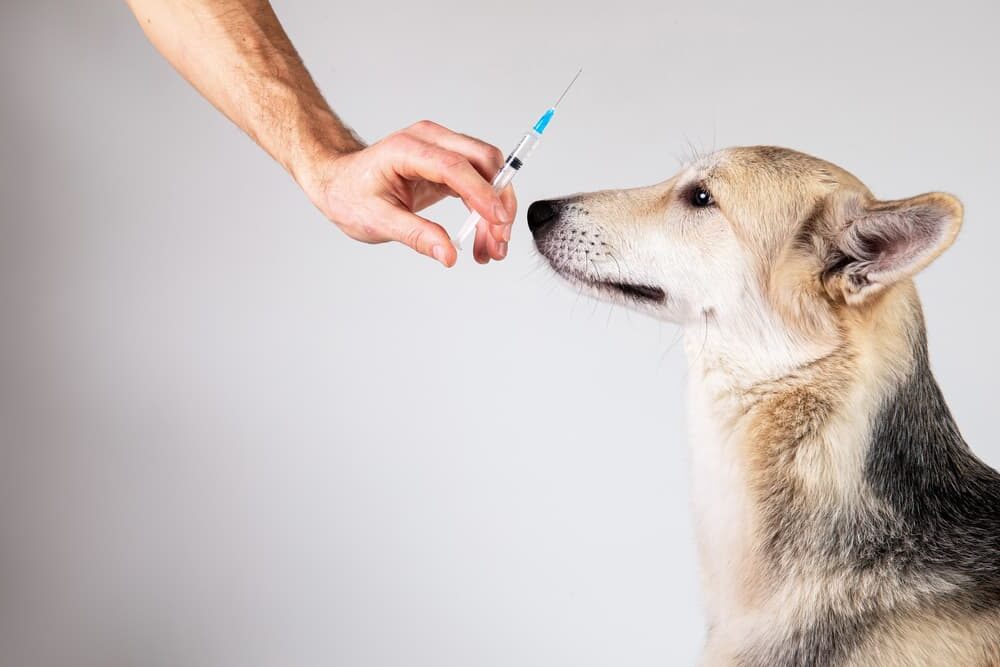
Most dogs with diabetes need daily insulin shots for dogs. This guide explains practical steps, safety checks, and comfort techniques. It uses clear language with clinical terms, so you can follow your veterinarian’s plan with more confidence.
Key Takeaways
- Consistent routine: same food, timing, and injection habits reduce glucose swings.
- Rotate sites: small technique changes can improve comfort and absorption.
- Watch safety signs: low or high sugar symptoms need prompt action.
- Work with your vet: dose changes depend on glucose data and exams.
Insulin Shots for Dogs: Basics
Insulin replaces what a diabetic dog’s pancreas no longer makes. It lowers high blood glucose (hyperglycemia) and reduces excessive thirst (polydipsia) and urination (polyuria). Most dogs receive injections twice daily with meals, but exact timing and type vary by prescription and response. For a broader overview of how insulin helps pets, see Managing Pet Diabetes for context on species differences.
Consistency matters. Use the same food, amount, and injection timing each day. Many plans pair injections with meals to reduce hypoglycemia (low blood sugar) risk. For labeled guidance on timing and handling, review the manufacturer’s Vetsulin prescribing information as a reference point, and follow your veterinarian’s instructions.
When Dogs Need Insulin: Diagnosis and Monitoring
Veterinarians diagnose diabetes with history, exam, and lab tests. Typical signs include weight loss despite eating, increased thirst, and more frequent urination. Confirmatory tests may include fasting glucose, fructosamine (average blood sugar marker), and urinalysis. Your dog may also have concurrent conditions that affect control, such as infections or pancreatitis.
After diagnosis, ongoing monitoring guides dose adjustments. Your vet may recommend glucose curves, spot checks, or continuous monitors. For symptom patterns and treatment overview, see Diabetes in Dogs: Signs and Treatment to compare common clinical pathways. If glucose stays high despite proper dosing and technique, review Insulin Resistance in Dogs for potential causes and next steps your clinician may consider. For broader practice guidance, the AAHA diabetes guidelines outline monitoring options used in primary care.
Dosage Fundamentals and Charts
Dose selection is individualized. Veterinarians consider body weight, diet, insulin type, and comorbidities. Early dosing focuses on safety and steady routines, not rapid normalization. Expect several weeks of fine-tuning with data from home logs and clinic curves. Using consistent equipment and technique reduces variability, which makes patterns clearer.
Owners often ask for a dog insulin dosage chart by weight. Charts can illustrate starting logic, but they are not a substitute for veterinary judgment. Dose changes depend on clinical signs, glucose values, and trends, not weight alone. For practical safety checks that prevent dosing mistakes, see Pet Insulin Dosage for common pitfalls and correction strategies your vet may endorse.
Injection Technique and Sites
Proper technique improves comfort and absorption. Most canine insulin is given subcutaneously (under the skin) over the shoulders, along the flank, or near the chest wall. Rotate locations to reduce lipodystrophy (fat tissue changes) and improve predictability. A calm setup, steady hand, and correct needle depth help reduce stress for you and your dog.
Ask your care team to review dog insulin injection sites and demonstrate rotations on your pet. Syringe and pen options differ in feel and handling. For device comparisons, see Insulin Pen vs Syringe for pros and cons in daily use, and review Insulin Pen Needles Guide to match needle length and gauge with your vet’s advice. For supplies that support consistent technique, BD Ultrafine II Syringes may help achieve precise, repeatable injections.
Tip: Practice with saline or an empty device under veterinary supervision. Muscle memory lowers anxiety and reduces errors when using new equipment.
Troubleshooting Injection Discomfort
Some dogs flinch, yelp, or tense during injections. Anxiety can raise stress hormones and destabilize glucose. Small adjustments in handling often help: offer a treat, use a non-slip mat, and keep sessions calm and brief. Check needle sharpness and avoid reusing needles, which can burr and pull skin.
If you wonder how to give a painless insulin shot to a dog, focus on three steps: lift a small skin tent, insert at a shallow angle, and inject steadily without pushing tissue. Rotate sites and avoid areas with scar tissue or irritation. If pain persists, ask your vet to assess needle size, device choice, and your technique in person.
Safety: Underdose, Overdose, and Red Flags
Both low and high blood sugar can harm dogs. Early recognition prevents complications. Watch for symptoms of not enough insulin in dogs: persistent thirst, frequent urination, weight loss, and lethargy. Very high levels can progress to diabetic ketoacidosis (acid buildup), which may cause vomiting, dehydration, and weakness. If you see severe signs, seek urgent veterinary care.
Low blood sugar may cause shakiness, hunger, unsteady gait, or seizures. Offer a quick sugar source only if directed for mild episodes, then contact your veterinarian. The Merck Veterinary Manual summarizes common complications and monitoring points. For product-specific handling and timing examples, see Caninsulin Vial for label-based concentration and duration details your vet may reference.
Note: Never change dose or insulin type without veterinary guidance. Dose errors can cause rapid swings and emergency visits.
Setting Safe Dose Ranges
Dose ceilings vary by insulin type, body weight, and clinical response. Veterinarians may increase in small steps based on glucose curves and signs at home. Patterns across days matter more than a single reading. If control fails despite careful technique, your vet may evaluate absorption issues, diet, or concurrent illnesses.
Owners sometimes ask about the maximum insulin dose for dogs. There is no universal number because insulin potency, diet, and disease factors differ. Instead, your clinician will set an individualized ceiling and adjust only with supporting data. When discussing long-acting options and titration strategy, see Lantus for Dogs for background on glargine protocols and monitoring considerations.
Common Dosing Questions
Many caregivers worry about range and safety. When considering is 20 units of insulin a lot for a dog, the answer depends on weight, insulin type, and glucose data. A small dog might need far less than a large dog. The same unit number can mean different effects across formulations. Always bring records of meals, timing, and readings to dose-review visits.
If you miss a dose or give it late, do not double the next injection unless your veterinarian instructs otherwise. Keep a written plan for low or high readings, including when to call the clinic. A simple checklist near your supplies reduces mistakes during busy mornings.
Advanced Options and Research
Some owners ask about needle-free insulin for dogs. Emerging technologies and investigational devices exist, but most dogs still use syringes or pens. Continuous glucose monitoring can help some patients by revealing patterns that finger-stick checks may miss. Discuss suitability, training, and cost before adopting new tools.
Researchers continue exploring alternative delivery routes and formulations. Oral insulin for pets remains limited by digestion and absorption barriers, though novel carriers are under study. Cartridge systems and pens can improve convenience for steady routines; for device background, see Insulin Cartridges Overview. For long-acting options used in veterinary plans, review Levemir Penfill Cartridges when discussing choices with your clinician.
Tools, Supplies, and Handling
Organize a dedicated kit: insulin, syringes or pen needles, meter or monitor, and a logbook. Store insulin as labeled, protect from heat, and avoid freezing. Use one consistent device type to reduce unit conversion errors. Dispose of sharps safely using a proper container, not household trash.
To streamline refills and compatible formats, review Caninsulin Cartridges alongside your current pen system. For needle selection and safe handling practices, see BD Needles Explained to compare sizes used in veterinary care. If you want to explore broader topics and updates, the Pet Health category collects related articles for ongoing learning.
Quality of Life, Longevity, and Hard Decisions
Most dogs respond well to insulin and enjoy meaningful routines. Quality of life depends on stable glucose, manageable comorbidities, and family capacity for daily care. Track appetite, activity, body condition, and joy markers like play or walks. A short weekly note in your log helps you notice trends early.
Near the end of life, dogs may show progressive weakness, repeat infections, weight loss, or poor response to treatment. Compassionate choices should weigh comfort, treatable causes, and your dog’s daily enjoyment. Your veterinarian can guide palliative options and recommend when further escalation may no longer help. Discuss preferences early, so decisions feel informed rather than rushed.
Recap
Daily injections and steady routines form the backbone of canine diabetes care. Good technique, structured monitoring, and thoughtful adjustments help most dogs live well. Keep records, rotate sites, and work closely with your veterinary team. When problems arise, address comfort, safety, and realistic goals together.
This content is for informational purposes only and is not a substitute for professional medical advice.


