
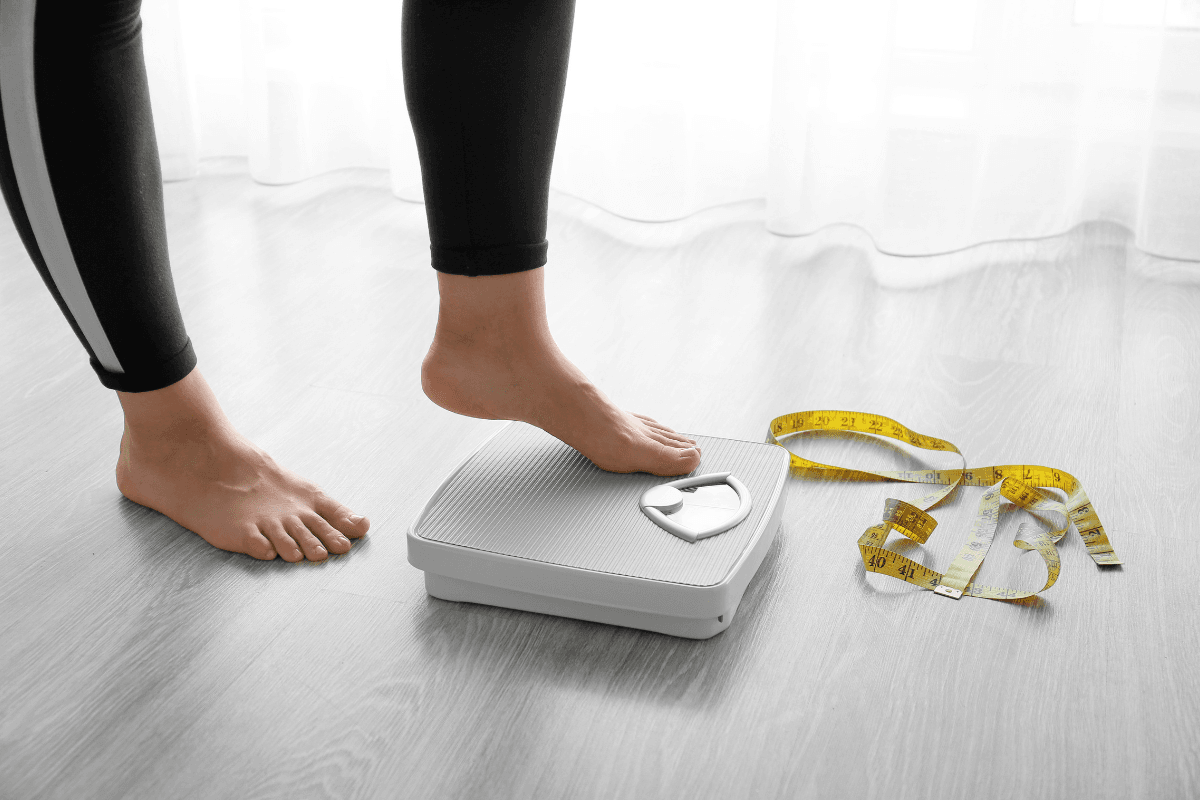
Many people starting insulin worry about insulin and weight gain. Weight can shift for several reasons, including better glucose control and fewer calories lost in urine. This guide explains what drives changes, how to limit unwanted gain, and when to investigate weight loss. You will also find approaches to build healthy mass without spiking blood sugar.
Key Takeaways
- Weight drivers: restored calories, anabolic effects, and hypoglycemia.
- Structured meals: protein, fiber, and carb consistency reduce swings.
- Activity matters: resistance plus walking helps glycemic and weight goals.
- Medication choices: some combinations reduce hunger and overeating.
- Monitor trends: unexpected loss or rapid gain needs clinical review.
Insulin and Weight Gain: Mechanisms Patients Should Understand
Insulin moves glucose into cells and limits breakdown of fat and muscle. After starting therapy, fewer calories spill into urine, and the body stores more energy. That combination may increase weight, especially if hypoglycemia triggers extra snacking. Dose timing, snack structure, and activity patterns can amplify or lessen these effects.
Clinical guidance notes that insulin commonly carries a weight effect, while emphasizing individualized care. For a patient-focused overview, see the NIDDK guidance on diabetes medicines, which discusses side effects including weight changes in accessible detail from a U.S. health institute. Professional recommendations in the ADA Standards of Care also address weight considerations alongside glycemic targets.
Insulin type plays a role in day-to-day experience. Rapid-acting doses before meals can invite “correction” snacks if lows occur. Basal doses may raise appetite if set too high overnight. Reviewing patterns and reducing hypoglycemia can help interrupt the weight cycle.
Typical Weight Changes on Insulin
Early weight shifts vary by baseline control, diet, and activity. People with high A1C often regain “lost” water and glycogen first, then settle into slower changes. Individuals with type 1 diabetes may see different patterns than those with type 2 diabetes because of age, body composition, and residual insulin production.
Studies describe a wide range, but the average weight gain on insulin depends on starting A1C, dose adjustments, and meal habits. Weight may stabilize with consistent carb intake and fewer hypoglycemic events. For mealtime dosing context and appetite effects, see Humalog Weight Gain for practical considerations and risk factors.
Preventing Unwanted Gain: Nutrition, Activity, and Dosing Hygiene
Several steps can reduce overeating triggered by lows or swings. Begin with a structured plate: non-starchy vegetables, lean protein, and high-fiber carbs. Protein at each meal supports satiety and reduces late hunger. This approach also helps minimize “correction” snacks that follow rapid glucose drops.
Walking after meals increases glucose uptake without extra insulin. Two to three short walks may help smooth daytime profiles. Resistance training two to three times weekly supports muscle retention during calorie reduction. To understand how to stop insulin weight gain, track hypoglycemia patterns, review dose timing, and use preplanned, measured carb treatments for lows. For broader management topics, the Type 2 Diabetes articles provide structured education and lifestyle frameworks.
When Insulin Leads to Weight Loss
Occasionally, people lose weight after dose changes. The question “does insulin make you lose weight” has a nuanced answer. Insulin itself promotes storage, but weight may drop if starting insulin reduces dehydration and normalizes eating patterns. Unintentional weight loss can also signal underdosing, malabsorption, thyroid issues, or other conditions.
Consider patterns: ongoing high glucose with weight loss suggests insufficient insulin or missed doses. Nausea, early fullness, or variable appetite may point to gastroparesis. If loss is unexplained or rapid, contact your care team. For background differences by diagnosis, the Type 1 Diabetes section covers unique considerations like autoimmune comorbidity and higher glycemic variability.
Building Healthy Mass Without Spikes
Some patients aim to gain lean tissue safely. The key is progressive resistance training paired with adequate protein and consistent carbohydrate. Distribute protein across meals, and add a modest calorie surplus from unsaturated fats and slow-digesting carbs. Time pre-exercise carbs if needed to prevent lows.
For those asking how can a diabetic gain weight and muscle, prioritize strength training, 1.2–1.6 g/kg/day of protein if appropriate, and measured snacks around workouts. Choose lower-glycemic carbs such as oats, berries, or legumes. If stomach fullness limits intake, consider calorie-dense options like nut butters or olive oil. Coordinate plan changes with your clinician to avoid hypoglycemia during training blocks.
Abdominal Fat and Insulin Resistance
Central (visceral) fat increases cardiometabolic risk more than fat under the skin. Reducing waist circumference requires both calorie control and activity. Fiber-rich foods, adequate sleep, and stress management help blunt late-night eating. Consistent meal timing also stabilizes insulin needs.
People often ask how to get rid of insulin belly fat. There is no spot-reduction method, but modest calorie deficits, resistance training, and post-meal walks target overall fat and improve insulin sensitivity. For program ideas and monitoring strategies, see our Weight Management resources for practical routines and tracking tools. External behavioral guidance from the CDC on healthy eating provides additional structure for meal planning.
Medication Choices and Adjuncts
Different insulin regimens affect appetite and lows in different ways. Some long-acting analogs may offer smoother profiles, which can reduce hypoglycemia-driven snacking. However, no insulin is specifically designed for weight loss. Patients frequently ask which insulin does not cause weight gain. While formulations differ in day-to-day profiles, weight effects still depend on overall dosing, diet, and activity.
Adjunct therapies may help curb appetite and dose needs in some cases. GLP-1–based therapies can reduce hunger and support weight goals for suitable patients. For context on combinations, see Lantus SoloStar Pens for basal background and Ozempic Semaglutide Pens for an incretin option. To compare incretin agents, review Wegovy vs Mounjaro for mechanisms, and Ozempic Rebound for strategies to maintain results.
Diet Patterns That Support Stability
Prioritize minimally processed foods, adequate protein, and high-fiber carbohydrates. Aim for consistent carbohydrate portions across meals to smooth prandial dosing. Many people find a Mediterranean-style pattern practical and sustainable. Tracking beverages and snacks often reveals hidden calories and late spikes.
Understanding how to control blood sugar for weight loss starts with matching insulin to food rather than chasing swings later. Consider pre-bolus timing when appropriate, and log meals plus doses to spot patterns. For additional nutrition structure, see Diet and Weight Loss for evidence-informed frameworks you can adapt with your clinician.
Recap
Weight change with insulin reflects physiology and everyday habits, not just willpower. You can limit unwanted gain by reducing lows, structuring meals, and staying active. If you are losing weight unexpectedly, check in with your care team. Small, steady adjustments usually beat large, unsustainable swings.
Note: Keep a simple weekly log of weight, waist, average glucose, and hypoglycemia episodes. Patterns over time guide safer, more effective tweaks.
This content is for informational purposes only and is not a substitute for professional medical advice.


