
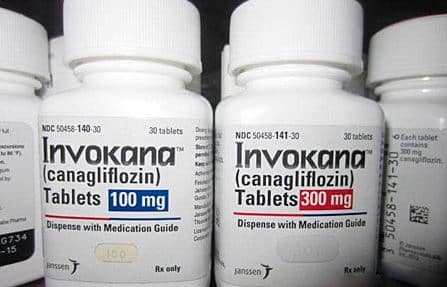
Understanding invokana uses helps you discuss goals and risks with your clinician. This guide explains who may benefit, how it works, and what to monitor, using both clinical terms and plain language. It also outlines dose basics, precautions, and options if a different medicine fits better.
Key Takeaways
- Who benefits: Adults with type 2 diabetes needing glucose-lowering or renal-cardiovascular risk reduction.
- How it works: Blocks kidney glucose reabsorption to lower blood sugar.
- Safety first: Watch hydration, kidneys, infections, and rare ketoacidosis.
- Dosing basics: Usually taken once daily before the first meal.
- Alternatives exist: Other SGLT2s or combination therapies may suit some.
What Is Canagliflozin? Class and Mechanism
Canagliflozin is an SGLT2 inhibitor (sodium-glucose cotransporter-2 blocker). It reduces renal glucose reabsorption, causing the kidneys to excrete more glucose in urine. This can lower fasting and post-meal glucose, independent of insulin secretion. In everyday terms, the medicine helps your body pass extra sugar through the urine.
Research also shows class effects on kidney and heart outcomes in selected patients with type 2 diabetes. For consensus guidance on where SGLT2 inhibitors fit in care pathways, see the ADA Standards of Care for current recommendations. For background on SGLT2 category basics, our overview Invokana Drug Class offers additional context relevant to mechanism and benefits.
Clinically, the invokana mechanism of action leads to modest diuretic effects and caloric loss. This can influence volume status and weight. It may also interact with other therapies that alter blood pressure or hydration. These features guide dosing, monitoring, and patient selection.
Invokana Uses and Indications
Invokana (canagliflozin) is used as an adjunct to diet and exercise to improve glycemic control in adults with type 2 diabetes. It may be used alone or with other agents, such as metformin, GLP-1 receptor agonists, or insulin, when clinically appropriate. Choice depends on A1C goals, comorbidities, and tolerance.
Beyond blood sugar, canagliflozin has label-based benefits in selected patients at higher renal and cardiovascular risk. Evidence supports risk reduction for kidney disease progression and certain cardiovascular outcomes in adults with type 2 diabetes and established disease profiles. For a lay summary of heart failure applications across this drug class, see our primer SGLT2 Heart Failure Care, which situates Invokana alongside peer therapies.
Note: Invokana is not approved for type 1 diabetes and is not indicated for diabetic ketoacidosis. For the latest labeled indications and limitations of use, consult the official FDA prescribing information.
Regulatory Status and Indications
Labeling outlines the invokana indications for adults with type 2 diabetes, including glycemic control as add-on to lifestyle measures. Additional indications address reduction of certain kidney and cardiovascular risks in appropriately selected patients with existing disease and albuminuria. These approvals stem from large outcomes trials that informed regulatory updates.
Regulatory language also details use limitations in severe renal impairment, dialysis, and non-type 2 diabetes contexts. It specifies monitoring priorities and safety warnings, which influence clinical decision-making and follow-up. For authoritative details on population eligibility and labeled risk reductions, review the FDA prescribing information before initiating therapy.
Dosing and Administration
Typical administration is once daily before the first meal. Clinicians individualize the invokana dosage based on renal function, glycemic targets, and concomitant therapies. Many patients start on a lower strength and adjust if tolerated and clinically justified. Food timing helps reduce gastrointestinal discomfort and supports consistent daily use.
Renal function strongly guides strength selection and any titration. Lower estimated glomerular filtration rate (eGFR) limits use and may cap dose. Hydration status matters, especially for people on diuretics or with low blood pressure. Your care team may check creatinine, electrolytes, and A1C at intervals to confirm safety and benefit. For formulation specifics, see Invokana 100 mg/300 mg for tablet strengths and excipient details.
Renal and Hepatic Considerations
Kidney function determines whether therapy is suitable and, if so, which strength is reasonable. Reduced eGFR can increase the risk of adverse reactions, including volume depletion and hyperkalemia in susceptible patients. Clinicians often limit the dose in moderate impairment and avoid initiation in severe impairment or dialysis. Because thresholds evolve with new evidence and labeling changes, the safest course is to review current guidance with your prescriber before any adjustments.
Hepatic impairment requires caution as well. Although canagliflozin is not extensively metabolized by CYP enzymes, hepatic disease can affect overall tolerance, hydration, and infection risk. In combination therapy, metformin or insulin dosing may need review to lower hypoglycemia risk. For combination strategy basics, our overview Invokana Metformin Combination explains how clinicians pair agents to meet multiple targets. For tolerability tactics, see Minimize Invokana Side Effects for practical comfort strategies.
Contraindications and Precautions
Key invokana contraindications include prior serious hypersensitivity to canagliflozin and patients on dialysis. Initiation is typically avoided in severe renal impairment. Labeling also warns about ketoacidosis, particularly during acute illness, low-carbohydrate intake, or major insulin dose reductions. People with a history of frequent genital infections may face higher recurrence risk.
Other cautions include volume depletion, acute kidney injury, urinary tract infections, mycotic infections, and rare necrotizing fasciitis of the perineum. Bone fracture risk and lower-limb amputation risk have been observed; clinicians may assess foot health, neuropathy, and peripheral vascular disease. For source details on boxed and non-boxed warnings over time, consult the up-to-date FDA prescribing information before starting or changing therapy.
Drug Interactions
Clinically relevant invokana interactions include diuretics, which can increase volume depletion risk. Insulin and insulin secretagogues (e.g., sulfonylureas) can raise hypoglycemia risk when combined, requiring careful glucose monitoring. Digoxin exposure may increase; prescribers sometimes monitor levels if clinically indicated. Strong UGT enzyme inducers (e.g., rifampin, phenytoin, ritonavir) can reduce canagliflozin exposure, which may change the overall benefit-risk balance.
Alcohol can raise the risk of dehydration and, rarely, ketoacidosis in susceptible patients. During acute illness, surgery, or fasting, clinicians may temporarily interrupt SGLT2 inhibitors to reduce adverse event risk. Your care team will tailor decisions to your comorbidities, labs, and goals. For broader comparison across agents, our guide Invokana vs. Metformin provides context about combining or sequencing therapies.
Side Effects and Monitoring
Common canagliflozin side effects include genital yeast infections, increased urination, thirst, and occasional nausea or constipation. Some people experience urinary tract infections. Dizziness can occur from lowered blood pressure, especially in older adults or those on diuretics. Rare but serious reactions include ketoacidosis and necrotizing fasciitis of the perineum; seek urgent care if severe symptoms develop.
Monitoring usually includes A1C, kidney function (eGFR and creatinine), and assessment of volume status. In higher-risk patients, clinicians may watch potassium and foot health, particularly with peripheral vascular disease or neuropathy. For a detailed list of reactions and their frequency ranges, see Invokana Side Effects for patient-friendly summaries. If tolerability is a concern, practical strategies in Minimize Invokana Side Effects can help you discuss options with your clinician.
Maximum Dosage and Missed Doses
Labeling defines the invokana maximum dosage for appropriate patients with preserved kidney function. Exceeding the labeled daily total increases the risk of adverse reactions without additional glycemic benefit. Your prescriber will consider eGFR thresholds and co-medications before any titration. Dosing is individualized, so follow your clinician’s instructions precisely.
If you miss a dose, many labels recommend taking it when remembered unless it is close to the next dose. Do not double up to compensate. People on complex regimens sometimes use reminders or pillboxes to reduce missed doses. If multiple doses are missed, discuss a safe plan for restarting to avoid sudden changes in hydration or glucose control.
Alternatives and Comparisons
Other SGLT2 inhibitors may be considered if tolerability, kidney thresholds, or comorbidities favor a different agent. Head-to-head comparisons can clarify nuances across agents. For cardiovascular and renal outcomes trade-offs, our article Invokana vs. Jardiance reviews similarities and differences across key studies and labels. Dose forms vary, so fit and flexibility matter.
Some patients use combination therapies for broader control. Pairing metformin with an SGLT2 inhibitor is common when A1C remains above target. For use-case examples and clinician decision points, see Invokana Metformin Combination for rationale and monitoring priorities. If you and your clinician consider costs and coverage, our resource Invokana Generic Guide outlines generic status and budget strategies.
Tip: If you are exploring broader diabetes education, our curated Type 2 Diabetes category assembles condition-focused explainers. It can help frame lifestyle measures that work alongside medications. Balanced information often improves confidence during shared decision-making with your care team.
For SGLT2 class context beyond Invokana, including dosing contrasts and indications, consult peer overviews like SGLT2 Heart Failure Care to understand heart-related benefits. Comparative reading improves perspective and helps you ask precise questions during visits.
For detailed, label-based safety and indication language, the official FDA prescribing information remains the authoritative source. It summarizes clinical trials, contraindications, warnings, and pharmacology used in day-to-day clinical decisions.
This content is for informational purposes only and is not a substitute for professional medical advice.


