Key Takeaways
- Core problem: insulin resistance and beta-cell decline over time.
- Early detection: check A1C and fasting glucose regularly.
- First steps: nutrition, activity, weight management, and sleep.
- Therapy choices: metformin, add-on agents, and sometimes insulin.
Understanding type 2 diabetes helps you act early and plan care. This overview explains common signs, drivers, testing, and realistic treatment paths. You will also learn practical nutrition and self-care steps to lower risks.
Understanding Type 2 Diabetes
Type 2 diabetes develops when the body’s tissues become resistant to insulin (reduced response to insulin’s signal), and pancreatic beta cells gradually produce less insulin. Blood glucose stays elevated because cells do not take up sugar efficiently. Over time, the pancreas cannot keep up, which worsens hyperglycemia and increases complication risks.
Two mechanisms drive this condition: impaired insulin action in liver, muscle, and fat tissue, and progressive beta-cell dysfunction. Genetics, excess visceral fat, and inflammation contribute to both. For a quick comparison of mechanisms and clinical implications, see Insulin Resistance vs Insulin Deficiency for pathophysiology contrasts you can apply in care decisions.
Signs and Symptoms
Early signs are often subtle, which delays diagnosis. Increased thirst, frequent urination, fatigue, and blurry vision are common. Slow-healing cuts, frequent skin or yeast infections, and numbness or tingling in the feet may appear as glucose stays high. Some people notice unintentional weight loss when insulin deficiency becomes more prominent.
Watch for specific clusters that suggest type 2 diabetes symptoms: central weight gain, acanthosis nigricans (darkened, velvety skin folds), and daytime sleepiness. Women may note recurrent vaginal candidiasis; men may report erectile dysfunction. Because these clues overlap with other conditions, formal testing confirms the diagnosis and guides next steps.
Causes and Risk Factors
Multiple factors interact to raise risk. Family history, age over 40, excess abdominal fat, and physical inactivity are major drivers. Hypertension, dyslipidemia, sleep apnea, and certain medications can worsen insulin resistance. Pregnancy-related glucose intolerance raises long-term risk later in life. Social determinants, including limited access to nutritious food and safe activity spaces, also matter.
If you wonder what causes type 2 diabetes, think of a mismatch between insulin supply and demand. Genetics sets the baseline, while diet quality, visceral adiposity, and chronic stress increase demand. Over time, beta cells cannot compensate. Addressing modifiable risks—weight, activity, and sleep—reduces that demand and supports pancreas function.
Diagnosis and Glycemic Ranges
Diagnosis relies on validated laboratory thresholds. Typical criteria include A1C at or above 6.5%, fasting plasma glucose at or above 126 mg/dL (7.0 mmol/L), a 2‑hour oral glucose tolerance value at or above 200 mg/dL (11.1 mmol/L), or a random glucose at or above 200 mg/dL with classic symptoms. Your clinician may repeat the test to confirm results and rule out lab error.
Understanding the type 2 diabetes range for A1C goals supports safe management. Many adults aim for A1C under 7%, while individualized targets vary with age, comorbidities, and hypoglycemia risk. For evidence-based thresholds and targets, review the ADA Standards of Care summary; for test descriptions, see this concise CDC testing guide that outlines when and how to screen.
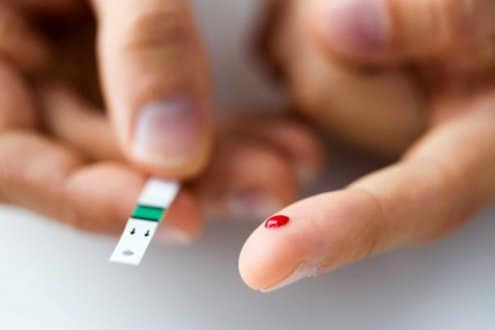
Note: Home glucose meters aid monitoring but do not diagnose diabetes. Laboratory methods set the standard.
Treatment Options
Initial treatment for type 2 diabetes usually combines medical nutrition therapy, physical activity, and metformin, when appropriate. An extended-release metformin option such as Glumetza may help with tolerability; consider this when discussing gastrointestinal side effects with your clinician. If A1C remains above target or specific comorbidities exist, add-on agents follow a stepwise approach.
SGLT2 inhibitors aid glucose and cardiorenal risk. For examples and class context, see Dapagliflozin for kidney and heart‑focused options often used after metformin. Combination tablets simplify regimens; Invokamet (canagliflozin + metformin) and Janumet XR (sitagliptin + metformin) illustrate two routes, helpful when pill burden complicates adherence.
Injectable options are considered when oral therapies are insufficient. Basal or premixed insulin may be used; for background on product types and timing, see Premixed Insulin for when mixed formulations fit daily routines. Rapid-acting insulin can be added before meals; review NovoRapid Cartridge for an example and storage considerations relevant to meal coverage. For weight and cardiovascular support, some clinicians also consider incretin therapies; recent data are summarized in Mounjaro Heart Benefits to contextualize cardiometabolic effects beyond glucose lowering.
Diet and Nutrition
A sustainable type 2 diabetes diet emphasizes whole, minimally processed foods and consistent carbohydrate distribution. Fill half the plate with nonstarchy vegetables, one quarter with lean proteins, and one quarter with high‑fiber carbohydrates. Choose unsweetened beverages and include healthy fats, such as olive oil or nuts, to improve satiety and glycemic stability.
Practical steps matter more than perfection. Plan meals, read labels for added sugars, and target 25–35 grams of fiber daily. Pair carbohydrates with protein to blunt post‑meal glucose rises. Some people use low‑carb patterns, while others prefer Mediterranean or DASH styles. Monitor personal responses with a meter or CGM to see what works best for you.
Lifestyle and Self-Care
Daily routines shape outcomes. Regular activity improves insulin sensitivity and supports weight control. Aim for at least 150 minutes weekly of moderate aerobic movement plus two sessions of resistance training. Prioritize 7–9 hours of sleep and maintain regular meal timing. Stress reduction techniques, like breathing exercises or short walks, help minimize glucose variability.
Build a realistic plan for type 2 diabetes self-care. Check feet daily, schedule dental and eye exams, and keep vaccinations current. Discuss sick‑day guidance with your clinician so you know how to adjust monitoring when ill. For age‑specific advice, see Managing Geriatric Diabetes for practical adjustments that match common mobility, cognition, and polypharmacy concerns.
Complications and Prevention
High glucose over time damages small and large blood vessels. Microvascular issues include retinopathy, nephropathy, and neuropathy; macrovascular disease raises heart attack and stroke risk. Blood pressure, LDL cholesterol, smoking status, and kidney health are equally important to manage alongside glucose. Routine screenings catch problems early, when interventions are most effective.
Understanding type 2 diabetes complications guides prevention. Annual eye exams, urine albumin checks, and foot assessments reduce disability. ACE inhibitors, ARBs, or newer agents may protect kidneys; for advanced chronic kidney disease in T2D, explore Kerendia as a clinician‑directed option to reduce progression risk. For complication overviews and prevention strategies, the NIDDK guidance summarizes monitoring schedules and actionable steps to lower long‑term harm.
Comparing the Two Major Types
T1D usually involves autoimmune beta‑cell destruction with an absolute insulin requirement from diagnosis. By contrast, this condition begins with insulin resistance and relative insulin deficiency. Onset is often insidious, and many are asymptomatic for years. Both types need glucose monitoring and education, though medication choices and targets may differ by individual context.
Family history, age, and body composition differ between groups, but there is overlap. Some adults present with ketosis‑prone features, and others need insulin earlier despite lifestyle efforts. C‑peptide and autoantibody testing help clarify classification when clinical features are ambiguous. Correct classification helps tailor therapy, follow‑up, and screening intensity.
Recap
Type 2 diabetes is manageable with timely detection, practical nutrition, and stepwise pharmacotherapy. Partner with your care team to individualize goals, simplify routines, and prevent complications. Small, consistent changes add up and keep treatment sustainable.
This content is for informational purposes only and is not a substitute for professional medical advice.