
Key Takeaways
- High-fiber legumes slow digestion and can blunt glucose rises.
- Choose intact beans and lentils over ultra-processed options when possible.
- Pair beans with protein and non-starchy vegetables for steadier meals.
- Cooking methods and portions influence post-meal blood sugar responses.
Managing day-to-day glucose can feel complex, but focusing on beans, peas, and lentils offers a clear advantage. Practical choices turn meals into steady energy rather than sharp spikes. This guide translates research into simple steps you can use right away.
Beans and Diabetes: Why Legumes Help Glycemic Control
Legumes provide soluble fiber, resistant starch, and plant protein. Together, these components slow gastric emptying and reduce the glycemic load (meal glucose-raising effect). That means smaller, smoother postprandial hyperglycemia (after-meal high blood sugar). In clinical nutrition terms, legumes are low glycemic index (GI) foods, especially when prepared intact and minimally processed.
These properties may support A1C and time-in-range goals when combined with an overall balanced eating pattern. Observational data and trials suggest pulses can improve glycemic control and cardiometabolic markers. For consumer-friendly definitions and ranges, see glycemic index guidance from the American Diabetes Association. A randomized trial in type 2 diabetes also reported A1C benefits with low-GI legume diets.
For practical lists and targets, see High Fiber Foods For Diabetics to help plan fiber-rich meals. If you are exploring plant-forward eating, the overview on Vegan Diet for Diabetes explains potential benefits and trade-offs.
Choosing Legumes: Which Beans Work Best
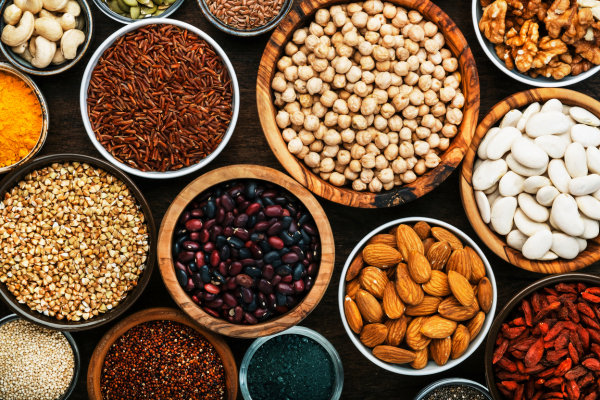
All pulses share core advantages, but textures, fibers, and mineral content vary. Lentils and black beans cook quickly and often cause fewer digestive issues. Chickpeas offer a nutty flavor and hold shape in salads and stews. Pinto and navy beans bring creaminess to soups and blended dips, supporting satisfying portions without large glucose rises.
If you wonder which beans are good for diabetics, look for intact options with no added sugars. Prioritize varieties you enjoy and will cook consistently. For meal planning ideas beyond beans, the guide on Low Carb Veggies For Diabetes shows non-starchy vegetables that complement legumes on the plate.
Tip: Rotate legumes during the week. Variety improves nutrient coverage, including potassium, magnesium, and folate. For broader nutrition strategies tied to insulin sensitivity, see Diet for Insulin Resistance for pattern-level guidance.
Beans, Rice, and Smart Portions
Rice and beans are a cultural staple and can fit a glucose-aware plan. The fiber in beans helps moderate the glycemic impact of rice. Pair with lean protein and non-starchy vegetables to further tame post-meal rises. Consider portioning rice modestly and letting beans carry more of the plate.
People often ask, can diabetics eat beans and rice. Yes, with portion control and mindful pairing. For those choosing rice, look at texture and grain intactness. Pairing tips for grains are covered in Quinoa And Diabetes, which highlights higher-fiber alternatives and serving strategies.
Note: Cold, cooked rice forms retrograded starch after refrigeration, which may reduce its glycemic impact slightly once reheated. Individual responses vary, so check glucose patterns with your meter or CGM.
Cooking Methods That Lower Glycemic Impact
Preparation changes how fast carbohydrates are absorbed. Aim for intact beans with a tender, not mushy, texture. Soak dried beans overnight, drain, and cook until just tender. Pressure-cooking works well and preserves shape and fiber. Cooling and reheating can increase resistant starch modestly, particularly in lentils and certain beans.
If you are learning how to cook beans for diabetics, start with simple methods. Rinse canned beans to reduce sodium. Add aromatics, spices, and a splash of acid (lemon or vinegar) to brighten flavor without sugar. For portable, carb-steady snacks, the piece on Peanut Butter and Diabetes outlines pairing ideas with protein and healthy fats.
Spotlight on Common Beans
Black Beans
Black beans have a firm skin, robust flavor, and excellent fiber-to-carb ratio. Many people explore black beans and diabetes when building bowls or tacos. Use them with roasted vegetables, avocado, and a modest amount of whole grains for balanced plates. Their polyphenols may offer additional metabolic benefits, though diet quality overall remains the main driver.
Kidney, Navy, Pinto, and Butter Beans
Kidney beans hold shape in chilis and stews, while navy beans blend smoothly for creamy soups. Pinto beans sit between those textures and suit burritos or blended dips. Butter beans (lima beans) are larger, silky, and satisfying. Choose seasonings without added sugar; rely on spices, herbs, and umami-rich ingredients for depth.
For mineral considerations, legumes contribute magnesium, which supports insulin action. To explore this link, review Magnesium and Diabetes for mechanisms and food sources. If weight management is also a goal, see GLP-1 Medications and Diet for appetite and meal-structure strategies.
Pantry Choices: Dried vs Canned
Dried beans offer full control over texture and sodium. They take more time but freeze well in portions for quick meals. Canned beans provide convenience, and rinsing can reduce sodium by a meaningful percentage. Look for cans with only beans, water, and salt on the label.
For shoppers, the best canned beans for diabetics are no-sugar-added options with lower sodium. Compare per 1/2 cup servings and favor higher fiber per carb. Keep a mix of chickpeas, black beans, and lentils on hand for fast bowls, soups, and salads. For broader pantry planning, browse the Diabetes category to identify tools and supplies that support daily management.
Recognizing and Preventing Glucose Spikes
Some people experience unexpected spikes after legume-heavy meals due to portion size, added starches, or sweetened sauces. Symptoms of postprandial spikes may include fatigue, thirst, and frequent urination. If persistent, discuss patterns with your healthcare team. You may adjust meal composition or timing, not only the carbohydrate count.
For symptom context and safety guidance, see the CDC’s overview of symptoms of high blood sugar. Building balanced plates also helps. Combine beans with protein, non-starchy vegetables, and healthy fats. For produce that supports glucose goals, see Low Carb Veggies For Diabetes with practical pairing notes.
Troubleshooting Common Questions
Individual responses differ based on digestion, microbiome, medication, and activity levels. If spikes occur, assess the full plate rather than blaming a single ingredient. Check added sugars, refined starches, and sauces. Titrate portion sizes and test pre- and post-meal to learn your patterns.
When considering canned convenience, ensure labels are simple. If using beans in bowls, add crunchy vegetables for volume and satiety. For breakfast ideas that avoid large surges, combine beans with eggs or tofu and vegetables. Explore complementary options in Managing Type 2 Diabetes for day-to-day strategies and routines.
Green Beans, Peas, and Other Legumes
Green beans are botanically legumes yet function like non-starchy vegetables on most plates. They offer fiber and micronutrients with relatively low carbohydrate per serving. Peas carry slightly more starch but still fit well when portions are measured. Frozen options are convenient and retain nutrients.
Although grammar varies in common searches, people often ask is green beans good for diabetes in everyday conversation. In practice, green beans can be a helpful side for balancing plates. Use olive oil, garlic, and lemon to add flavor without sugars. If you track nutrition closely, combine green beans with a protein to support satiety.
Integrating Legumes With Medications and Monitoring
Nutrition works alongside your prescribed treatment plan. Some people see improved post-meal profiles when legumes replace refined grains. Others need to adapt mealtime insulin or review dosing strategies with their clinician. Keep a simple log or use your CGM trends to update your meal template.
When reviewing medications, extended-release metformin like Glumetza and sodium-glucose cotransporter-2 inhibitors such as Dapagliflozin may be part of your regimen; coordinate any dietary changes with your care team for safety. For weight-forward plans that still prioritize nutrition quality, see Superfoods For Weight Loss to balance energy density and fullness.
Rice Pairings and Glycemic Math
Texture, temperature, and portions influence rice’s impact. Firmer, intact grains usually digest slower than sticky, highly processed forms. Pairing beans with rice lowers the overall meal GI. Adding vegetables and protein further blunts glucose excursions by diluting available starch.
To compare options, many readers examine the glycemic index of beans and rice when building mixed plates. Track your usual serving sizes and measure outcomes with your meter or CGM. Simple swaps, like extra beans and fewer rice scoops, can smooth curves without sacrificing flavor.
Putting It Together: Simple Meal Templates
Build bowls with half non-starchy vegetables, one-quarter beans or lentils, and one-quarter whole grains or starchy vegetables. Add lean protein if needed for appetite control. Season with herbs, spices, and citrus. These templates support micronutrients, fiber, and steady energy.
If you need quick breakfast options, scramble eggs or tofu with peppers, onions, and a small scoop of black beans. For packed lunches, assemble a chickpea salad with cucumbers, tomatoes, and olive oil. For broader pattern building, review Polyphenols and Diabetes to leverage plant compounds that complement fiber-rich meals.
Recap
Legumes offer a practical way to stabilize meals through fiber, resistant starch, and protein. Choose intact beans, cook to a tender bite, and pair with vegetables and protein. Adjust portions and track responses to personalize your plan. Small, consistent choices add up to steadier days.
This content is for informational purposes only and is not a substitute for professional medical advice.


