
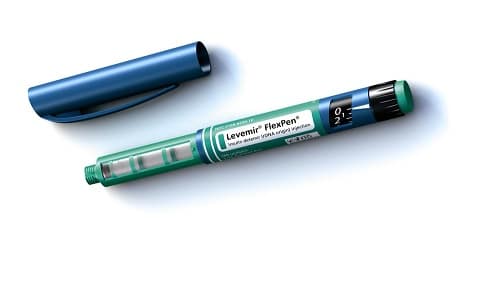
Used as a basal insulin, Insulin Detemir provides background glucose control across the day and night. This guide explains its time-action profile in plain terms and clinical language. We outline onset, peak, and duration, and what can nudge these values in practice. You will also find safe-use considerations and comparisons with other basal options.
Key Takeaways
- Time-action basics: gradual onset, flat profile, and dose-dependent duration.
- Variability factors: dose size, injection site, activity, and individual physiology.
- Dosing patterns: once or twice daily, guided by monitoring and care plans.
- Safety: monitor for hypoglycemia; review contraindications and drug interactions.
- Comparisons: detemir vs glargine/degludec differ in duration and variability.
How Insulin Detemir Works and Why Timing Matters
Detemir is a long-acting basal insulin analog that helps control fasting and between-meal glucose. Chemically, a fatty acid side chain allows reversible albumin binding in the bloodstream. This binding slows distribution to tissues and creates a prolonged, steadier glucose-lowering effect. The result is a relatively flat profile that supports day-to-day stability.
Understanding this pharmacology helps set expectations for timing. The effect begins gradually, without the sharp rise seen with rapid-acting products. Duration can extend into the next day, but it varies by dose, timing, and patient factors. For clinical pharmacokinetics and label data, the FDA prescribing information provides detailed parameters for absorption and action (FDA Levemir label).
For additional background on basal options and their profiles, see Long-Acting Insulin Names for a side-by-side overview of key products and timing.
Onset, Peak, and Duration of Levemir
Time-action with detemir is often described as smooth and prolonged. Onset is gradual, so clinical effect may not be apparent immediately. The profile is considered relatively peakless at therapeutic doses, though some individuals can experience a mild, broad peak. Duration spans roughly one day and increases with higher doses. These ranges are approximate and should be individualized.
Clinicians may refer to insulin detemir duration of action when choosing once-daily versus split dosing. Real-world duration depends on the dose, site selection, body mass, and activity. For a refresher on broader patterns across basal and bolus types, see this overview of Types of Insulin, which summarizes onset, peak characteristics, and variability.
| Property | Typical Range | Notes |
|---|---|---|
| Onset | 1–2 hours | Gradual; not designed for meals |
| Peak | Minimal/flat | Some may see a gentle, broad peak |
| Duration | Up to 24 hours | Longer with higher doses; may be twice daily in some |
Label and guideline sources emphasize person-to-person variability and the need for monitoring. The American Diabetes Association discusses basal insulin characteristics and use in its annual standards of care, including practical considerations for titration and safety (ADA Standards of Care).
Dosing and Timing in Practice
Detemir can be administered once daily or split into morning and evening doses. The choice depends on glycemic patterns, lifestyle, and the care plan. People who experience late-afternoon or early-morning gaps may benefit from divided dosing under clinician guidance. Day-to-day consistency with timing, meal patterns, and monitoring supports steadier fasting values.
Always follow the plan set by your diabetes care team. Label instructions provide safe ranges and adjustments, but individual targets vary. If you need a step-by-step overview of general principles, the Levemir Insulin Dosage Guide explains common patterns and what metrics to track. Mentions of Levemir insulin dosage are informational only and should not replace professional advice.
Cartridge formats and devices also matter for consistency. If you are using cartridges, review product specifics and device compatibility. For device details and cartridge formats, see Levemir Penfill Cartridges Online, which outlines volumes and strengths relevant to setup.
Administration and Injection Sites
The insulin detemir route of administration is subcutaneous injection. Common sites include the abdomen, thighs, and upper arms. Rotating within and between sites reduces the risk of lipodystrophy (changes in fat tissue) and helps maintain consistent absorption. Keep injection depth and technique consistent to reduce day-to-day variability.
Site choice can affect onset and curve shape. Abdominal injections may act a bit faster than thigh or arm sites. Exercise and local heat can speed absorption, while cold and reduced blood flow may slow it. For placement maps and practical technique notes, see Levemir Injection Sites, which illustrates rotation schemes for week-to-week planning.
Detemir is supplied in cartridges for use with compatible pens. Consistent device technique supports dose accuracy. For pen platform features and handling steps, see Novopen 4 Novo Nordisk for device-specific guidance and compatibility considerations.
Comparing Basal Options: Detemir, Glargine, and Degludec
Basal insulins differ in molecular design and time-action characteristics. Detemir binds albumin reversibly, while glargine precipitates in subcutaneous tissue and dissolves slowly. Degludec forms multihexamers and provides an ultra-long, stable profile. These mechanisms lead to different durations and day-to-day variability, which informs selection.
When reviewing insulin detemir vs glargine, consider duration, hypoglycemia patterns, and flexibility needs. Glargine often lasts about 24 hours at standard doses, and degludec extends beyond 24 hours with lower day-to-day variation. For practical side-by-side discussions, see Levemir vs Lantus for clinical nuances and use cases, and Tresiba vs Lantus for ultra-long comparisons that frame duration and variability.
Product presentations also differ by brand and device. If exploring alternatives with your clinician, review presentation formats and device compatibility. For example, Lantus Cartridges 100 Units Ml outlines cartridge strengths relevant to glargine prescribing and device setup.
Safety, Contraindications, and Side Effects
All insulins carry risks of hypoglycemia, injection-site reactions, and potential weight changes. For detemir specifically, hypoglycemia remains the most important safety consideration. Education on recognition and treatment of lows is essential. Rotating sites and maintaining consistent technique can reduce local reactions and variability.
When discussing insulin detemir side effects, clinicians consider common reactions, as well as rarer events such as hypersensitivity. Kidney and liver function may influence insulin needs and monitoring frequency. If you want a deeper dive into adverse events and time-action nuances, see Insulin Detemir Side Effects for structured summaries and patient-friendly framing. The FDA label also lists contraindications and warnings in official language (prescribing information).
Special Populations and Monitoring
Monitoring patterns may differ for older adults, people with chronic kidney disease, and those with variable meal timing. More frequent checks can help identify trends and support safe titration. Heat exposure, illness, and changes in activity can alter absorption and sensitivity. Adjustments belong in a clinician-directed plan, with clear targets and follow-up intervals.
Regarding pregnancy, levemir vs lantus in pregnancy is considered in context of available data and guidelines. Shared decision-making weighs safety data, experience, and monitoring needs. Individuals with gestational diabetes or preexisting diabetes should work closely with their obstetric and diabetes teams. For broader context on basal strategies, review Basal Insulin Types for dosing frameworks that inform perinatal care.
Nursing and Care Considerations
In outpatient and inpatient settings, insulin detemir nursing considerations include consistent injection technique, site rotation logs, and hypoglycemia protocols. Nurses reinforce timing adherence and confirm that patients can recognize and manage lows. Documentation of meals, activity, and correction doses supports pattern recognition and safe adjustments.
Storage and handling education reduces potency loss. Avoid extreme temperatures and follow device-specific priming steps. Teaching should cover device troubleshooting and when to replace pens or cartridges. For device types and handling benefits, see Insulin Cartridges Types to connect formulation packaging with day-to-day practice.
Recap
Detemir offers steady basal coverage with a gradual onset and dose-dependent duration. Its albumin binding supports a flatter profile that can be once or twice daily. Real-world timing varies by dose, injection site, and individual physiology. Monitoring and thoughtful technique help reduce variability and safety risks.
When considering detemir alongside other basal options, weigh duration, variability, and practical device issues. Use label information and professional guidelines to support a safe, individualized plan. For a broader framework on basal and bolus roles, see Basal vs Bolus Insulin for how each component contributes to overall control.
Note: External clinical sources are provided for neutral reference and do not replace individualized guidance.
This content is for informational purposes only and is not a substitute for professional medical advice.


