
Knowing the best insulin injection sites helps you place insulin into the right layer of tissue. Correct placement improves absorption and may lower the risk of skin problems or pain. This guide explains site choices, angles, rotation, and practical steps for both pens and syringes.
Key Takeaways
- Core sites: abdomen, thigh, upper arm, and buttocks.
- Use short needles and a 90-degree angle for most adults.
- Rotate sites methodically to reduce lipohypertrophy (fatty lumps).
- Match technique to insulin type and your body habitus.
- Address redness, lumps, or pain with prompt technique checks.
Best Insulin Injection Sites
Insulin is intended for the subcutaneous (under-the-skin fat) layer. The abdomen is commonly used because absorption is steady and convenient. Avoid a two-inch circle around the navel, recent scars, or irritated skin. The outer thigh and the back of the upper arm are reliable options, while the upper outer buttocks can work for people who prefer a less visible area.
Site choice can influence timing. The abdomen often has faster uptake than the thigh, which may absorb more slowly during rest. Try to keep mealtime insulin in consistent areas to limit variation. For a deeper overview of placement pros and cons, see Where To Inject Insulin for site-by-site details.
Injection Angles, Depth, and Needle Choices
Angle and needle length determine whether insulin reaches subcutaneous tissue. With modern 4–6 mm pen needles, most adults can inject at 90 degrees without pinching skin. Lean individuals and children may benefit from a gentle skinfold or a 45-degree angle to avoid intramuscular (into muscle) delivery. Matching angle to your build reduces discomfort and improves consistency.
The phrase insulin injection sites and angle reminds us to consider anatomy and device. Short, fine-gauge needles reduce pain and help maintain a shallow path. For gauge and length specifics, see Insulin Pen Needles for sizing context, and review BD Needles for brand-specific features. For broader technique standards, the ADA insulin guidance provides safety-focused recommendations.
Site Rotation and Skin Changes
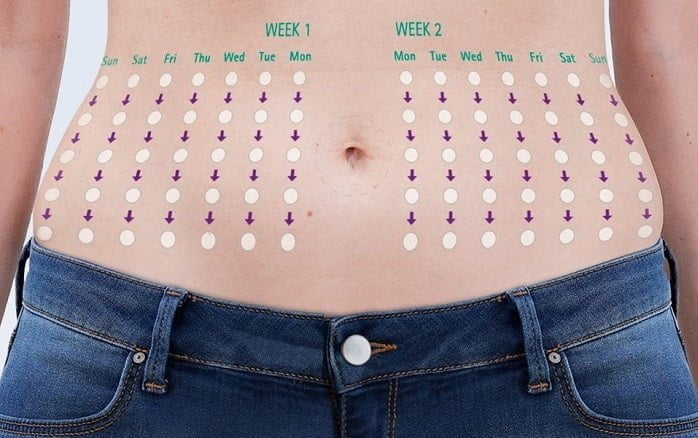
Rotating injections across a grid within a region helps protect the skin. Repeated injections into the same spot can cause lipohypertrophy (rubbery, fatty thickening) or, less often, lipoatrophy (fat loss). These changes may alter insulin absorption, leading to unpredictable glucose levels. Rotate within quadrants of the abdomen or zones on the thigh to spread the exposure.
Many educators suggest a simple map you can mark on paper or an app. Use one area for a week, moving a finger-width between injections, then switch to the next area. Doing this helps rotate insulin injection sites to prevent thickened tissue and bruising. If you need a needle change alongside better rotation, consider BD Ultrafine II Syringes when your clinician recommends specific sizes. For general technique, the MedlinePlus guidance outlines patient-focused steps and cautions.
Using Insulin Pens: Steps and Troubleshooting
Pen devices simplify preparation and dosing. Wash hands, check the label, and confirm the insulin’s appearance matches its type. Attach a new needle, prime per device instructions, and dial the prescribed dose. Choose clean, healthy skin, inject steadily, and count a few seconds after pressing the button to allow full delivery before withdrawing the needle.
Anyone new to pens often asks how to give insulin injection with pen without pain and leaks. Use a relaxed grip and keep the pen stable during delivery. Leave the needle in place for the recommended count before removing it. For a complete sequence with visuals, see How To Use Insulin Pen for step-by-step context, and review Lantus Insulin Cartridge for basal handling tips if you use long-acting insulin.
Common Pen Errors and How to Fix Them
Several small issues can disrupt pen dosing. Skipping a priming step may leave air in the needle and reduce the first dose; prime until a drop appears. Pressing too lightly on the injection button can slow delivery and cause backflow; maintain steady, firm pressure and count after delivery. Injecting into recently used, firm, or bumpy skin may hurt and absorb unpredictably; rotate to normal-feeling areas. If you struggle with needle length or comfort, discuss shorter needles and confirm your angle with a diabetes educator.
Syringes and Vials: Technique and Safety
With vials, draw air into the syringe equal to the insulin dose, inject the air into the vial, then withdraw the insulin. Tap out visible bubbles and adjust the plunger to the correct line. Clean the skin with alcohol, let it dry, and insert the needle smoothly. Inject at a controlled pace, then withdraw and discard the syringe safely.
People often search how to inject insulin with a syringe for clarity on dosing lines and bubble control. Practice with saline under clinical guidance can build confidence. For long-acting context, see Toujeo Dosage to understand dosing characteristics, and review NovoRapid Cartridge as a rapid-acting example when discussing timing and absorption. If needle preferences change, revisit options in Insulin Pen Needles for gauge and comfort considerations.
Abdomen, Arm, Thigh: Specific Tips
The abdomen works well for mealtime doses and predictable absorption. Choose an area away from the navel and scars, pinch a small skinfold if lean, and inject at 90 degrees with short needles. The outer thigh is practical for many people; avoid the inner thigh and any spots near joints. The back of the upper arm is suitable if someone can help or if you are able to reach safely.
If you wonder how to give insulin injection in stomach comfortably, relax the abdominal muscles and avoid recent exercise-related soreness. For more visual placement cues within each region, see Where To Inject Insulin for a deeper site overview. For device-specific nuances with GLP-1 or combo products, compare angles and skinfold tips with the Wegovy Injection Guide to understand differences from insulin tools.
Troubleshooting Lumps, Redness, and Bruising
Small bruises can occur after injections, especially when rotating to new areas. Firm, rubbery bumps may suggest lipohypertrophy; give those sites a rest for several weeks. If you notice a lump after injection in stomach that persists or grows, avoid injecting there until it softens and check your technique with a clinician. Painful redness, warmth, or streaking skin warrants timely medical assessment.
Allergic reactions are rare but possible. Persistent itching, widespread hives, or swelling require prompt medical care. Keep backup supplies organized, including a sharps container for used needles. For severe hypoglycemia preparedness, review the Glucagon Injection Kit With Diluent so household members know when and how to use it in emergencies.
Visual Guides and When to Seek Help
A simple insulin injection sites diagram can clarify zones and spacing. Many educators use printable grids or apps to log each spot, helping you avoid recent injection marks. If your blood glucose becomes erratic despite consistent dosing and timing, review injection technique first, then discuss changes with your healthcare team.
For a practical walk-through with photos and checklists, visit our step guide in How To Use Insulin Pen for full instructions, and browse the broader Diabetes library for related technique topics. If you need device or size transitions, exploring Diabetes Products can support discussions with your clinician about compatible options.
Tip: Keep a small rotation chart with your meter or phone. A quick glance prevents accidental repeats.
This content is for informational purposes only and is not a substitute for professional medical advice.


