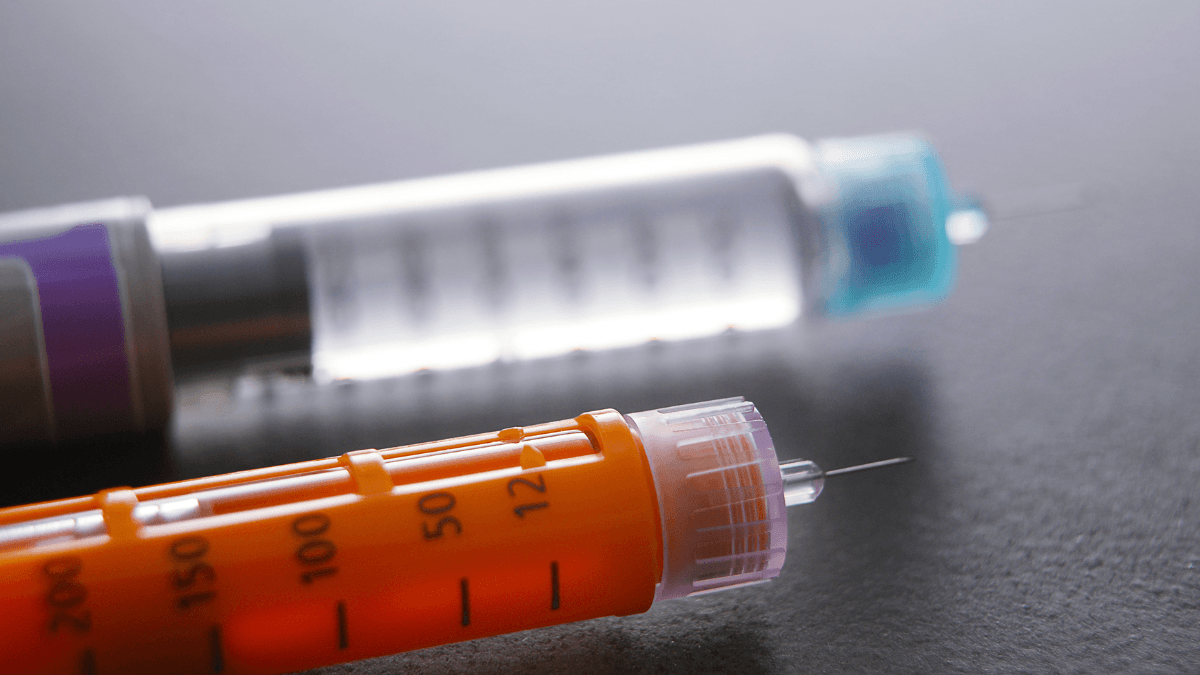
An insulin comparison helps you see how each insulin type works, when it starts, when it peaks, and how long it may last. These differences matter because insulin may be used for background coverage, mealtime glucose rises, or both. The right match depends on diabetes type, daily routine, meal timing, glucose patterns, hypoglycemia risk, and the delivery device. Use this overview to prepare better questions for your diabetes care team, not to adjust treatment on your own.
Key Takeaways
- Timing differs: onset, peak, and duration shape how insulin is used.
- Basal and bolus roles: background and mealtime needs often require different profiles.
- Human and analog options: formulations may differ in predictability, timing, and flexibility.
- Devices matter: pens, vials, and pumps can affect routine, accuracy, and burden.
- Switching needs supervision: product changes can require monitoring and prescriber guidance.
How Insulin Products Are Compared
Insulin products are mainly compared by action profile, formulation, concentration, and delivery method. The action profile describes onset, peak, and duration. Onset is when glucose-lowering activity begins. Peak is when the effect is strongest. Duration is how long the insulin may continue working.
This timing framework helps explain why one insulin may be taken around meals, while another is used once or twice daily for background needs. It also explains why two products can both be called insulin but feel very different in daily life.
Insulin lowers blood glucose by helping glucose move from the bloodstream into muscle and fat cells. It also reduces glucose output from the liver. When the body does not make enough insulin, or does not use it effectively, prescribed insulin can replace or supplement that function.
Why it matters: A timing mismatch can increase the chance of high or low glucose readings.
Clinicians also consider concentration, such as standard or concentrated formulations. Concentration affects how much liquid is delivered for a given number of units. It should not be changed or interpreted without product-specific instructions, because devices and labels may differ.
Insulin Comparison Chart by Action Profile
The most useful insulin comparison starts with broad classes. Individual products can vary, and personal response may differ by injection site, dose size, activity, illness, temperature, and lipohypertrophy (thickened fatty tissue from repeated injections).
| Insulin Class | Usual Onset | Usual Peak | Usual Duration | Common Role |
|---|---|---|---|---|
| Ultra-rapid or rapid-acting | About 5–20 minutes | About 1–3 hours | About 3–5 hours | Meal or correction coverage |
| Short-acting regular | About 30–60 minutes | About 2–4 hours | About 6–8 hours | Meal coverage with earlier planning |
| Intermediate-acting | About 1–2 hours | About 4–12 hours | About 12–18 hours | Background coverage with a peak |
| Long-acting basal | About 1–2 hours | Minimal or no clear peak | About 20–24 hours or longer | Background coverage |
| Ultra-long basal | About 1–2 hours | Relatively flat | Often beyond 24 hours | Longer background coverage |
| Premixed insulin | Depends on components | Often more than one peak | Depends on mixture | Combined meal and background coverage |
These ranges are general. Product labels and prescriber instructions are the best source for exact timing. For example, rapid-acting insulin examples may have similar roles but different labeled details, devices, and timing instructions.
An insulin types chart can simplify the first conversation, but it cannot replace glucose records. Two people using the same insulin may see different patterns after the same meal. That is why clinicians often review home readings, meal timing, activity, and hypoglycemia history together.
Basal, Bolus, and Premixed Insulin Roles
Basal insulin covers background insulin needs between meals and overnight. Bolus insulin covers meals or short-term glucose rises. Many insulin plans use one role, the other role, or both, depending on the person’s diabetes type and treatment goals.
Basal Insulin
Basal insulin is designed to provide steadier background coverage. Long-acting and ultra-long products are often used for this purpose. Some intermediate-acting insulins can also provide background coverage, but they usually have a more noticeable peak.
People often compare long-acting insulin names because the products can differ in duration, device format, and day-to-day variability. For a focused example of a basal-versus-mealtime comparison, see Lantus vs Humalog.
Bolus Insulin
Bolus insulin is used around meals or for correction dosing when prescribed. Rapid-acting products generally start sooner than regular insulin, which may allow closer alignment with food absorption. Regular insulin has a slower onset and longer tail, so timing around meals may differ.
The distinction between short acting insulin vs rapid acting insulin is mostly about speed and duration. For a deeper look at this difference, see Lispro vs Regular Insulin.
Premixed Insulin
Premixed insulin combines two action profiles in one product. It can reduce the number of injections for some people, but it also gives less flexibility. Meal timing, meal size, and activity patterns become especially important because the mixture has fixed proportions.
Premixed insulin types are not interchangeable by appearance or ratio alone. Labels may show a percentage or ratio that describes the components. Any change should be reviewed with the prescriber, especially if glucose readings are unstable.
Human Insulin and Insulin Analogs
Human insulin and insulin analogs both lower glucose, but their absorption patterns can differ. Human insulin includes regular insulin and NPH insulin. Insulin analogs are modified to change onset, peak, duration, or consistency of absorption.
Human insulin may remain useful in many care plans. It may also be considered when access or affordability is part of the discussion. However, regular insulin and NPH often require more planning around meals and peaks than some analog products.
Insulin analogs may offer faster mealtime action or flatter basal coverage, depending on the product. That does not mean one category is universally better. The best fit depends on the treatment plan, glucose data, hypoglycemia risk, daily schedule, and ability to use the device correctly.
For another comparison involving human and analog products, review Humulin vs Humalog. For a related analog comparison, Novolin vs NovoLog explains practical differences in class and timing.
Delivery Methods and Device Factors
Types of insulin injections include vials with syringes, disposable pens, reusable pens with cartridges, and pump infusion systems. The insulin itself matters, but the delivery method also affects daily use.
Vials and syringes can be familiar and flexible, but they require careful measurement and technique. Pens can simplify dose dialing and may help with portability. Pumps deliver rapid-acting insulin continuously through an infusion set and can allow adjustable basal patterns when used as prescribed.
Device compatibility is important. Not every insulin works with every pump, pen, needle, or cartridge system. Storage, priming, expiration after first use, and mixing instructions can also differ. Always follow the specific product label and care-team instructions.
For readers comparing formats, product pages can help identify device examples without replacing medical guidance. Examples include Humalog KwikPen, Lantus SoloStar Pens, and Tresiba FlexTouch Pens.
Quick tip: Keep injection technique consistent before judging whether a product feels different.
Switching Between Insulin Products
Switching between insulin products should be planned with a clinician because timing, concentration, device, and action profile may change. Even products in the same broad class may not behave identically for every person.
A safe discussion usually starts with the reason for the change. Common reasons include formulary changes, supply issues, cost concerns, device preference, hypoglycemia, or difficulty matching insulin timing to meals. The next step is reviewing glucose records before and after the switch.
Watch for practical differences too. A new pen may prime differently. A vial may have different storage instructions. A premixed insulin may require resuspension. A concentrated formulation may require extra attention to the device and label instructions.
Do not assume a one-to-one switch is appropriate unless the prescriber says so. If you are preparing for a medication review, Insulin Conversions covers general concepts that can help frame the conversation.
Monitoring, Safety, and What to Discuss
Insulin safety depends on matching the plan to real glucose patterns. Home glucose meters and continuous glucose monitors can show whether readings run high, low, or variable at certain times of day.
Hypoglycemia means low blood glucose. Symptoms can include shakiness, sweating, confusion, hunger, fast heartbeat, or weakness. Severe symptoms, loss of consciousness, seizures, or inability to keep carbohydrates down require urgent medical help.
Hyperglycemia means high blood glucose. Repeated high readings, vomiting, dehydration, ketones, pregnancy, or illness can require prompt clinical advice. People using insulin should know their care team’s sick-day instructions before they are needed.
Bring specific notes to appointments. Useful details include meal timing, carbohydrate estimates, activity, missed doses, injection sites, new medications, alcohol intake, illness, and sleep disruption. Patterns matter more than one isolated reading.
If your meter or lab report uses different glucose units, a converter can reduce confusion when reviewing logs or education materials.
Blood Glucose Unit Converter
Convert glucose readings between mg/dL and mmol/L without changing the clinical value.
These calculations are for education only and do not replace clinical advice, diagnosis, or treatment. Always confirm medical decisions with a qualified healthcare professional.
This tool converts glucose values between mg/dL and mmol/L. It is a unit aid only and does not interpret readings or recommend treatment changes.
Access and Cost Context
Access issues can shape insulin choices, but they should be handled carefully. A product that fits clinically still needs to be available in the correct device, concentration, and format. Insurance rules, cash-pay options, and pharmacy supply can also influence discussions.
CanadianInsulin.com is a prescription referral platform, and where required, prescription details may be confirmed with the prescriber. Dispensing and fulfilment are handled by licensed third-party pharmacies where permitted. This service context does not replace a clinician’s role in choosing or changing insulin.
Some patients explore cash-pay options without insurance or cross-border fulfilment when allowed by eligibility and jurisdiction. If cost is driving a possible switch, ask the prescriber which alternatives are clinically reasonable before comparing formats.
For broader browsing, the Diabetes Condition page and Diabetes Products collection can help you see categories and formats. For more educational reading, visit the Diabetes Articles collection.
Authoritative Sources
For clinical standards on diabetes treatment, monitoring, and individualized care, review the American Diabetes Association Standards of Care.
For patient education on insulin types and safe use, see the Diabetes Canada insulin types resource.
For regulator-reviewed product details, search the Health Canada Drug Product Database by product name.
Recap
An insulin comparison is most useful when it connects timing with daily use. Rapid or short-acting products usually support meal needs. Intermediate, long-acting, and ultra-long products usually support background needs. Premixed products combine roles but reduce flexibility.
The practical choice depends on glucose patterns, hypoglycemia risk, meal schedule, device comfort, access, and clinician guidance. Use charts as orientation, then review personal readings and product labels with your diabetes care team.
This content is for informational purposes only and is not a substitute for professional medical advice.