
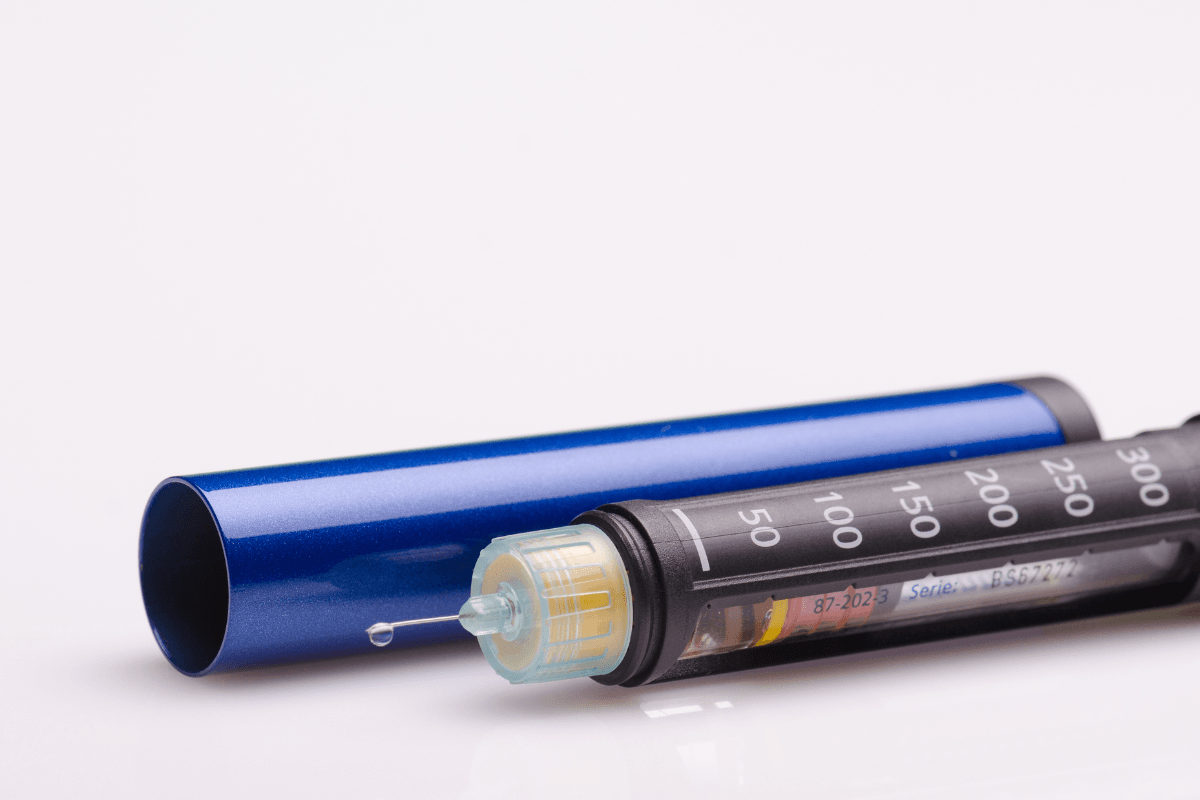
The Novopen 4 is a durable, reusable insulin pen designed to deliver consistent doses. This updated guide explains setup, dosing technique, compatible cartridges, needle choices, and safe handling. You will also find maintenance tips and model comparisons to support everyday decisions.
Key Takeaways
- Reliable dosing: clear clicks and dose window.
- Cartridge system: compatible Penfill formats.
- Needle choice: match gauge and length to comfort.
- Maintenance: basic cleaning and careful storage.
- Model context: strengths versus newer pens.
Novopen 4: What It Is and Who It Fits
This reusable device helps many adults and adolescents who need subcutaneous (under-the-skin) insulin. The pen uses replaceable 3 mL cartridges and single-use pen needles, making daily injections straightforward. The body is robust, the dose dial is tactile, and the window is easy to read in normal light.
People who value simplicity may prefer this model over app-connected alternatives. It does not log doses digitally, which reduces complexity and battery concerns. However, it still supports precise dosing increments and consistent performance when handled correctly. Why this matters: choosing the right tool can reduce errors and anxiety around injections.
How to Use the Pen: Step-by-Step
Before injecting, gather supplies and wash hands. Then review novopen 4 instructions for the latest device-specific steps from your care team. Inspect the cartridge for clarity and expiration. Confirm the insulin type matches your prescribed schedule, and check the dose window resets to zero.
Prepare, Prime, and Load
Start by removing the cap and placing a new pen needle securely. Prime the pen as directed to remove air and confirm flow from the needle tip. Priming helps ensure accurate first-unit delivery. Insert a new, intact cartridge if needed, and avoid mixing different insulin types in one pen. After dialing the intended dose, inject into recommended sites like the abdomen or thigh. Use steady pressure on the push-button until the dial returns to zero, then count a few seconds before removing the needle to reduce leakage. For cartridge formats and benefits, see Insulin Cartridges Guide for a quick refresher.
Tip: Rotate injection sites to reduce lipodystrophy (fatty tissue changes). Keep a simple rotation map, and note any redness, bruising, or tenderness after injections.
Dosing Accuracy and Adjustments
Accurate dosing depends on dialing the intended amount and using proper technique. The device supports clear clicks and easy reading, which helps maintain consistency across doses. In practice, confirm any adjustments with your clinician, especially when changing eating patterns or activity levels.
When discussing novopen 4 dose settings, align your increments with the prescribed insulin plan. If you are unsure about a dose range, review fundamentals with your care team. For a general orientation to calculation concepts, see the Insulin Dosage Chart for clinician-directed ranges and examples.
Cartridge and Insulin Compatibility
This pen is designed for specific 3 mL Penfill cartridges. Double-check labeling each time you load a new cartridge, and never combine different insulin types in a single pen. To understand classes like rapid-acting, intermediate, and basal insulin, review Different Types of Insulin as background context.
Questions about novopen 4 compatibility often involve which Penfill insulins fit and how switching affects routines. Keep your pen matched to the insulin prescribed and confirm any brand or formulation changes with your healthcare provider. For clarity on cartridge styles and handling steps, see Insulin Cartridges Guide to review Penfill formats and handling tips.
Needle Choice and Injection Technique
Comfort and accuracy depend on needle selection and consistent technique. Discuss novopen 4 needles with your provider to match gauge and length to your body type. Short, finer needles often feel gentler, but technique still matters. Insert at the recommended angle, and hold steady pressure for a few seconds to reduce backflow.
For a quick overview of needle sizes and best practices, see Insulin Pen Needles Types for gauge and length examples. If you prefer ultra-fine options, consider BD Nano Pro Needles when selecting compatible needles and comfort features.
Care, Maintenance, and Cleaning
Good maintenance supports reliable performance. If you notice residue, follow novopen 4 cleaning using a slightly damp, lint-free cloth. Keep liquids away from internal components, and never immerse the pen. Let parts air dry before recapping to prevent moisture buildup.
Do not reuse needles; single-use practice reduces contamination risks and dull tips. For safe injection practices, the CDC provides clear guidance on one-time needle use; review their injection safety FAQs for authoritative recommendations. Regularly inspect the pen for cracks, stiff dials, or worn caps. Replace damaged parts promptly to maintain dose accuracy.
If Something Goes Wrong: Troubleshooting
Flow problems can appear as hard-to-press buttons, no visible drop during priming, or inconsistent dose windows. First, remove and replace the needle, then prime again. Check that the cartridge is seated properly and not expired. Avoid excessive force, which can damage internal mechanisms.
If the pen still feels unreliable, stop using it and contact your pharmacist or device support. For labeled parts and reference images, see the Novopen 4 Novo Nordisk product page for device overview images. Keep a brief note of what happened and when; that record helps during assessment.
Model Comparison: Versus Newer Pens
Choosing between models often involves memory functions, displays, and connectivity. When comparing novopen 4 vs novopen 5, remember that newer models can add dose memory features. Some later-generation pens may also offer connected tracking or enhanced displays. Simpler models, however, keep the workflow focused and durable.
Think about daily needs before upgrading. If you already use external logging or a glucose app, added dose memory may be unnecessary. If you want onboard history or reminders, a newer pen may help. For an overview of pen options and needle pairing, review Insulin Pen Needles Types to align hardware choices with technique.
Specifications, Storage, and Safety
Understanding novopen 4 specifications helps match expectations with real use. Key features typically include 1‑unit dose increments, a mechanical dose dial, and a cartridge-based system for 3 mL Penfill insulins. The housing is designed for daily wear, with a cap to protect the needle mount and dose window. Always verify device-specific details with your pharmacist or the manufacturer’s leaflet.
Store the pen away from direct heat and sunlight. Do not freeze insulin; extreme cold can inactivate proteins. In general, in-use insulin should be kept within labeled room-temperature limits. For emergency handling and storage principles, the FDA offers clear guidance; see insulin storage recommendations for authoritative details. When traveling or during hot weather, use insulated carriers and temperature checks; for practical travel planning, see Traveling With Diabetes Tips for storage thresholds and packing ideas.
Note: Never share pens or needles. Sharing raises risks of infection transmission (cross-contamination) even with changed needles.
Specifications At-a-Glance
Use this quick summary to consolidate key points. Confirm final device details on the label that came with your pen.
- Cartridge format: 3 mL Penfill
- Dose increment: 1 unit
- Dial and window: tactile clicks, clear numbers
- Needles: single-use pen needles only
- Intended route: subcutaneous (under-the-skin) injection
Recap
This pen remains a dependable choice for everyday injections. It supports careful technique, clear dosing, and straightforward maintenance. For broader diabetes topics and ongoing education, browse Diabetes Articles for stepwise guides, or revisit Insulin Dosage Chart when discussing adjustments with your clinician.
This content is for informational purposes only and is not a substitute for professional medical advice.


