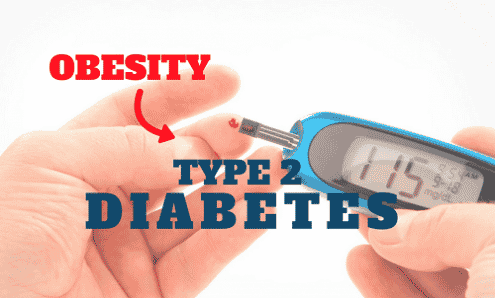
Excess adiposity changes how the body handles glucose and fats. Obesity and Type 2 Diabetes often occur together because expanded fat tissue disrupts insulin signaling and pancreatic workload. Understanding the drivers, risks, and evidence-based interventions helps you plan screening and choose balanced, sustainable care strategies.
Key Takeaways
- Shared drivers: Chronic energy surplus, ectopic fat, and inflammation impair insulin action.
- Risk rises gradually: Waist size and cardiometabolic markers clarify individual risk patterns.
- Management is combined: Nutrition, activity, sleep, and medications often work together.
- Measure wisely: Use BMI with waist and labs to guide next steps.
Understanding Obesity and Type 2 Diabetes
Obesity describes excess adiposity that affects health risk, often assessed with body mass index (BMI) and waist circumference. Type 2 diabetes involves insulin resistance (reduced insulin response) and progressive beta-cell stress. These conditions interact through hormonal, inflammatory, and lipid pathways. The result can be rising glucose, increased liver fat, and higher cardiovascular risk.
BMI categories help frame risk: overweight (25.0–29.9 kg/m²) and obesity (≥30.0 kg/m²). However, BMI does not capture body composition or fat distribution. Central adiposity, reflected by waist circumference, better predicts metabolic complications than weight alone. Combining anthropometrics with fasting glucose, A1c, triglycerides, and HDL provides a clearer picture of cardiometabolic health.
For foundational articles on diagnosis and care, see Type 2 Diabetes for context on assessment frameworks. For behavior and nutrition strategies, the Weight Management collection outlines practical approaches that complement medical therapy.
Why Obesity Drives Insulin Resistance
Excess visceral and ectopic fat increases free fatty acid flux to the liver and muscle. Lipid intermediates disrupt insulin signaling, reduce glucose uptake, and raise hepatic glucose output. Mitochondrial stress and low-grade inflammation add further strain to beta cells. This explains why weight-centric approaches often improve fasting glucose and A1c.
Inflammation, Ectopic Fat, and Hormones
Adipose tissue acts as an endocrine organ, releasing adipokines and cytokines that influence insulin action. When fat cells enlarge, immune cells infiltrate and amplify inflammatory signaling. Liver and pancreatic fat intensify insulin resistance and impair insulin secretion. Incretin hormones also change with diet, sleep, and medications, affecting appetite and glycemic control. These converging factors clarify how chronic energy surplus disrupts metabolic balance across organs, not just fat tissue.
A practical way to frame the biology is to ask: how does obesity cause insulin resistance at the cellular level? Fatty acid overload, inflammatory mediators, and altered adipokines interrupt the insulin cascade. For a concise clinical overview, see the NIH’s insulin resistance overview, which summarizes mechanisms and related risk factors.
The Relationship and Cardiometabolic Risks
Clinically, the relationship between obesity and type 2 diabetes reflects a shared path from insulin resistance to beta-cell overwork. As fasting glucose and A1c rise, risk also increases for atherosclerotic cardiovascular disease, fatty liver disease, and sleep apnea. The interplay extends to the heart, kidneys, and vasculature.
Large surveillance reports show steady burdens from hyperglycemia, obesity, and related complications. The CDC’s national statistics summarize trends in prevalence and complications. For cardiometabolic perspectives on newer incretin therapies, see Mounjaro Heart Benefits for a concise look at weight and cardiovascular markers.
Epidemiology and Statistics
Population studies consistently link central adiposity to higher diabetes incidence, though absolute risk varies by age, sex, and ancestry. Researchers track waist-to-height ratios, triglyceride/HDL patterns, and liver enzymes to estimate risk at a population level. These markers help explain why two people with the same BMI can have very different outcomes.
Recent reviews aggregate obesity and type 2 diabetes statistics to compare countries and regions. Global estimates from the WHO’s obesity fact sheet highlight rising prevalence across age groups. If you want broader context on trends and prevention frameworks, see Diabetes Articles for additional syntheses and policy-focused summaries.
Screening and Diagnosis: BMI and Beyond
Clinicians often use type 2 diabetes bmi cutoffs with waist circumference to decide on screening intensity. A1c, fasting glucose, and oral glucose tolerance tests identify glycemic status. Lipids, liver enzymes, and blood pressure fill out cardiometabolic risk. In adolescents, early puberty and rapid weight gain may prompt earlier assessment.
Screening frequency depends on baseline risk, family history, and medication use. Consider surrogate markers of insulin resistance, such as high triglycerides with low HDL, alongside anthropometrics. For food-first approaches that can help improve insulin sensitivity, review Best Diet for Insulin Resistance for nutrient patterns that support glycemic control.
Treatment and Weight Management Strategies
Addressing weight, activity, sleep, and stress can improve glycemia even before medications change. Structured nutrition plans, resistance training, and sleep regularity reduce visceral fat and improve hepatic insulin sensitivity. Behavioral support and gradual habit building often sustain long-term success better than abrupt, extreme changes.
When lifestyle measures are insufficient, clinicians may combine metformin, SGLT2 inhibitors, or incretin-based therapies. For a snapshot of options, see Weight-Loss Medications to understand classes used for weight and glucose control. Some patients use GLP-1 receptor agonists; for details on device formats and storage considerations, see Ozempic Semaglutide Pens as an example of a weekly injectable. For a drug comparison across two incretin options, read Wegovy vs Zepbound for contrasts in dosing and indications.
Type 1 Diabetes Considerations
Weight concerns also affect people with autoimmune diabetes. Type 1 diabetes and obesity can coexist, particularly with intensive insulin therapy, sedentary time, or hypercaloric eating. Weight gain can raise insulin needs, elevate blood pressure, and worsen lipid profiles. Care teams often tailor nutrition, activity, and insulin timing to reduce hypoglycemia and overeating cycles.
Abdominal fat is metabolically active and may heighten cardiovascular risk. That means central adiposity deserves attention even when A1c is on target. It is reasonable to monitor waist measures, triglycerides, and liver fat surrogates alongside glucose metrics, especially during treatment intensification.
Symptoms and When to Seek Care
Common obesity diabetes symptoms include fatigue, increased thirst and urination, blurred vision, and slow-healing skin infections. Some people develop acanthosis nigricans, a darkening and thickening of skin folds associated with insulin resistance. Others notice snoring or daytime sleepiness, suggesting possible sleep apnea.
New or worsening symptoms merit timely evaluation, especially if there is strong family history or rapid weight gain. Early assessment allows lifestyle and medication changes before complications emerge. For broader context on therapies used once diabetes is diagnosed, browse Diabetes Articles for overviews of medication classes and safety considerations.
Common Questions and Misconceptions
People often ask does obesity cause diabetes type 2 as if there is a single cause. Obesity increases risk by worsening insulin resistance, but genetics, age, sleep, medications, and social determinants also matter. Many people with excess weight never develop diabetes, and some people with normal BMI do. Risk is cumulative and modifiable across behaviors, medication choices, and timely screening. For a broader look at incretin options that affect weight, see GLP-1 Weight Loss Drugs for mechanisms and public health effects.
Recap
Obesity changes how the body handles glucose, lipids, and hormones. Those shifts burden beta cells and drive higher glycemic readings over time. The strongest risk signals come from central adiposity, triglyceride-rich dyslipidemia, and blood pressure elevations.
Action rarely relies on one lever. Use anthropometrics, labs, and history to map risk, then align nutrition, movement, sleep, and medications. This staged approach helps reduce complications while maintaining quality of life.
Note: Population statistics guide policy, but individual risk depends on personal health history and lab data.
This content is for informational purposes only and is not a substitute for professional medical advice.