
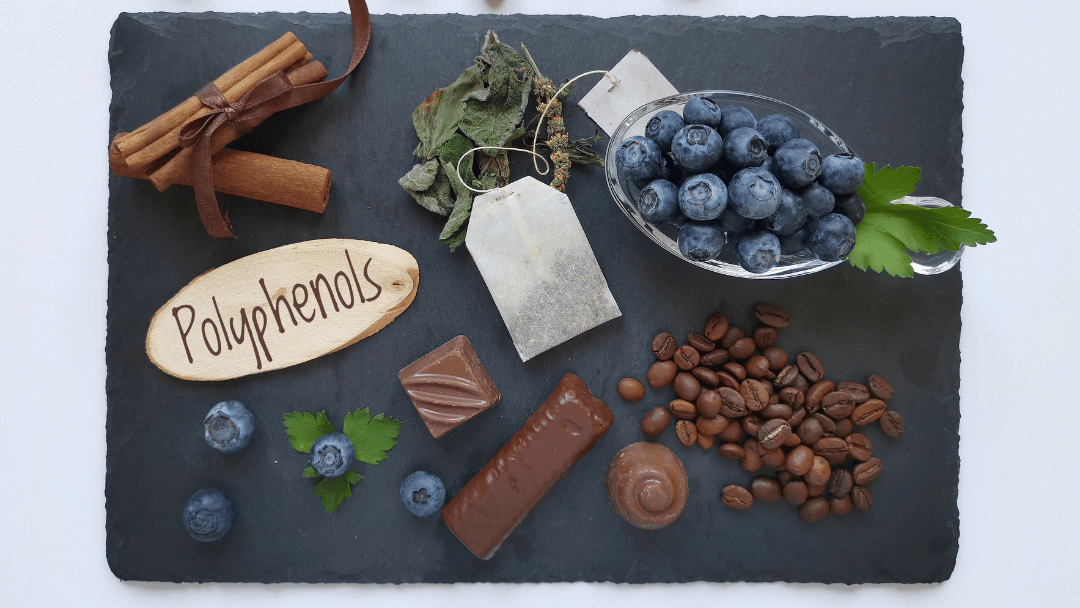
Many people with diabetes ask how polyphenols fit into daily care. These plant-derived compounds may influence glucose handling, inflammation, and vascular health. Evidence remains mixed, yet practical food choices can still help. This guide summarizes mechanisms, key foods, safe use, and realistic expectations.
Key Takeaways
- Mechanism overview: enzyme effects, insulin signaling, microbiome, and inflammation.
- Best sources: berries, extra virgin olive oil, tea, coffee, cocoa, legumes.
- Olive oil phenolics vary; verify lab data or supplier certificates.
- Supplements need caution; interactions and dose limits matter.
- Use food-first strategies alongside standard diabetes care plans.
What Are Polyphenols?
Researchers classify these compounds into several families, including flavonoids, phenolic acids, stilbenes, and lignans. You will also see terms like phenolics (plant-based aromatic compounds). These families differ in structure and in the way the body absorbs them. Diversity across foods matters, because no single source provides everything.
In simple terms, these compounds act as redox-active molecules and signaling modulators. In the body, they may help counter oxidative stress and low-grade inflammation. They also interact with enzymes that process carbohydrates. Their actions are context-dependent, changing with dose, gut microbiome, and the whole meal.
How These Compounds Influence Blood Sugar and Insulin
Several mechanisms may affect glycemic (blood-sugar related) control. Laboratory and small clinical studies show enzyme inhibition of alpha-glucosidase and alpha-amylase, which can modestly slow carbohydrate digestion. Other work points to changes in insulin sensitivity (how well cells respond to insulin) via AMP-activated pathways and endothelial signaling.
Modulation of the gut microbiome may also play a role. Fermentation of phenolics can generate metabolites with bioactivity that influences inflammation. These pathways provide plausible polyphenols benefits, although clinical outcomes vary by study design and dose. For an overview of dietary guidance in diabetes, see the ADA nutrition guidance, which places emphasis on overall patterns.
Food Sources and Practical Intake
Food-first strategies remain the most predictable approach. Berries, apples, plums, extra virgin olive oil, brewed tea, coffee, cocoa, legumes, and whole grains provide a broad mix. Rotating several sources across the week helps cover different subclasses. This variety also supports the gut microbiome, which can shape downstream effects.
Focus on minimally processed items with intact skins or peels when edible. Pair rich sources with fiber and protein to blunt after-meal spikes. Many people search for polyphenols foods; in practice, think color, mild bitterness, and strong aroma. For fruit ideas and portions, see Why Berries Are Superfoods for anthocyanin-rich options, and Apples and Diabetes for practical snack swaps.
For hearty staples, beans and lentils supply fiber plus phenolics. If you are expanding plant proteins, the guide Legume Advantage For Diabetes explains cooking methods and glucose effects, which can support meal planning. Oats also contribute; the article Oatmeal and Diabetes outlines portion control and topping strategies.
Olive Oil Phenolics: Selection and Testing
Extra virgin olive oil (EVOO) can provide hydroxytyrosol, oleocanthal, and related phenolics. Concentrations vary widely by cultivar, climate, harvest date, and processing. Freshness and storage matter most; heat, light, and oxygen degrade phenolics quickly. Look for harvest year and best-by date and aim to use bottles within months of opening.
Consumers often ask how to balance taste and verification. Pungency and a peppery finish suggest higher phenolics, but sensory testing is imperfect. If you want a more precise approach, here is how to check polyphenols in olive oil: request a recent third-party certificate of analysis from the producer, showing total phenolics by standard methods. For cooking guidance and beverage pairing with meals, see Diabetes-Friendly Drinks to compare lower-sugar options that complement meals.
Practical Home Assessment
Bitterness and throat catch are quick, useful clues, particularly in freshly bottled EVOO. High-phenolic oils often list early-harvest olives and robust cultivars on the label. However, taste varies by person and can be masked by food. For greater certainty, prioritize producers who regularly publish lab data and harvest specifics. Store oil in a cool, dark cabinet and cap tightly after use to limit oxidation.
Tea, Coffee, and Cocoa: Brew Variables That Matter
Brewing time, water temperature, and roast level change phenolic profiles in common beverages. With tea, shorter hot infusions favor aroma, while longer steeps draw more bitter catechins. Moderate steeping often balances palatability and potential benefits. For step-by-step brewing tips and glycemic context, see Diabetes and Green Tea for brew strength guidance and glucose insights.
Coffee beans deliver chlorogenic acids, which can influence post-meal glucose responses. Lighter roasts typically retain more of these compounds than dark roasts. Cocoa with minimal added sugar offers flavanols; pair with protein or fiber to reduce spikes. To compare fermented teas and processing, review Dark Tea For Diabetes for fermentation differences and tasting notes. Many readers explore polyphenols green tea when starting with simpler, lower-caffeine options.
Supplements, Dosage, and Safety
Supplements can concentrate specific compounds, but they also bypass natural checks and balances in food matrices. Purity, dose, and bioavailability differ across brands. Some products include blends with caffeine or other stimulants. These add-ons can cloud glucose responses or sleep quality, especially in sensitive individuals.
There is no universal dose, and needs vary by diet and health status. A conservative, food-first plan reduces risk while supporting overall nutrition. If considering capsules, discuss choices with your clinician and pharmacist, especially if you take anticoagulants, diabetes medications, or herbs. People often ask how much polyphenols per day; professional guidance usually focuses on achieving diverse intakes from whole foods instead of fixed milligram targets. For overview safety notes, the NCCIH green tea overview summarizes potential adverse effects and interactions.
Risks, Interactions, and Special Considerations
Adverse effects are uncommon with food sources, but concentrated extracts can cause gastrointestinal upset, headaches, or, rarely, liver strain. Warfarin and other anticoagulants may interact with some flavonoid-rich extracts. Monitor for changes if you adjust supplements or make large dietary shifts. Report any unusual symptoms promptly to a healthcare professional.
People managing diabetes often balance diet and medications. If lifestyle changes are not enough, medication may be added. For context on GLP-1 therapy within diabetes care, see Ozempic Semaglutide Pens for background on GLP-1 therapy in diabetes care. If combined therapy is discussed, Invokamet provides an SGLT2/metformin overview, useful when reviewing mechanism differences. If you notice side effects that concern you, consider whether a recent supplement could be a factor; this helps frame discussions about polyphenols side effects and medication timing.
Practical Meal Strategies for Daily Use
Start with simple swaps and repetition. Build plates around non-starchy vegetables, legumes, lean proteins, and whole grains, then layer phenolic-rich flavors. Drizzle robust EVOO over cooked vegetables, add berries to oats, and brew tea or coffee with meals. Avoid excess sugars and refined starches that undercut your plan.
Use beverages strategically. Swap sugary drinks for tea or coffee with minimal sweeteners, or opt for infused water. For more beverage ideas, the roundup Effective Teas For Diabetes compares options by taste and practicality. For chocolate cravings, Dark Chocolate and Diabetes outlines portions and pairing tips that fit most meal plans.
Evidence Snapshots and What to Watch
Small randomized trials suggest modest effects on postprandial (after-meal) glucose when these compounds accompany carbohydrates. Observational studies link higher dietary intakes to improved cardiometabolic markers, but causality remains uncertain. Research varies by subclass, dose, and baseline diet. Future large trials should clarify long-term glycemic outcomes and safety across diverse populations.
Until then, prioritize dietary patterns that consistently show benefit. Mediterranean-style eating, with ample vegetables, legumes, nuts, whole grains, and EVOO, aligns with broad cardiometabolic goals. For spice-based options, see Cinnamon and Diabetes for discussion around use in meals, and review Best Fruits For Diabetics when rotating produce through seasons. The Diabetes hub curates related nutrition and therapy topics for deeper reading.
Recap
Plant phenolics are promising tools within a balanced diabetes plan. Food sources deliver variety, safety, and synergy with fiber, fats, and proteins. Supplements may help selected individuals but require careful review. Keep expectations realistic, track responses, and align choices with your clinician’s guidance. For more on vitamins and nonprescription options, browse the Vitamins & Supplements articles for neutral summaries and comparisons.
Note: Research links are for context; they do not endorse any specific product. For a broader scientific overview, see this NIH review on polyphenols, which discusses mechanisms and study limitations across human research.
This content is for informational purposes only and is not a substitute for professional medical advice.


