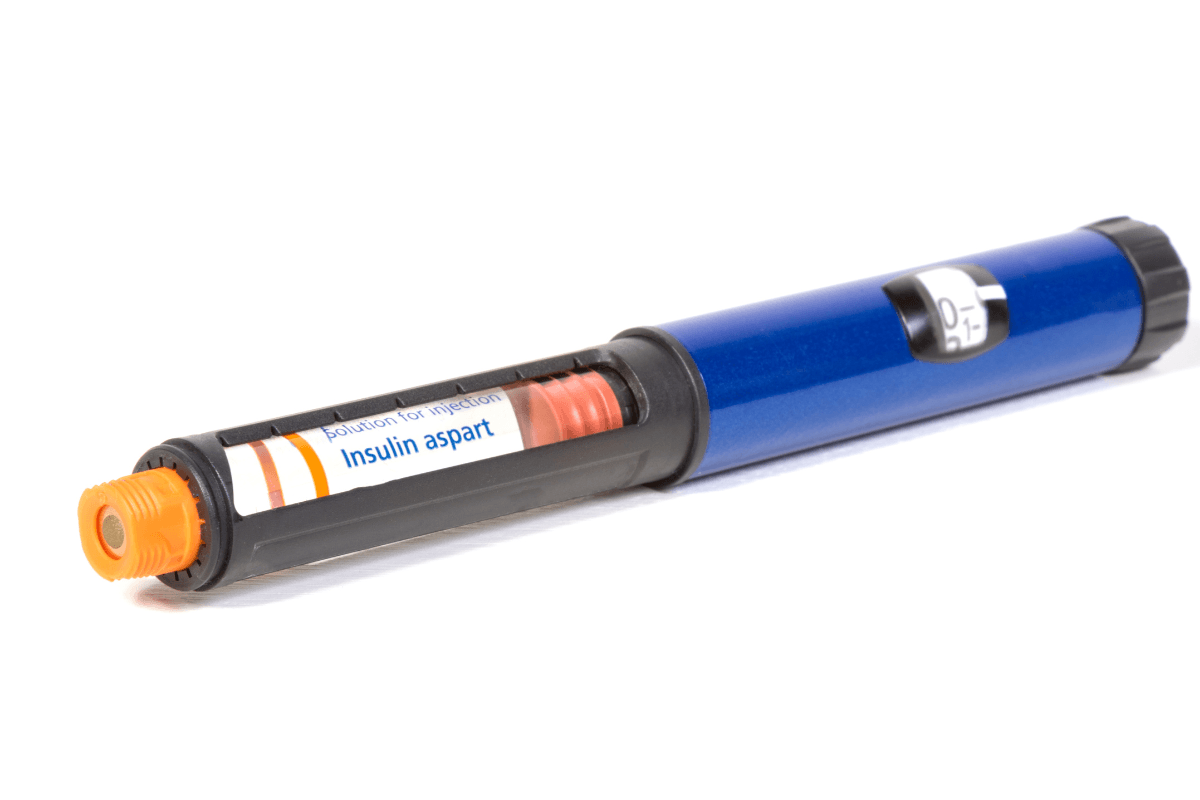
Staying active demands insulin that acts fast and predictably. The Fiasp insulin Cartridge can support flexible routines by delivering rapid insulin aspart (fast-acting mealtime insulin). This guide explains formats, device compatibility, dosing hygiene, and safe comparisons for everyday movement.
Key Takeaways
- Faster onset support: suited to variable meal and activity timing.
- Multiple formats: Penfill, FlexTouch, and vials for different needs.
- Dosing hygiene: focus on needle choice, rotation, and storage.
- Comparisons matter: switching requires clinical guidance and monitoring.
- Active lifestyle fit: plan around exercise to reduce lows.
Why the Fiasp insulin Cartridge Suits Active Users
Active days can shift mealtimes and glucose patterns. Fiasp’s rapid formulation may help narrow the gap between food intake and insulin action, which is useful when workouts change your schedule. When used correctly, cartridges also streamline carry and storage, supporting travel, commutes, and gym sessions.
Understanding cartridge basics helps you select the right setup for your day. For a broader overview of cartridge mechanics and benefits, see Insulin Cartridges Guide for device fit and workflow context. For clinical specifics on onset, peak, and labeled indications, review the manufacturer’s prescribing information from Novo Nordisk via the official FDA label, which outlines use and safety considerations.
How Fiasp Works: Onset, Peak, and Duration
Fiasp is insulin aspart formulated with niacinamide (vitamin B3) to speed early absorption. Clinically, it begins to act quickly and reaches the bloodstream faster than traditional aspart, which can help cover meals when timing is tight. These pharmacologic features matter for athletes and parents who often eat on the go. They also matter when a workout shifts glucose up or down faster than expected.
If you’re wondering, fiasp insulin how long does it last, duration is generally several hours, but varies by dose, site, and activity. Manufacturer labeling discusses expected action profiles and supportive data; consult the Novo Nordisk product page for current clinical information. For safety and side-effect context, see Fiasp Uses and Side Effects for a concise summary before changing routines.
Devices and Formats: FlexTouch, Penfill, and Vials
Fiasp comes as prefilled pens (FlexTouch), cartridges (Penfill) for reusable pens, and vials for syringes or pumps where indicated. Choosing between devices depends on hand strength, dosing increments, and your daily setup. People who prefer reusable pens may pair Penfill cartridges with a compatible NovoPen, while others value the simplicity of disposable prefilled pens.
When comparing fiasp flextouch vs penfill, think about portability, dose memory, and needle changes. If you prefer a disposable pen format, see Fiasp Flextouch for device features and compatibility context. If your routine includes syringes or pump fill protocols where appropriate, review Fiasp Vial details to understand format trade-offs in clinical workflows.
Cartridge Capacity, Units, and Dosing Hygiene
Penfill cartridges are designed for compatible reusable pens and standard pen needles. Always confirm the pen model, the unit increments, and needle length before first use. Good dosing hygiene reduces variability: prime consistently, hold the needle in place after injection, and rotate sites to reduce lipodystrophy (fat tissue changes).
For many users, a common question is how many units in fiasp pen. Device materials specify total capacity and dosing increments; check your pen’s user manual, and prime per instructions to ensure accurate delivery. If you are deciding between devices, Insulin Pen vs Syringe outlines practical pros and cons for daily dosing. For needle selection specifics, see BD Nano Pro Pen Needles for sizing considerations and ergonomics.
Stepwise Use with NovoPen Systems
Reusable pens like NovoPen accept Penfill cartridges. Before loading, inspect the cartridge for clarity, expiration, and cracks. Then insert, screw on a new needle, prime per the pen’s instructions, and dial the prescribed dose. Hold the needle in the subcutaneous tissue for the recommended count after pressing the button to reduce leakage.
If you are learning fiasp penfill cartridge how to use, walk through your device manual step by step. For a broader, illustrated method, see How to Use an Insulin Pen for general technique checks. If you need a compatible device overview, NovoPen 4 is a reusable option; review its dose increments and handling features to ensure a good match.
Note: Do not attempt to refill a disposable prefilled pen. Use devices only as intended by the manufacturer, and replace needles after each injection to reduce contamination risk.
Switching and Comparisons: Novolog, Novorapid, and Humalog
Rapid-acting insulins share similar roles but differ in onset and timing nuances. If you are considering novolog to fiasp conversion, involve your healthcare professional to set initial doses and monitor early readings. Differences in absorption, meal timing, and exercise can alter correction needs and hypoglycemia risk during the first weeks.
For background on molecule-level differences, read Difference Between Fiasp and Novolog to understand how each option fits typical meal patterns. If you use insulin aspart under a different brand, the Novorapid Insulin Cartridge article explains device and dosing context. For insulin aspart indications and safety language, the FDA prescribing information provides authoritative labeling for clinicians and patients.
Correction, Sliding Scales, and Exercise Adjustments
Daily activity changes insulin sensitivity. Warm-ups, intervals, or heat can potentiate insulin action, while stress or high-intensity bursts may transiently raise glucose. Plan correction timing around these shifts. Review meter or CGM trends 2–3 hours after a meal dose before adding a correction, unless directed differently by your care team.
When planning a fiasp correction dose, clinicians often use individualized insulin sensitivity factors rather than fixed sliding scales. The American Diabetes Association outlines principles for correction factors and intensive insulin management in its annual Standards of Care; see the ADA Standards of Care for evidence-based context. Maintain a written plan for exercise days, and carry rapid carbohydrates to treat potential lows.
Safety, Storage, and Needle Choices
Inspect each cartridge before use and discard if cloudy, colored, or frozen. Store unopened supplies in the refrigerator within labeled temperature limits, and keep in-use cartridges at room temperature as allowed to reduce injection discomfort. Temperature extremes in a gym bag or car can degrade potency. Use a protective case to prevent cracks during travel.
For storage thresholds and handling windows, consult the manufacturer’s label or product page; the Novo Nordisk Fiasp page summarizes key instructions. For needle selection, shorter, finer-gauge options can reduce pain and leakage when used correctly; see BD Nano Pro Pen Needles for sizing details. For a safety overview before device changes, visit Fiasp Uses and Side Effects to review hypoglycemia signs and site-rotation guidance.
Recap
Fiasp’s rapid onset can align with variable meals and workouts. Cartridges pair well with reusable pens, offering small dosing increments and a compact carry profile for active schedules. Choose between Penfill, FlexTouch, or vials based on handling and daily planning needs.
Build a simple routine: verify your device, prime before dosing, rotate sites, and store cartridges within labeled limits. Use individualized correction strategies rather than fixed sliding scales, and reassess settings when activity changes. For related comparisons and device specifics, browse the linked guides for deeper context.
This content is for informational purposes only and is not a substitute for professional medical advice.