
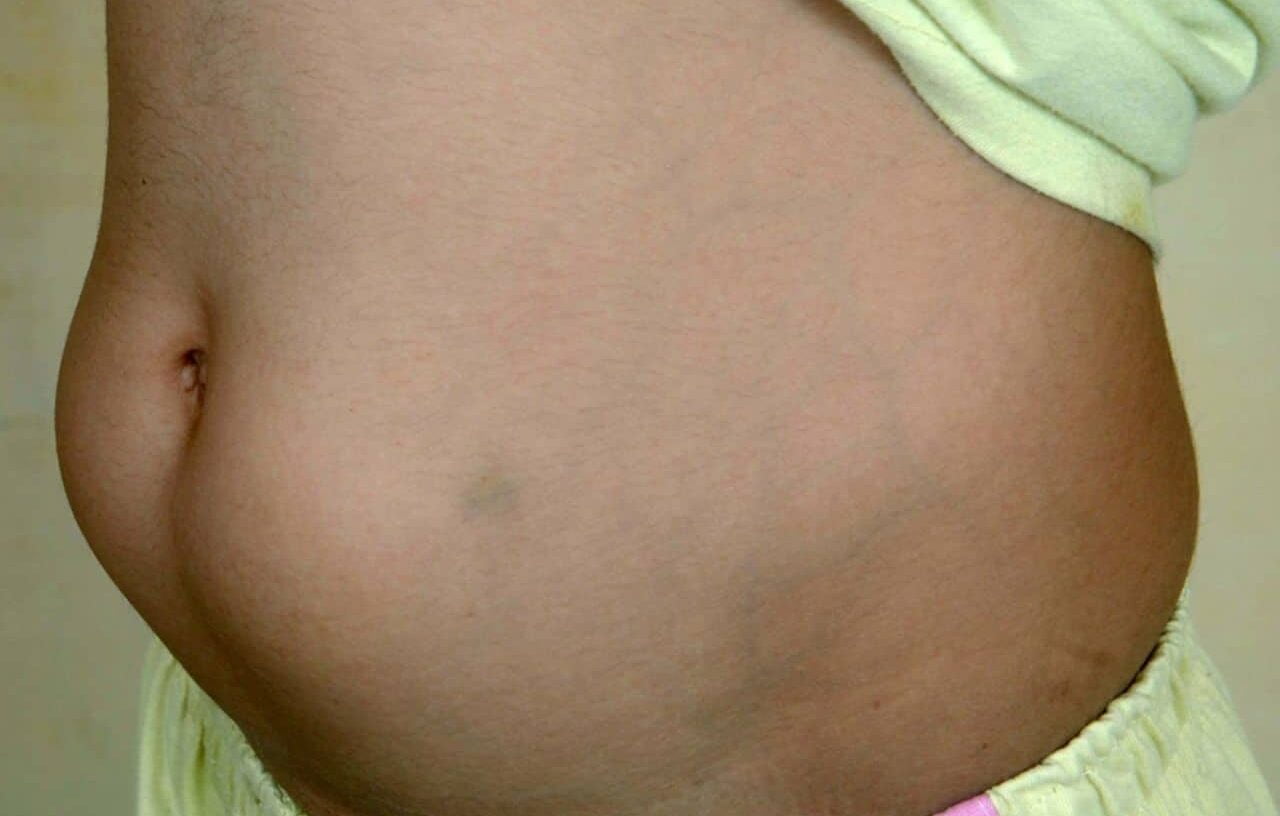
Lipohypertrophy can make insulin absorption unpredictable and day-to-day control harder. Understanding why fatty lumps form, how to find them, and what to change in technique helps reduce risk and improve dosing consistency.
Key Takeaways
- Identify fatty lumps early to avoid erratic insulin absorption.
- Rotate sites methodically and use a fresh needle each time.
- Do not inject into firm, rubbery, or numb areas.
- Technique, needle length, and site care all influence risk.
Understanding Lipohypertrophy: Signs and Effects
This condition describes a buildup of subcutaneous fat and fibrous tissue at repeated injection sites. Clinically, it presents as soft, rubbery, or firm nodules under the skin. People often notice a thickened patch that feels different from surrounding tissue. The area may be less sensitive or oddly numb, which can mislead users into reusing the spot.
These changes can delay or speed insulin uptake in unpredictable ways. Doses placed into affected tissue may act slower, faster, or not as expected. That variability increases day-to-day swings. Over time, disrupted absorption can raise total insulin needs and complicate pattern management.
Why It Happens: Needles, Hormones, and Technique
Repeated trauma from injections drives fat cell growth, inflammation, and scarring. Reusing needles, injecting large volumes into small areas, and poor rotation increase mechanical stress. Technique also matters when choosing Insulin Pen Needles Guide options; for needle sizing basics, see the Insulin Pen Needles Guide to reduce tissue injury risk.
People who inject in limited zones face concentrated exposure. Over time, those areas may become thickened and lumpy. In diabetes care, thoughtful rotation across Lipodystrophy in Diabetes concepts helps balance healing and consistent absorption. As a related point, lipodystrophy insulin injection sites are considered high-risk when technique remains unchanged across months.
Hormonal and Mechanical Drivers
Local insulin’s anabolic effect encourages fat buildup where doses repeatedly land. Combined with microtrauma from frequent needle passes, the tissue adapts by enlarging fat lobules and laying down collagen. Over time, the skin feel changes from smooth and pliable to uneven and rubbery. Such areas are tempting because they hurt less, but continued use perpetuates the cycle. Systemic factors, such as weight changes and concurrent anabolic hormones, may further prime tissue for growth. Reducing repetition and pressure on the same small zone can interrupt this progression.
Diagnosis and What to Look For
Start with good light and clean hands. Use the pads of your fingers to move in small circles, comparing both sides of the abdomen, thighs, arms, and buttocks. You are feeling for thickness, firmness, dimpling, or temperature differences. When in doubt, consider bringing clear photos to a visit; your clinician may review lipohypertrophy pictures to compare typical patterns.
Palpation matters because early lumps may be subtle. If you are unsure, avoid the spot for several weeks and monitor glucose response from unaffected areas. For needle selection fundamentals that support safer technique, see BD Needles Explained for design features, and review Insulin Syringes Measurements for volume accuracy and markings.
Everyday Management and Prevention
Preventive habits reduce risk and stabilize absorption. Use a fresh needle every time, and rotate within a grid or clock-face pattern. Keep injections two finger-widths apart and one inch from scars, moles, or the navel. Record locations on a simple map to maintain spacing over weeks.
Choose sites strategically to spread wear. The abdomen often absorbs most consistently, while thighs and buttocks may act slower. For basal dosing specifics, see Levemir Injection Sites to understand rotation examples. If you use GLP-1s or combined regimens, review Victoza Injection Sites and Mounjaro Injection Sites for consistent placement guidelines.
Maintaining a clean, dry site and avoiding pressure on fresh injections also helps. If you detect a new lump, rest that area for several weeks. For a concise prevention checklist, discuss how to avoid lipohypertrophy with your care team and adjust your rotation grid accordingly.
Treatment Options and Self-Care
First-line management emphasizes site rest and improved technique. Many areas soften gradually when left alone while you rotate elsewhere. Work with your clinician on a personalized rotation plan and device choice. Some users benefit from switching to shorter or thinner needles to lower tissue trauma.
At-home care focuses on gentle measures and consistent practice. Applying warm compresses may help comfort, while keeping skin moisturized prevents cracking. If you are updating devices, consider trying BD Ultrafine II Syringes for a refined gauge; this may improve comfort and support technique changes. For structured steps, review lipohypertrophy treatment at home with your clinician to confirm suitability.
Hands-On Techniques: Massage and Heat
Light massage around, not directly on, tender spots may improve local circulation and comfort. Avoid deep pressure that could aggravate tissue or cause bruising. Short, gentle sessions once or twice daily are usually sufficient. Warm compresses can be used before massage to relax the area. Stop if pain, redness, or swelling worsens. These methods are supportive only; they complement, not replace, rotation and device changes. If discomfort persists, consult your care team about alternative approaches or imaging to reassess tissue status.
For foundational guidance on safer technique and injection spacing, several expert groups recommend structured rotation and single-use needles. See the injection recommendations summarized by international experts (injection recommendations) and broader therapy principles in the ADA Standards of Care (ADA Standards of Care) for context.
Related Conditions and Risks
This problem is part of the broader lipodystrophy spectrum, which includes lipoatrophy (fat loss) and mixed changes. Both can alter insulin action and increase variability. Repeated injections into compromised tissue may contribute to higher dose requirements and wider glucose swings. In this context, review Lipodystrophy in Diabetes to understand overlapping mechanisms and prevention strategies.
Infections are uncommon but possible when skin integrity is disrupted. Monitor for warmth, redness, and drainage, and seek care if these appear. Ask your clinician whether is lipohypertrophy dangerous in your specific situation, especially if you experience frequent unexplained highs or lows. Clarifying risks helps prioritize technique changes and follow-up.
When to Seek Care and What to Ask
Contact your clinician if you notice rapid growth, pain, or color change in a lump. Seek help for repeated hypoglycemia or hyperglycemia without clear cause, or if an area does not soften after extended rest. Ask whether dose timing or site choice needs adjustment and whether imaging is appropriate.
People often wonder does lipohypertrophy go away after better rotation. Many areas partially improve with rest, but timelines vary. Discuss whether temporary site restrictions are needed and what signs indicate recovery. For context on absorption variability, see Humulin N Onset and Peak and compare principles in the Regular Insulin Guide to understand how formulation and tissue health interact.
Recap
Fatty, fibrous changes at injection sites can quietly undermine stable diabetes control. Systematic rotation, single-use needles, and avoiding affected areas support more predictable insulin action. Pair these habits with periodic skin checks and timely consultation when changes appear.
Tip: Keep a simple site map on your phone or logbook. Update it after each dose to space injections for recovery.
Note: If you ever suspect infection or sudden swelling, seek medical assessment promptly.
This content is for informational purposes only and is not a substitute for professional medical advice.


