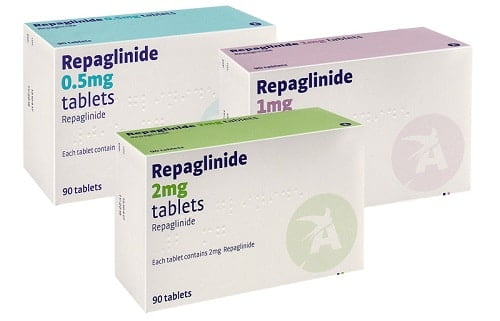
For people with type 2 diabetes, understanding what is repaglinide helps make safer day‑to‑day decisions. This short-acting oral medicine triggers the pancreas to release insulin around meals. It can reduce post-meal glucose spikes and complement lifestyle measures. The following guide explains uses, dosing with meals, safety considerations, and how it fits among other therapies.
Key Takeaways
- Meal-time agent: Taken before meals to curb post-meal glucose rises.
- Short-acting profile: Flexible around skipped or small meals.
- Main risks: Hypoglycemia and weight gain with higher exposure.
- Dosing basics: Start low, adjust gradually based on patterns.
- Interactions matter: Gemfibrozil and certain inhibitors raise levels.
What Is Repaglinide? Indications and Mechanism
Repaglinide is an insulin secretagogue (insulin-releasing agent) used for adults with type 2 diabetes when diet and activity alone are not enough. It targets mealtime glucose elevations. In clinical terms, it belongs to the meglitinide class and binds beta‑cell potassium channels to trigger rapid insulin release. This quick action matches well with pre-meal use and varied eating schedules.
In practice, therapy may start as monotherapy or alongside metformin when both fasting and post‑meal targets need attention. If you want a deeper dive into use cases and combination strategies, see Repaglinide Uses for context on when clinicians consider it.
Authoritative labeling outlines indications, dosing limits, and interaction risks. For a concise regulatory summary, review the FDA label, which details contraindications and pharmacology. Patient‑oriented information from MedlinePlus also summarizes safety points in plain language.
Side Effects and Safety Profile
The most important risk is hypoglycemia (low blood sugar), especially with missed meals, higher doses, or drug interactions. Symptoms can include shakiness, sweating, headache, or confusion. Weight change can occur over time, and some individuals report mild gastrointestinal discomfort or headache. Hypersensitivity reactions are uncommon but possible.
Serious risks increase when exposure rises through interacting drugs. Gemfibrozil markedly elevates repaglinide levels; most labels advise avoiding the combination to reduce severe hypoglycemia risk. Liver disease may also increase exposure, warranting extra caution. To compare adverse event patterns with nearby options, the overview at Repaglinide Side Effects explains frequency and monitoring considerations.
Guideline recommendations emphasize individualized goals and safety reviews at each visit. The ADA Standards of Care discuss minimizing hypoglycemia while personalizing A1C targets—useful context when interpreting meter or CGM patterns.
Note: Carry a rapid sugar source, and review recognition of low‑glucose symptoms with a healthcare professional.
In this section, we discuss repaglinide side effects to help you recognize and address common reactions early.
Dosage and Administration
Most adults start with a low dose given before main meals, then titrate based on self‑monitoring or CGM trends. Doses are taken within 30 minutes before eating, and the medicine can be dosed with each significant meal. If a meal is skipped, the dose is skipped as well. This meal‑linked approach supports flexible scheduling and reduces lows when you do not eat.
Practical adjustments focus on pre‑meal glucose levels, post‑meal rises, and hypoglycemia patterns. Clinicians often adjust at weekly or bi‑weekly intervals, not daily, to gauge impact. For a deeper numeric framework and titration examples, see Repaglinide Dosage for typical ranges and step‑ups used in practice.
This section establishes a foundation for individualized changes, centering on a cautious repaglinide dose approach that respects meal timing and glucose variability.
Timing, Meals, and Frequency
Repaglinide’s short action fits well with variable meal patterns. Take it before eating, then skip it when you skip the meal. Some people eat three meals; others include snacks or smaller meals. Align doses with “meaningful” carbohydrate intake rather than minor snacks that have minimal impact on glucose.
Monitoring helps refine frequency. If post‑breakfast spikes persist, earlier pre‑meal timing or gradual dose changes may help. Conversely, if afternoon activity lowers readings, a smaller lunch dose or delaying a snack can be discussed with a professional. For background on related oral options and how timing differs by class, the primer at Oral Diabetes Medications outlines durations and mechanisms across common agents.
This section highlights repaglinide when to take so dosing aligns with your real‑world meal schedule.
Drug Class and Comparisons
Repaglinide is a meglitinide, sometimes called a “rapid secretagogue.” It is not a sulfonylurea, though both classes stimulate insulin release. The faster onset and shorter duration distinguish meglitinides from most sulfonylureas, giving more flexibility around skipped meals. Clinicians may consider it when post‑meal spikes dominate.
Comparisons with other classes often guide combination therapy. Adding metformin can target fasting and hepatic glucose output; see Glumetza for an extended‑release metformin option discussed in the context of gastrointestinal tolerability. Some patients transition to SGLT2 inhibitors when cardiovascular or renal benefits are prioritized; the product page for Dapagliflozin provides class examples for those outcomes‑oriented decisions.
For a broader class map of rapid secretagogues, refer to Meglitinides Drugs, which situates repaglinide among related therapies and explains typical clinical scenarios.
Here, we clarify repaglinide class so readers do not confuse it with sulfonylureas.
Pharmacokinetics and Duration
Repaglinide is absorbed quickly, with a rapid rise and short plasma half‑life of roughly one hour. Hepatic metabolism (CYP2C8 and CYP3A4) clears the drug primarily via bile. Because of this profile, effects are brief and mostly confined to the meal period. This short action explains the need for dosing before each substantial meal.
Drug interactions can significantly raise exposure. Gemfibrozil is a well‑documented example, and several potent CYP inhibitors require caution or avoidance. Labeling also warns about cyclosporine and the need to coordinate with prescribers. For a patient‑friendly gloss on drug timing and clearance, see Diabetes Medications to compare how long other agents act.
Readers often ask how long does repaglinide stay in your system; the clinically relevant effect is short, aligning with the meal it precedes.
Special Populations and Organ Function
Because repaglinide is hepatically cleared, renal impairment has a smaller effect on exposure than many renally cleared agents. That said, severe kidney disease can alter glycemic variability and concomitant medications, requiring careful review. Severe hepatic impairment increases exposure and can heighten risk for prolonged hypoglycemia; clinicians usually take a cautious approach or choose alternatives.
Patients with chronic kidney disease may still use this agent with individualized supervision. The nephrology and endocrinology teams often coordinate therapy, especially when other medications affect appetite or renal function. For a renal‑focused overview of adjunctive therapies that may also be in the regimen, see Kerendia for information related to cardiorenal risk modification contexts.
When discussing repaglinide dose in ckd, clinicians balance glycemic goals, hypoglycemia risk, and meal patterns rather than applying a single fixed schedule.
Maximum Dose and Titration
Titration aims to reduce post‑meal spikes while avoiding lows. Doses are typically increased stepwise after reviewing meter or CGM data over several days. Many protocols cap per‑meal dosing and set a maximum daily limit, with exposure further shaped by drug interactions and hepatic function. Patterns, not single readings, should drive decisions.
Maximums vary across markets and labels; professionals reference local product information before finalizing plans. Readers who want precise numerical ceilings and per‑meal caps can review the structured discussion in Exploring Repaglinide (Prandin), which outlines typical strategies used in clinics.
When considering a repaglinide max dose, clinicians also account for recent hypoglycemia, changes in diet, and interacting drugs.
Practical Use Scenarios and Counseling
Skipped meal: Skip the dose and monitor later. Larger meal than usual: Consider discussing whether a higher pre‑meal dose is appropriate before future similar meals. Acute illness: Greater variability may warrant closer monitoring and conservative dosing. New interacting medication: Re‑evaluate exposure and low‑glucose risk.
Therapy comparisons support shared decision‑making. For those combining with metformin, Invokamet provides an example of pairing metformin with an SGLT2 inhibitor when additional benefits are prioritized. If broader treatment overviews help frame next steps, review Diabetes Treatment for pathway‑level choices and Type 2 Side Effects to anticipate class‑specific reactions.
Brand and generic availability vary by region and time. Repaglinide is the generic name; some brand versions have changed over time. The product page for Repaglinide can help you identify available strengths and formulation details, while Insulin Secretagogues explains where short‑acting secretagogues fit in therapy.
Tip: Keep a medication list with doses, meal timing notes, and recent changes to expedite clinical reviews.
Recap
Repaglinide is a short‑acting insulin secretagogue designed for mealtime glucose control. It works quickly, supports flexible dosing around meals, and requires careful attention to hypoglycemia and interactions. Combine consistent meal timing, glucose monitoring, and regular professional reviews to keep therapy aligned with goals.
This content is for informational purposes only and is not a substitute for professional medical advice.