
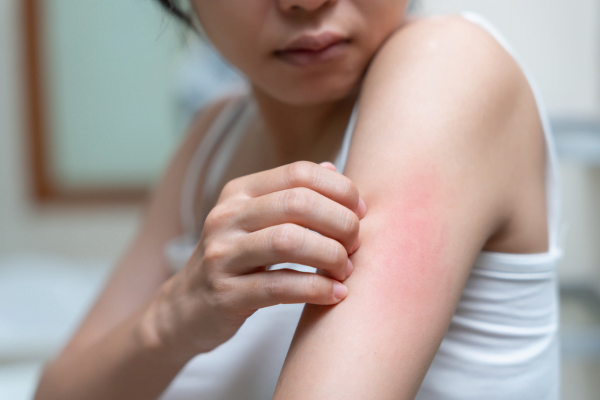
Skin often reflects what is happening inside the body. With diabetes and skin changes, glucose swings can dry, inflame, or infect the surface. High sugar impairs immune function and blood flow, which strains your skin’s barrier. This guide explains why changes happen and what you can do next. It uses clinical terms and plain-language explanations to keep it practical and safe.
Key Takeaways
- Early signals: dryness, itching, darker patches, and slow-healing cuts.
- Core drivers: high glucose, nerve injury, and microvascular changes.
- Action steps: moisturize, inspect daily, and treat infections early.
- When to escalate: spreading redness, fever, or nonhealing wounds.
Why Diabetes Changes Your Skin
High blood glucose increases advanced glycation end-products, which stiffen collagen and reduce elasticity. Microangiopathy (small vessel damage) limits nutrient delivery, and neuropathy dulls pain, so small injuries go unnoticed. The immune system also weakens, giving bacteria and fungi more opportunity to colonize the skin. Together, these processes lower resilience and slow repair.
Understanding the mechanism clarifies why routine care matters. A steady skincare routine and better glucose control help reduce Diabetes Skin Problems by supporting barrier function. Authoritative groups describe similar patterns, including dryness, infections, and pigment changes. For an overview of skin complications, see the American Diabetes Association’s resource on skin changes from a trusted source.
Diabetes and Skin: Common Signs and Conditions
Common findings include dryness (xerosis), itch (pruritus), and thickened or darkened patches. Some people notice acanthosis nigricans, which looks like velvety, darker skin in skin folds. Small, round, brown shin spots point to diabetic dermopathy, often mistaken for scars or age spots. These signs reflect microvascular injury and subtle inflammation.
Look also for cracking heels, fragile nails, and calluses from pressure. Reduced sensation may hide injuries until infection develops. If you see persistent shin spots, review this focused explainer on Diabetic Dermopathy for pattern recognition. Document changes with clear photos, especially if you are adjusting footwear or topical care. That record helps clinicians track response over time.
Fungal, Yeast, and Bacterial Infections
Warm, moist folds allow fungi and bacteria to thrive. Athlete’s foot, jock itch, and ringworm are common. Candidal intertrigo can cause bright red, itchy rashes with satellite dots in skin folds. The risk rises with glucose spikes and sweat trapping. This section focuses on early recognition and safe first steps.
Recognize scaling between toes, groin redness, and circular rashes with clear borders. Treat promptly to avoid spread and secondary cellulitis. Many patients experience diabetes and fungal infections during hot seasons or after exercise, when moisture lingers. For patterns and treatment pointers, review our Fungal Infections Guide with practical examples. The CDC outlines candida features and recurrence factors; see their candidiasis overview for background details.
Antifungal options vary. Topicals like Terbinafine are often used for dermatophyte infections; it helps clear scaling when used consistently. Azoles such as Ketoconazole are also used for tinea and some yeast overgrowth. Choose breathable fabrics, change damp clothes quickly, and dry between toes carefully. These steps reduce relapse risk and limit skin barrier breakdown.
Slow Healing and Foot Complications
High glucose impairs leukocyte function and collagen crosslinking, slowing tissue repair. Reduced blood flow worsens nutrient delivery, which complicates closure of even minor cuts. Neuropathy reduces protective pain feedback, so pressure injuries form silently. This combination explains the burden of diabetic foot disease.
Address diabetes and wound healing with prevention first: daily foot checks, moisturizers on dry skin (not between toes), and well-fitted shoes. If you see new redness, warmth, or drainage, escalate care quickly. Review ulcer red flags and staging basics in Diabetic Foot Ulcers for structured warning signs. For team-based support, learn roles and referrals in What Is a Podiatrist. The ADA provides foot care fundamentals; consider their guidance on daily inspection and footwear for evidence-based tips.
Oral Health and Breath
Gum tissue mirrors systemic inflammation. High sugar fosters plaque growth and dries oral surfaces, which strains saliva’s protective roles. People may notice bleeding gums, receding margins, or loose teeth. Dry mouth can also worsen ulcers and change taste. These signs deserve attention alongside skin checks.
Coordinate dental cleanings with glucose reviews to track patterns. Diabetes and Oral Health overlaps with periodontal disease and halitosis risk. If breath turns fruity, check glucose promptly because ketones may be rising. For broader disease education and self-care tools, see our curated Diabetes Articles to reinforce prevention habits and monitoring routines. The National Institute of Dental and Craniofacial Research outlines diabetes-related gum disease basics; review their overview for clinical context.
Hair, Sweat, and Body Art
Hair and sweat respond to hormonal shifts and vascular changes. Some people report thinning on the scalp or delayed regrowth after shedding. Others notice reduced sweating on the feet with compensatory sweating elsewhere. Tattoos and piercings also heal more slowly, which raises infection risk.
Evaluate diffuse shedding, scalp flaking, and iron or thyroid status during review of diabetes and hair loss. Adjust hair care to minimize traction and harsh treatments while you address metabolic drivers. If you pursue tattoos, pick licensed studios, plan for longer healing, and monitor closely for redness or discharge. For skin-care routines by diagnosis and season, browse our Dermatology Articles to tailor moisturizers, cleansers, and barrier-support steps.
Swelling, Hydration, and Hormones
Fluid balance and circulation shape skin tone and comfort. Heat, salt, and prolonged standing can swell ankles, while neuropathy masks discomfort. Sudden asymmetry, calf pain, or shiny, tense skin warrants prompt evaluation. Persistent swelling also raises skin stretch and blister risk.
Watch for diabetes swollen feet, especially with existing neuropathy or foot deformity. Hydration helps, but avoid sudden high fluid loads if heart or kidney disease is present. Hormonal conditions, including thyroid disorders, can shift hair texture, dryness, and temperature tolerance. The National Institute of Diabetes and Digestive and Kidney Diseases explains peripheral artery disease in people with diabetes; see their overview for circulation insights.
Self-Check Routine You Can Keep
Establish a weekly skin scan. Start at the scalp and move down, using a mirror for back and heel views. Note any color change, flaking, or tender spots. Photograph wounds every few days to track size and drainage. Pair this routine with shoe checks and sock changes. Replace worn insoles, and choose seamless socks to prevent friction lines on toes and heels.
Tip: After showers, apply fragrance-free moisturizer within three minutes to lock in water. This quick step supports barrier lipids and reduces itch, which helps you avoid scratching that can break the skin.
Recap
Skin signals often arrive before larger complications. Dryness, rashes, or nonhealing cuts are clues worth investigating. A steady routine—cleansing, moisturizing, and daily checks—helps detect problems early. Timely treatment of infections and pressure spots prevents bigger setbacks. Keep photos and symptom notes, then share patterns during visits.
Use internal tools, like our focused articles and condition explainers, to refine your plan. When signs escalate—rapidly spreading redness, fever, or new numbness—seek in-person assessment. This approach supports safer healing and steadier comfort, even when glucose control remains a work in progress.
Note: Do not self-start or stop any prescription without clinical guidance, especially if wounds, ulcers, or spreading infections are present.
This content is for informational purposes only and is not a substitute for professional medical advice.


