Key Takeaways
- Early signs are subtle and progress quickly.
- Fast home action can stabilize mild episodes.
- Seizures or collapse need emergency care.
- Consistent dosing, diet, and monitoring prevent recurrence.
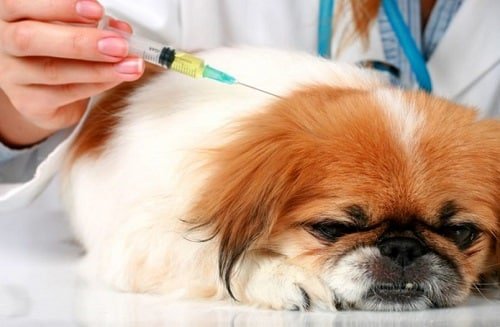
Recognizing symptoms of insulin overdose in dogs helps you act fast and reduce harm. Hypoglycemia (low blood sugar) affects the brain first, so changes in behavior and coordination often appear early. Quick, calm steps at home can help with mild events. However, severe or persistent signs require veterinary care without delay.
After stabilization, review dosing routines, feeding times, and insulin handling. Many overdoses stem from human factors, like double-dosing or misreading syringes. Planning ahead lowers risk and protects your dog’s long-term health. Use a simple checklist for injections, meals, and monitoring.
What Is Insulin Overdose and Why It Happens
Insulin overdose means more insulin was given than the body needs at that time. Excess insulin drives glucose into cells, dropping blood sugar and depriving the brain of fuel. This can result from dose errors, duplicate injections, changes in appetite, unexpected exercise, or switching insulin types without guidance. Insulin potency issues from improper storage may also cause unpredictable effects.
Common owner errors include using the wrong syringe concentration, mixing up pets in multi-pet homes, or repeating a dose due to uncertainty. Clarifying routines prevents many pitfalls. For practical safeguards against dosing slips, see Prevent Dosage Mistakes for step-by-step checks you can adopt today. Broader wellness topics that affect glucose balance are covered in our Pet Health category for quick reference.
Medical conditions can contribute, too. Liver disease, sepsis, or pancreatic tumors can lower glucose needs unexpectedly. Exposure to certain toxins that cause hypoglycemia in dogs, like xylitol, may also trigger sudden drops. If episodes occur despite stable dosing, your veterinarian may investigate underlying causes.
Symptoms of Insulin Overdose in Dogs
Signs often start mild, then progress as glucose continues to fall. Early changes include restlessness, hunger, trembling, or unusual vocalization. As the brain is deprived of glucose, dogs may stagger, seem confused, or fail to respond normally. Untreated episodes can progress to seizures and loss of consciousness.
Not every dog shows the same pattern, and signs can wax and wane. Monitor behavior closely for 12–24 hours after a suspected overdose. For a structured overview of clinical features and timelines, see Hypoglycemia in Dogs for a deeper symptom list and context. Record details like timing, meals, dose given, activity, and any vomiting to aid your veterinarian’s assessment.
Early vs. Advanced Signs
Early signs reflect the body’s response to falling glucose: anxiety, shivering, wide pupils, or sudden hunger. Dogs may seek food, pace, or hide. As neuroglycopenia (brain glucose deprivation) worsens, coordination declines, and dogs can appear drunk or disoriented. Pupils may dilate, and heart rate can change. Advanced stages bring severe lethargy, collapse, or seizures. Intervening early usually means simpler care at home; waiting increases risk and may require hospital treatment.
Immediate First Aid at Home
If your dog is awake, able to swallow, and showing mild signs, offer a small, regular meal to stabilize glucose. If appetite is poor, rub a thin film of corn syrup or honey on the gums and recheck behavior every 15 minutes. Do not force food or fluids in a dog that cannot swallow. Keep your dog warm and in a quiet, safe space while you arrange veterinary advice.
Having a fast sugar source on hand can help during mild events. For example, oral gels or liquids provide rapid carbohydrates; see Dextrose for a readily available option you can discuss with your veterinarian. For clinical definitions and emergency steps, the Merck Veterinary Manual offers clear guidance on recognition and stabilization.
Tip: If you gave insulin recently and hypoglycemia develops, do not give more insulin. Contact your veterinarian or an emergency clinic for next steps after initial stabilization at home.
This is how to treat low blood sugar in dogs at home during early, mild episodes only. Severe, persistent, or recurrent signs need professional support. If you are unsure whether your dog can swallow safely, treat this as an emergency and avoid oral products until a clinician advises you.
When to Seek Emergency Care
Go to an emergency clinic if your dog is unconscious, vomiting repeatedly, or cannot stand. A dog hypoglycemia seizure, new-onset blindness, or collapse requires immediate evaluation. Persistent signs despite oral sugar or a quick relapse after brief improvement also signal danger. Time matters because very low glucose can injure the brain.
Seek help sooner if your dog has other illnesses, is very young or very small, or recently changed insulin type. The AAHA diabetes guidelines outline situations where home care is insufficient and hospital monitoring is recommended. For practical planning support, see Pet Diabetes Support for tools and services that help coordinate ongoing care.
Veterinary Treatment and Hospital Care
In clinic, teams confirm low glucose with testing and begin dextrose supplementation by mouth or intravenous route, depending on severity. They monitor heart rate, blood pressure, temperature, and electrolytes. Glucose is tracked frequently to avoid a rebound swing. If a dispensing or dosing error is suspected, staff will help you review technique to prevent recurrence.
Dog hypoglycemia treatment may include supportive warming, anti-nausea medication, and careful feeding plans once stable. If underlying disease is suspected, additional bloodwork or imaging may be recommended. For background on insulin options commonly used in canine diabetes, see Humulin N for Dogs for formulation basics and care considerations.
Monitoring and Prevention: Dosing, Diet, and Tools
Consistent routines reduce risk. Feed measured meals on time, and give insulin after confirming your dog has eaten, unless your veterinarian directs otherwise. Keep written logs to avoid double-dosing on busy days. If appetite is reduced, call your clinic before injecting. Exercise increases glucose use, so plan activity consistently and monitor for behavior changes afterward.
Home glucose checks help you learn how to test for low blood sugar in dogs using a handheld glucometer or continuous sensors. Your clinic can guide proper technique and timing. For device options, features, and storage details, see Insulin Cartridges for formulation differences that affect monitoring cadence. If your veterinarian recommends longer-acting insulins, review handling essentials in Lantus Vial for stability insights you can compare to your current product.
Note: Online insulin calculators for dogs can oversimplify dosing and overlook clinical variables. Always confirm changes with your veterinarian before adjusting dose, timing, or insulin type.
Dosing Questions and Risk Thresholds
Owners often ask what is a dangerous blood sugar level for a dog. While individual targets vary, many clinicians treat values under roughly 60 mg/dL (3.3 mmol/L) as concerning, especially with symptoms. Context matters: trend direction, recent meals, and clinical signs all inform decisions. Confirm readings with a second test if results do not match your dog’s behavior.
Normal ranges depend on meter type and timing relative to meals and injections. Your veterinarian will set safe goals and interpret curves from the clinic or home. If you are studying charts or tools, remember that a dog insulin dosage chart or maximum dose by weight is only a starting point. Precision requires patient-specific guidance and ongoing review.
For evidence-based ranges and management principles, the Merck Veterinary Manual summarizes hypoglycemia thresholds and clinical responses across severities.
Underdose vs. Overdose: Telling Them Apart
Some signs overlap, but patterns differ. Classic hyperglycemia shows increased thirst and urination, weight loss despite appetite, and lethargy. Overdose episodes tend to produce shakiness, disorientation, and sudden hunger. Timing helps: hypoglycemia often occurs when insulin action peaks, while underdosing issues persist more steadily across days.
Watch for symptoms of not enough insulin in dogs after missed doses or spoiled insulin. High blood sugar may lead to dehydration, urinary accidents, and infections. Addressing what causes low blood sugar in dogs—like excess insulin, skipped meals, or unexpected exercise—prevents confusing swings between too low and too high. Keep a daily log to spot patterns and share trends with your veterinarian.
Long-Term Outlook and Quality of Life
Most dogs live well with diabetes when routines are stable and monitoring is consistent. Good control reduces complications and emergency visits. If hypoglycemia episodes recur, your veterinarian may reassess insulin type, dose timing, diet composition, or coexisting conditions. Adjusting the plan stepwise helps maintain safety while preserving quality of life.
End-of-life choices are complex and personal. Consider your dog’s comfort, response to treatment, and any severe complications. Discuss realistic goals and supportive care options with your veterinary team as needs evolve. Regular check-ins help align expectations and prevent crises at home.
Recap
Insulin overdose produces low blood sugar that can escalate quickly. Early recognition and prompt home steps help during mild episodes, but seizures, collapse, or persistent signs require urgent care. After stabilization, review dosing routines, meal timing, and storage practices to prevent recurrence.
Use logs, consistent feeding, and periodic glucose checks to increase safety. Collaborate with your veterinarian to set targets, interpret readings, and refine your plan. When you build reliable habits, emergencies become less likely, and your dog can live more comfortably with diabetes.
This content is for informational purposes only and is not a substitute for professional medical advice.