Key Takeaways
- Once-daily timing: take before first meal.
- Prime new needles: confirm a visible insulin drop.
- Rotate sites: abdomen, thigh, or upper arm.
- Room storage: follow labeled temperature limits precisely.
- Never double doses: skip and resume schedule.
This guide simplifies setup, technique, and safety for adults prescribed the Soliqua Solostar Pen. We cover the daily routine, device handling, and precautions to support consistent type 2 diabetes care. You will see what matters most for reliable delivery, comfort, and day-to-day problem solving.
What This Dual-Action Pen Delivers and How It Works
Soliqua combines insulin glargine (a long-acting basal insulin) and lixisenatide (a GLP-1 receptor agonist, or incretin mimetic). Together, they help stabilize fasting blood glucose and reduce post-meal rises. The once-daily schedule fits many routines, especially when coordinated with breakfast. Understanding this dual mechanism helps you anticipate benefits and side effects.
The insulin component provides background coverage across 24 hours. The GLP-1 component can slow gastric emptying and reduce appetite, which may lessen after-meal spikes. For an overview of basal insulin principles and cautions, see Insulin Glargine Uses for additional clinical context. The article offers background on indications and effects.
For prescribing and safety details, review the official U.S. labeling. The FDA prescribing information describes administration timing, storage, and warnings in plain terms (FDA prescribing information). Use this reference when you want authoritative device and safety instructions.
Soliqua Solostar Pen: Daily Timing and Use
Plan your injection within the hour before your first meal of the day. This schedule aligns the GLP-1 component with meal-related glucose rises and supports basal coverage. Keep a steady daily rhythm to reduce variability. Set reminders on your phone or glucose app to build consistency.
Your daily routine should include a quick pre-injection check. Confirm the correct dose in the window, a new needle is attached, and the pen looks intact. If you’re new to injection devices, the Diabetes Tech Guide can help you compare pens and key features for safe handling. That resource gives device basics and why priming and rotation matter.
Priming and Test Flow Before Your First Dose
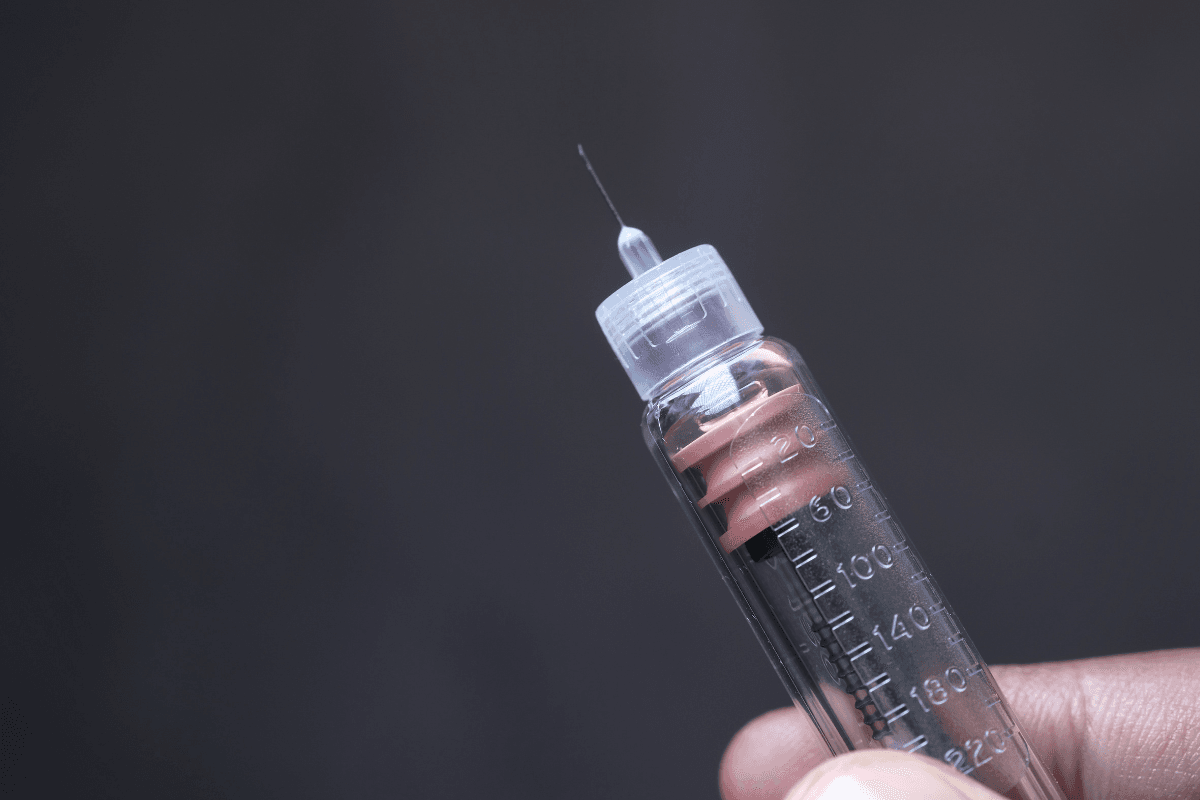
Before injecting, attach a new, compatible pen needle. Remove both caps, hold the pen with the needle up, and gently tap to move air bubbles. Turn the selector to a small test amount, then press the button until you see a steady drop at the needle tip. This confirms flow and reduces air in the system.
If you need a checklist, follow the Soliqua Solostar Pen priming steps exactly as instructed in the user materials. If no drop appears, repeat the test flow with a new needle and recheck attachments. For hands-on pen mechanics, see Lantus Solostar Pens for a similar device flow; this comparison can reinforce the same button-and-dial sequence.
Manufacturer instructions outline the priming volume, initial checks, and safe handling. When you need precise directions, consult the official instructions for use in the product labeling (instructions for use). These steps help ensure the selected dose actually delivers.
Dosing Basics and Titration Goals
Starting dose and adjustments are individualized by your healthcare provider. Typical goals target fasting glucose within a personalized range while limiting side effects. Titration often proceeds in small steps over days or weeks, guided by glucose patterns rather than single readings. Keep a simple log and share it during follow-ups.
For self-management clarity, build a plan that covers temporary changes, like illness or travel. The Soliqua Solostar Pen dosing guide should be followed strictly as advised by your clinician. If your glucose trends drift upward, your clinician may refine timing, technique, or dose. For background on insulin classes and why adjustments vary, see Insulin Types Guide; it explains how different insulins behave.
Injection Sites, Needle Size, and Technique
Use one of three subcutaneous sites: abdomen, thigh, or upper arm. Rotate locations within the same area to reduce lumps and scarring. A steady, 90-degree insertion is usually appropriate; smaller needles may not require a skin pinch. Let the needle remain under the skin for several seconds after pressing the button to complete delivery.
To improve comfort, allow the pen to reach room temperature before injecting. The Soliqua Solostar Pen injection sites must be rotated systematically; keep a simple rotation map on paper or your phone. For deeper technique detail, including rotation to help avoid lipodystrophy, the American Diabetes Association’s general guidance offers practical tips (injection site rotation). For broader context in type 2 management, see Type 2 Diabetes for articles on daily care.
Tip: If you notice stinging or a small bump, switch to a different area at the next dose and avoid injecting into tender or hardened spots.
Storage, Room Temperature, and Travel
Keep unused pens refrigerated within the labeled range and never freeze them. Once in use, many pens can be kept at controlled room temperature for a limited number of days. Follow the Soliqua Solostar Pen storage temperature from the official label precisely. Heat exposure, freezing, or prolonged time above the limit can reduce potency.
When traveling, carry pens and needles in your hand luggage, with a cool pack if needed. Keep original cartons and your prescription label for security checks. For supplies like cases and sharps containers, see Diabetes Products for a simple overview of categories. For specific storage times and thresholds, rely on the FDA-approved labeling, which details handling and in-use timelines (storage and handling).
Note: Never store a pen with a needle attached. This can allow air entry, leakage, or contamination between doses.
Troubleshooting and Safety Precautions
Common issues include a hard-to-press button, no visible drop during test flow, or leaking around the needle. First, replace the needle and ensure both caps were removed. If the dose will not dial, the pen may be at minimum or below the deliverable limit; check the window. Use only one pen at a time to avoid confusion.
Keep a short list of signs that require attention: shaking, sweating, or confusion can suggest hypoglycemia; persistent nausea, vomiting, or abdominal pain may indicate gastrointestinal effects. If you need a structured checklist for device issues, consult Soliqua Solostar Pen troubleshooting in your training materials. For reference on GLP-1 combinations and tolerability, see Xultophy Side Effects to compare typical gastrointestinal patterns and when to seek help.
For a consolidated view of warnings and precautions, the FDA label outlines hypoglycemia risk, potential pancreatitis, dehydration from gastrointestinal losses, and specific contraindications (safety and warnings). Use these sections to prepare questions for your clinician.
Missed Doses and Timing Scenarios
If you forget a dose, skip it when you remember late and return to your usual schedule the next day. Do not take extra to make up for a missed dose. This approach reduces the chance of gastrointestinal effects or hypoglycemia after a double dose. Keep a simple reminder habit, like linking your dose to brewing coffee or first-meal prep.
When travel or shift work alters meal times, prioritize a consistent morning anchor when possible. If changes persist for several days, log readings to share during your next review. For GLP-1–specific considerations, such as nausea on resumption after a gap, see Adlyxin Uses and Side Effects to understand lixisenatide’s clinical profile. If instructions differ from your care plan, follow your clinician’s written guidance. The phrase Soliqua Solostar Pen missed dose in your plan should match these principles.
Dose Display, Units, and Components
The dose window shows units for the fixed-ratio combination. These units do not directly convert to milliliters. Each unit represents a paired amount of insulin glargine and lixisenatide delivered together. This design helps simplify counting and reduces arithmetic errors during titration.
Do not withdraw the solution using a syringe; doing so can damage the pen and distort the intended ratio. Avoid mixing with other insulins or GLP-1 agents. If you need a refresher on how basal insulin fits into therapy choices, review Insulin Types Guide for class comparisons and rationale. When in doubt, confirm the exact dose and timing with your healthcare team and keep notes on your meter or app.
Recap
Use a steady morning routine, prime new needles, rotate sites, and follow labeled storage rules. Log fasting readings and symptoms to support safe titration. Keep a simple troubleshooting plan and escalate concerns when patterns persist. Small, consistent steps build reliability across weeks, supporting safer daily care.
This content is for informational purposes only and is not a substitute for professional medical advice.