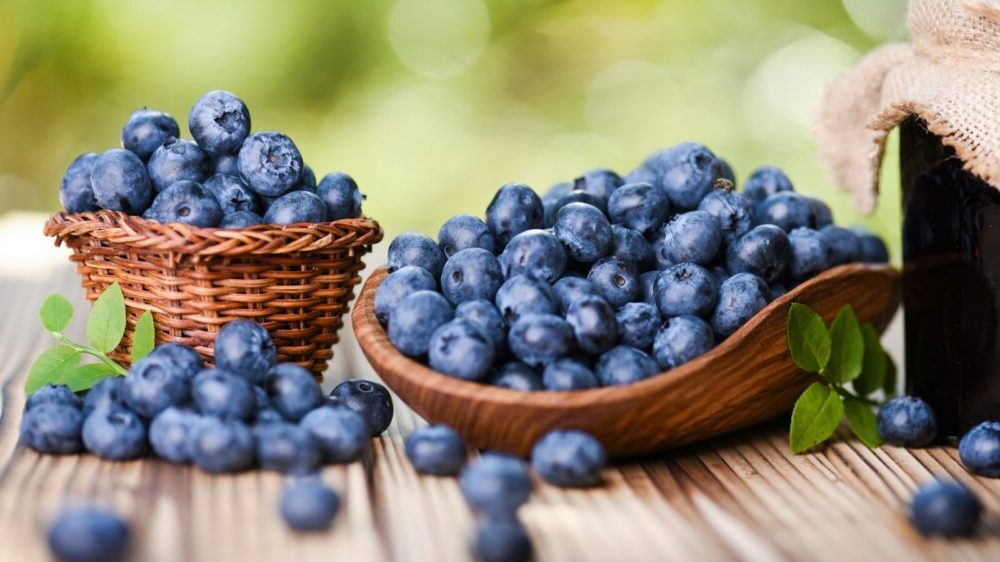
Many people ask, are blueberries good for diabetics. Blueberries offer fiber, micronutrients, and polyphenols that can support glucose control when eaten in measured portions. Their glycemic impact depends on serving size, pairing, and overall dietary pattern.
Below, you will find practical portions, timing tips, and comparisons with other fruits. We also review glycemic index data and safety considerations to help you plan balanced meals.
Key Takeaways
- Moderate portions help control glucose impact.
- Pairing with protein or fat lowers glycemic response.
- Whole berries beat juice for fiber and satiety.
- Compare fruits by GI, sugar, and fiber content.
- Track personal responses with consistent testing.
Are Blueberries Good for Diabetics? Evidence and Context
Whole blueberries contain soluble fiber and anthocyanins (flavonoid pigments) that may support insulin sensitivity and vascular health. Fiber slows carbohydrate absorption, while polyphenols can influence glucose handling and inflammation. These effects are modest and depend on portion size and the meal context.
For mechanistic detail and study highlights, see Blueberries And Diabetes; it expands on pathways and trial summaries relevant to berry intake. Broader polyphenol research is discussed in Polyphenols And Diabetes, which provides context for antioxidant-rich foods.
Major organizations emphasize overall dietary patterns, not single foods. See the American Diabetes Association guidance for balanced eating patterns that can include fruit. Use blueberries as one component within a structured plan.
Glycemic Index and Glycemic Load of Blueberries
Glycemic index (GI) describes how fast a carbohydrate food raises blood glucose. The concept helps compare foods, but it does not replace portion awareness. Glycemic load (GL) combines GI with serving size to estimate the overall effect of a typical portion.
Estimates for blueberries vary by variety and ripeness, but a moderate serving generally yields a low-to-moderate GL. If you track numbers, the practical takeaway is to keep portions consistent and pair blueberries with protein or fat. For fundamentals and calculation examples, see What Is The Glycemic Index for a clear refresher and Low GI Fruits for side-by-side fruit comparisons.
To compare reference values for sugar and fiber, check USDA FoodData Central; it lists nutrient data for raw and processed blueberries.
When people search for blueberries glycemic index, they usually want practical guidance. Focus on the meal’s total carbohydrate content, not just a single food’s GI score.
Sugar, Fiber, and Portion Guidance
A typical 1/2 cup of raw blueberries contains roughly 9–10 grams of net carbohydrates, depending on variety. This portion also delivers dietary fiber that slows absorption and improves satiety. Measure servings to keep carbohydrate counts predictable across meals and days.
If you wonder, are blueberries high in sugar, compare equal volumes with other fruits. Blueberries often fall in the middle range, lower than many tropical fruits yet higher than some melons or berries. Consistency matters more than a single label like “low sugar.” For nutrient specifics, the USDA FoodData Central database remains a reliable reference.
Frozen, Dried, or Fresh? Practical Choices
Frozen and fresh blueberries are nutritionally similar when no sugar is added. Freezing preserves polyphenols and fiber, making frozen berries convenient for smoothies or oatmeal. Always check labels for sweeteners in packaged products.
People often ask, are frozen blueberries good for diabetics. Choose unsweetened options and stick to measured amounts; pair with protein or healthy fats. Dried blueberries are more concentrated in sugar by weight, so smaller portions are necessary. Juice removes fiber, so it can spike glucose more rapidly than intact fruit.
For broader berry benefits and recipe ideas, see Berries for Diabetes; it summarizes why intact berries fit well in glucose-friendly snacks.
Practical Portions and Meal Pairing
Portion size is the most important lever. Many people start with 1/3 to 1/2 cup of blueberries, budgeting the carbohydrates into their meal plan. Keep the rest of the plate anchored by protein and non-starchy vegetables.
If you are counting carbs, measure your berries the same way each time. For satiety and a gentler glucose curve, mix blueberries into Greek yogurt, chia pudding, or a cottage cheese bowl. For satisfying, balanced options, see Healthy Snacks For Diabetics for portionable ideas and Protein Shakes For Diabetics for protein-forward snack templates. Some people prefer fruit at or after a mixed meal rather than on an empty stomach. Consider your schedule if you typically test glucose after breakfast or at bedtime.
When choosing a target serving, people often ask how much blueberries can a diabetic eat. Start conservatively, observe readings for several days, and adjust portions within your plan.
Compare With Other Fruits
Blueberries sit among the more moderate-GL fruits when portioned carefully. Strawberries, raspberries, and blackberries usually deliver slightly fewer carbohydrates per cup and provide similar polyphenols. Tropical fruits and grapes can carry higher sugar per portion, so smaller servings may be needed.
Readers often compare berries directly and ask, are strawberries good for diabetics. Consider the total carbohydrate per serving, fiber content, and your meter’s feedback. For berry-by-berry context, see Blackberries And Diabetes to contrast portions and fiber, and Low GI Fruits for broader comparisons within fruit categories. For a higher-sugar contrast, review Bananas and Diabetes to understand portion strategies.
Five Best and Worst Fruits Snapshot
Any fruit can fit when portions are measured and balanced. Still, some choices are easier to integrate day to day. Use this quick view to guide swaps at the market or in recipes.
| Often Easier Fits | More Challenging Fits |
|---|---|
| Raspberries, blackberries | Grapes, cherries |
| Strawberries | Pineapple, mango |
| Blueberries (measured) | Fruit juice (no fiber) |
| Apples (small) | Dried fruit (concentrated) |
| Oranges (small) | Very ripe bananas |
If you want a broader strategy, see Fruit Benefits for Diabetes; it outlines how to include fruit without losing glycemic stability. When people search for 5 worst fruits to eat for diabetics, they are usually aiming to prioritize lower-GL options and to adjust portions of higher-sugar fruits, not to eliminate fruit entirely.
Blueberries and Type 2 Diabetes Biomarkers
Research suggests that anthocyanin-rich berries may help improve cardiometabolic markers, including insulin sensitivity and lipid profiles, in certain populations. Effects vary across studies and depend on dose, duration, and background diet. Whole-fruit patterns consistently outperform juice, thanks to fiber and volume.
For a review of anthocyanin physiology and study methodology, see the Harvard overview of glycemic responses to understand how carbohydrates affect post-meal glucose. When evaluating blueberries and diabetes type 2, focus on repeated self-monitoring rather than single readings, and consider the entire meal pattern.
Risks, Interactions, and Practical Cautions
Whole blueberries are safe for most people. However, concentrated forms like juices or sweetened dried berries may raise glucose quickly due to low fiber and higher sugar density. Test your response after new products or recipes to avoid surprises.
People using mealtime insulin may need to count berry carbohydrates alongside starches and dairy. Discuss individualized carbohydrate targets with your clinician. If you use rapid-acting insulin, product-specific education is essential; for background on human insulin options, see Humulin R Vial for labeled formulations and clinical context. For everyday planning, the broader Food For Diabetics guide explains how to balance fruit with proteins, fats, and fiber-rich vegetables.
Some people report digestive discomfort if they quickly increase fiber. Add berries gradually and drink water. Allergic reactions are rare but possible; discontinue use and seek care if symptoms occur.
Recap
Blueberries can fit a diabetes-friendly eating pattern when portioned and paired thoughtfully. Prioritize whole berries over juice, measure servings, and watch your personal readings. Compare fruits by carbohydrate density and fiber, and adjust portions accordingly.
Use internal consistency—same serving sizes, testing times, and pairings—to learn how blueberries behave in your plan. Over time, integrate your findings with your clinician’s guidance and trusted nutrition resources.
This content is for informational purposes only and is not a substitute for professional medical advice.