
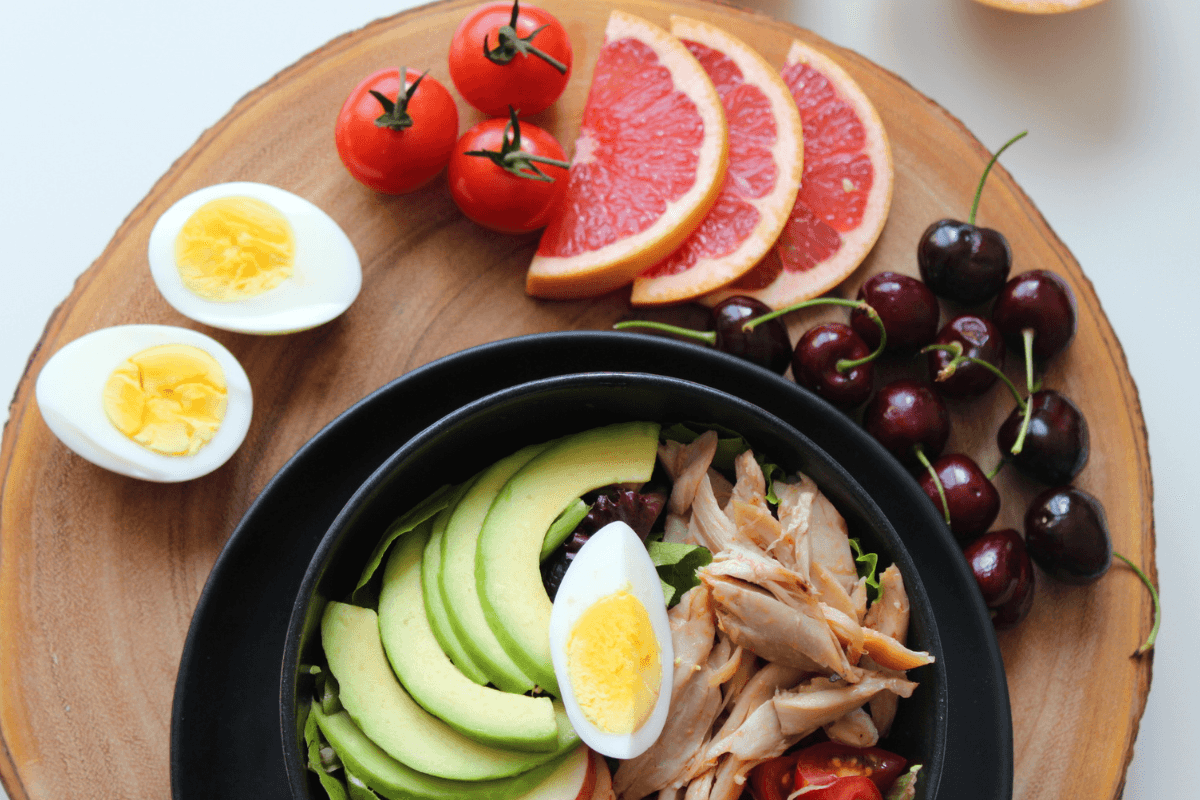
Many people look to superfoods for weight loss to support healthier eating and steadier energy. The term is informal, but the idea is simple. Choose nutrient-dense foods that deliver fiber, protein, and beneficial compounds per calorie. This approach can help you feel satisfied, maintain a calorie deficit, and protect overall health.
Below, you will find clear criteria, a practical food list, and simple meals. We also address common claims about beverages, cinnamon, and so-called belly fat fixes. Use this as a neutral guide alongside your clinician’s advice.
Key Takeaways
- Nutrient density matters: more fiber and protein per calorie.
- Whole foods beat extracts and powders for overall benefit.
- Hydration, sleep, and activity amplify dietary changes.
- Spot-reduction claims lack evidence; aim for consistency.
What Are “Superfoods” and What Does the Evidence Say?
“Superfood” is a marketing term, not a clinical category. Still, many foods commonly labeled this way share useful traits. They have high micronutrient density, substantial fiber or protein, and often polyphenols or unsaturated fats. These properties can support satiety, glycemic stability, and cardiometabolic health when combined with overall calorie control.
Think of blueberries, leafy greens, legumes, oats, nuts, seeds, yogurt, and salmon. The mechanisms differ, but the direction is consistent: fewer empty calories and more fullness-promoting nutrients. If your goal includes abdominal reduction, remember total energy balance drives fat loss across the body. Claims about superfoods to lose belly fat oversimplify biology; prioritize pattern and sustainability over quick fixes.
For broader plant-forward patterns that improve metabolic health, see Green Prescription for context on meal composition. For additional strategy articles, the Weight Management category organizes evidence-based guidance by topic.
How Superfoods Help With Weight Control
Weight change depends on sustained energy balance. Nutrient-dense foods help because they lower calorie density (fewer calories per gram) and raise satiety. Fiber slows gastric emptying and improves fullness signals. Protein increases satiety hormones and helps preserve lean mass during weight reduction. These effects can make it easier to maintain a modest calorie deficit without feeling deprived.
Research-backed eating patterns emphasize fruits, vegetables, legumes, whole grains, lean proteins, and healthy fats. These choices often overlap with everyday descriptions like best superfoods for weight loss, but the benefit comes from the full pattern, not a single item. For guidance on carbohydrate quality and steady blood sugar, review the Glycemic Index overview, which explains how different carbs affect post-meal glucose. For healthy weight context and ranges, see Understanding BMI for how BMI relates to overall risk.
For dietary principles supporting weight management, the U.S. Dietary Guidelines recommend nutrient-dense foods and appropriate portions, and CDC guidance outlines practical steps to balance intake and activity.
Superfoods for Weight Loss
Here is a practical, nutrient-forward view. These foods deliver a high satiety return per calorie, or unique metabolic advantages, when used in a balanced diet. Rotate across categories to cover fiber types, essential fats, and micronutrients. Prep methods that limit added sugars and refined fats preserve their benefits.
- Berries: Low energy density, high fiber, rich in polyphenols; add to breakfast or snacks. For a deeper dive on berries’ benefits in glucose control, see Why Berries Are Superfoods for how they fit into metabolic health.
- Leafy greens: Very low calorie, high volume; ideal base for meals.
- Legumes: Beans, peas, and lentils deliver fiber and plant protein; great for satiety. Explore details in The Legume Advantage for preparation methods and nutrition benefits.
- Oats and whole grains: Beta-glucan fiber and steady energy; choose minimally processed forms.
- Yogurt (unsweetened): Protein plus calcium; supports snacks and light meals.
- Nuts and seeds: Unsaturated fats and fiber; small portions add lasting fullness.
- Eggs and fish: High-quality protein; fish adds omega-3s for cardiometabolic support.
Note: No single food “burns” fat. Their role is to help you feel satisfied and maintain consistent habits.
Five High-Impact Picks You Can Use Today
If you want a focused start, build meals around five reliable staples: legumes, oats, berries, leafy greens, and unsweetened yogurt. Each brings fiber, protein, or both, and integrates easily with daily eating. Across a week, repeat them in different combinations to simplify planning while keeping variety.
Many guides highlight 5 superfoods for weight loss, but your goal is creating repeatable patterns with these foods. Try these simple applications:
- Breakfast: Oats with yogurt and berries; add chia for extra fiber.
- Lunch: Big leafy salad with chickpeas, egg, and olive oil vinaigrette.
- Dinner: Lentil and vegetable stew; side of steamed greens.
- Snack: A small handful of almonds or pumpkin seeds.
When fruit is central to your plan, see Benefits of Fruit for portions and pairing ideas that support stable glucose.
Drinks, Cinnamon, and Common Claims
Hydration supports appetite regulation and performance. Plain water, sparkling water, unsweetened tea, and black coffee can help you manage calories. You may see headlines about what to drink to lose belly fat in 1 week, but local fat reduction does not occur. Instead, rely on calorie-free or low-calorie beverages, and keep added sugars minimal. This change improves overall energy balance across days and weeks.
Cinnamon is aromatic and versatile. You can sprinkle it on oats or yogurt, or brew cinnamon tea for flavor without sugar. Evidence for rapid weight change from cinnamon alone is limited. Laboratory and small clinical studies show mixed glycemic effects, and quality varies across supplements. For a balanced overview of potential benefits and safety, consult the NCCIH cinnamon resource before using concentrated products.
For sweetness strategies that keep calories in check, see Healthiest Sweetener for comparative guidance. If you use carbohydrate timing to support training or medication needs, revisit the Glycemic Index article for context on fast versus slow carbs.
Smart Prep and Simple Superfood Recipes
Planning and batch cooking make healthy choices automatic on busy days. Keep a base of cooked grains and legumes, washed greens, and pre-portioned proteins. Then assemble fast meals with minimal decisions. This is where superfood recipes shine: simple, repeatable, and built from whole ingredients.
Two quick ideas:
- Berry-Oat Power Bowl: Cook oats; top with unsweetened yogurt, mixed berries, cinnamon, and walnuts. Balance with a boiled egg if you need extra protein.
- Greens and Lentil Skillet: Sauté onions, garlic, and greens; fold in cooked lentils and tomatoes; finish with lemon and olive oil. Serve over barley or quinoa.
Tip: Use frozen berries and vegetables to cut cost and waste while preserving nutrition.
For plant-forward structure across your week, the Green Prescription article explains how to build satisfying plates with affordable staples.
Shopping, Budget, and Safety
You do not need specialty powders or exotic imports. Build a practical superfoods list for weight loss from ordinary staples: beans, oats, canned fish, frozen vegetables, seasonal fruit, eggs, and low-fat dairy. Compare unit prices, and choose store brands where quality is equal. Frozen and canned (no-salt or no-sugar added) options preserve nutrients and stretch budgets.
Check labels for added sugars and sodium. If you consider supplements labeled as “superfood” blends, note that doses of active compounds are often unclear. Whole foods provide known nutrients with fiber and balanced absorption. If you use pharmacotherapy for weight, combine dietary work with medical oversight. For prescribing details on GLP-1 therapy, see Wegovy for indications and safety, and Saxenda for additional information on daily dosing protocols.
If weight medications are part of your plan, review GLP-1 Weight Loss Drugs for population trends and mechanisms. Coordinate with your clinician to align nutrition, activity, and treatment goals.
Recap
Nutrient-dense foods help by improving satiety, reducing calorie density, and supporting metabolic health. There is no shortcut, but these patterns are practical and sustainable. Emphasize fiber, lean protein, and minimally processed options, and use simple prep to make follow-through easier. Over time, consistent choices drive outcomes far more than rare, perfect days.
Be skeptical of dramatic claims about fat burning superfoods or one-week transformations. Instead, use commonsense habits you can repeat: hydrate well, prioritize whole foods, and plan meals that fit your routine. Pair this approach with adequate sleep and regular movement for steady progress.
This content is for informational purposes only and is not a substitute for professional medical advice.


