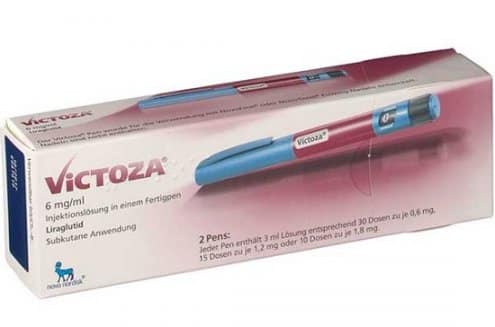
Understanding Victoza uses helps patients and caregivers apply this GLP-1 therapy safely. Victoza (liraglutide) is a prescription injection for type 2 diabetes management. It works alongside nutrition, activity, and other medications to support glycemic control. This guide explains approved indications, administration technique, expected effects, safety considerations, and how it compares with other options.
Key Takeaways
- Approved indications: type 2 diabetes control, plus cardiovascular risk reduction in eligible adults.
- Pen injections are once daily; timing can be flexible when consistent.
- Common reactions are gastrointestinal; serious risks are uncommon but important.
- Diet, adherence, and comorbidities strongly influence outcomes and tolerability.
Victoza Uses: Approved Indications and Mechanisms
Victoza is a GLP-1 receptor agonist (incretin-mimetic) that helps lower blood glucose. Clinically, it enhances glucose-dependent insulin secretion, suppresses glucagon, and slows gastric emptying. These actions can reduce both fasting and post-meal glucose. It is approved as an adjunct to diet and exercise for adults and certain pediatric patients with type 2 diabetes. In adults with established cardiovascular disease, it also reduces the risk of major adverse cardiovascular events.
For a deeper explanation of liraglutide’s actions, see How Victoza Works for mechanism detail and examples. Cardiovascular data are summarized in Cardiovascular Health Insights to understand which patients may benefit. For official indications, warnings, and dosing ranges, review the prescribing information from Novo Nordisk, which outlines approved uses and safety.
Administration, Dosing, and Pen Technique
Victoza is administered once daily using a prefilled pen. Most patients can inject at any time of day, as long as the time is consistent. Your prescriber determines the starting dose and titration plan based on your profile. For stepwise initiation, dose increments, and reminders, see the Victoza Dosing Guide for structured guidance you can discuss with your clinician.
Recommended victoza injection sites include the abdomen, thigh, or upper arm. Rotate sites to reduce irritation and avoid injecting into scar tissue, redness, or hardened areas. Inspect the solution, attach a new needle, prime the pen when directed, and inject subcutaneously. Dispose of needles safely. If you need a quick overview of the pen format and components, the Victoza Pens page summarizes device features for reference.
Tip: Pick a consistent daily window you can maintain on weekdays and weekends. Consistency helps with habit formation and reduces missed doses.
Expected Effects on Weight
Some patients report victoza weight loss, largely due to appetite regulation and slower gastric emptying. However, Victoza is not approved for weight management. Liraglutide at 3 mg (Saxenda) is the weight-management dosing; that is a different indication and product. Individual weight changes vary widely, influenced by diet quality, physical activity, and other medications. Do not change doses to chase weight outcomes without medical advice.
For experiences, benefits, and cautions, see Victoza Weight Loss Journey to understand typical patterns and expectations. If considering higher-dose liraglutide specifically for weight control, review the manufacturer labeling for that indication; the Saxenda prescribing information describes the 3 mg regimen, eligibility, and boxed warnings.
Safety Profile and Common Reactions
Understanding victoza side effects helps patients anticipate and manage mild reactions. Nausea, vomiting, diarrhea, and decreased appetite are common early effects that often lessen over time. Headache, injection-site redness, and fatigue can occur. Patients with significant gastrointestinal symptoms should contact a healthcare professional for evaluation and guidance.
Rare but serious risks include pancreatitis, gallbladder disease, renal impairment, and hypersensitivity reactions. Liraglutide carries a boxed warning about thyroid C-cell tumors based on rodent data; it is contraindicated in patients with personal or family history of medullary thyroid carcinoma or MEN 2. For evidence-based cautions and monitoring strategies, the ADA Standards of Care summarize current recommendations for GLP-1 receptor agonists.
Note: Seek urgent care for severe abdominal pain, persistent vomiting, or signs of allergic reaction such as swelling or trouble breathing.
Diet and Lifestyle Considerations
Gastrointestinal sensitivity is common during early titration. Eat smaller, balanced meals and emphasize lean protein, fiber, and hydration. Limit greasy foods and excess alcohol to reduce nausea risk. Many patients ask about foods to avoid while on victoza; there is no single prohibited list, but patterns matter. Gradual dietary improvements often reduce stomach upset and support glycemic control.
For practical meal patterns, trigger foods, and hydration strategies, see Victoza Foods To Avoid for examples you can adapt to your routine. Consider pairing diet changes with light activity, such as walking after meals, to improve postprandial glucose. Sleep regularity and stress reduction also influence appetite and glucose variability.
Comparing Therapies: GLP-1 Options
Patients often compare victoza vs ozempic because both are GLP-1 receptor agonists. Key differences include dosing frequency, titration steps, and study data for glycemic control and weight outcomes. Semaglutide is once weekly; liraglutide is once daily. Selection depends on individual goals, tolerability, cardiovascular status, and access. Your clinician will weigh these factors against your current regimen and comorbidities.
For a side-by-side overview of dosing and study highlights, see Victoza vs Ozempic Comparison to understand practical trade-offs. If you are exploring non-insulin injectables beyond these two agents, the Injectable Alternatives guide summarizes additional options to discuss with your provider.
Switching Between GLP-1 Therapies
Transitions happen for many reasons, including access, tolerability, or patient preference. When switching from victoza to ozempic, clinicians consider time since last dose, starting strength, and current A1C. A careful plan helps avoid overlapping gastrointestinal effects and hypoglycemia risk, especially if combined with insulin or sulfonylureas. Never adjust doses or schedules without professional guidance.
To understand the broader medication landscape during transitions, see the Diabetes Medications List for categories and common uses. If you have type 2 diabetes and want background material to prepare for your appointment, browse Type 2 Diabetes articles for context on treatment goals and monitoring.
Access, Support, and Cost Considerations
Coverage, copays, and supply availability can affect adherence. If costs are a barrier, talk with your care team and insurer about alternatives, prior authorizations, or patient support programs. Adherence tools such as reminders, pen needle organizers, and simple routines can reduce missed doses and improve consistency over time.
For budget planning and coverage steps, see Manage the Cost of Victoza to navigate common scenarios and resources. If you need a refresher on GLP-1s within non-insulin injectables, review Injectable Alternatives for class comparisons, so discussions with your clinician are more productive.
Troubleshooting Weight Expectations
Many patients ask, “why am i not losing weight on victoza?” Several factors influence weight trends, including overall calorie intake, medication adherence, titration stage, and coexisting conditions such as hypothyroidism, PCOS, or sleep apnea. Certain drugs, like corticosteroids or some antidepressants, can counteract weight changes. Weight expectations should be realistic and focused on health markers, not weekly fluctuations.
Victoza can help reduce appetite, but it is not a dedicated weight-management therapy. Discuss nutrition, physical activity, and sleep with your care team to create a sustainable plan. For broader context on GLP-1 medications and population trends, the piece on GLP-1 Weight Loss Drugs outlines how related therapies are studied for obesity.
Recap
Victoza helps manage type 2 diabetes and can lower cardiovascular risk in eligible adults. Safe use depends on correct injection technique, steady routines, and awareness of adverse effects. Diet, adherence, and comorbidities shape outcomes more than any single factor. Use this guide to frame conversations with your clinician and to plan supportive daily habits.
This content is for informational purposes only and is not a substitute for professional medical advice.